How Indian Developers and Institutional Investors Can Enter Dubai's Land Market in 2026
Indian developers and institutional investors ready to enter Dubai's land market in 2026, Explore freehold plot zones, entry structures and legal frameworks.

Dubai’s property market is entering a more measured phase; one defined less by rapid rent hikes and more by strategic decision-making among residents and investors. While some headlines suggest slowing momentum, the data reveals a stronger narrative: renewal rents continue to rise, tenant movement reflects greater stability, and homeownership is gaining pace as a natural next step for long-term residents.
After two years of steep rent increases, 2025 shows a change in tenant behavior rather than a loss of demand. Many residents are choosing to renew existing leases, making use of Dubai’s rent cap protection and avoiding higher asking rates on new contracts.
Market data supports this: according to ValuStrat, average apartment rents grew 5.6% year-on-year by Q3 2025, while villa rents rose 3.5% - a healthy, sustainable pace after the sharp growth of earlier years. Cushman & Wakefield Core reports higher renewal activity across key districts, particularly in Downtown Dubai, Business Bay, and Dubai Marina.
These figures reflect a stable market. Tenants are staying longer, and landlords enjoy consistent occupancy. For many households, the decision to remain is a deliberate move to preserve affordability and continuity.
The pace of new leases has become more measured, mirroring a market that is finding equilibrium. A growing share of residents are transitioning from renting to owning. Analysts from The National and Gulf News highlight that Dubai recorded more than 59,000 property sales in Q3 2025, valued at Dh170.7 billion, a 20% annual increase. This surge underlines strong confidence among end-users who are converting rental budgets into equity.
With more than 42,000 new homes scheduled for delivery by 2026 (the largest wave since 2017), the rental landscape now offers greater variety and flexibility. Communities such as Jumeirah Village Circle, Dubai South, and Dubai Silicon Oasis continue to attract families and professionals seeking newer homes, greener spaces, and enhanced amenities. The result is a balanced, mature rental environment, where tenants and landlords both benefit from expanded choice.
Villa and townhouse demand remains a cornerstone of the market, now led by lifestyle and community preferences. After doubling post-pandemic, villa rents have reached a natural equilibrium supported by strong end-user demand.
Family-oriented neighborhoods such as The Villa, Living Legends, and Sobha Hartland still post mid-single-digit rent increases, while high-end districts like Nad Al Sheba and Jumeirah have seen annual growth between 20 and 28%. This demonstrates a selective, quality-driven market where residents value space, comfort, and wellness.
As renewal rents rise and mortgage products evolve, homeownership has become a practical and attractive choice for many residents. Data shows that roughly 30% of new mortgage holders in 2025 were former tenants seeking long-term value and stability.
Developers have responded with flexible payment structures—often 20% on booking, 60% during construction, and 20% on handover—making ownership increasingly attainable. Combined with competitive interest rates and streamlined government initiatives, this shift toward buying represents the next stage of Dubai’s housing maturity.
Dubai’s short-stay rental market continues to thrive. According to AirDNA, short-term listings rose 14% year-on-year in 2025, with occupancy averaging around 70%. The city welcomed nearly 10 million visitors in the first half of 2025, sustaining demand for flexible accommodation options.
For investors, this segment offers strong yields, consistent demand, and an expanding supply of professionally managed units. The continued strength of short-term rentals highlights Dubai’s enduring position as a global tourism and business hub.
Dubai’s housing landscape now reflects balance and strength. Renewal rents are rising, ownership is expanding, and short-term rentals remain vibrant. Analysts forecast rent growth in the mid-single digits through 2026; a pace that supports sustainability, investor confidence, and long-term stability.
Developers benefit from rising end-user demand, landlords maintain high occupancy, and tenants enjoy greater flexibility than ever before.
Dubai’s rental market continues to demonstrate resilience and maturity. Renewal strength, ownership growth, and a flourishing tourism sector together form the foundation of this next phase.
For investors and developers, success lies in understanding these shifts and delivering quality, community-focused homes that match evolving resident priorities.
As 2026 approaches, Dubai stands as a model of balance and sustainability, where stability reflects strength and choice defines opportunity.
Dubai’s rental market in 2025 is witnessing balanced growth. Renewal rents are up by 5–6%, villas and apartments maintain high occupancy, and tenant movement reflects stability. Many residents are choosing to renew leases rather than face higher new rental rates.
Yes. According to market data, Dubai apartment rents rose by 5.6% and villa rents by 3.5% year-on-year by Q3 2025. Popular communities like Downtown Dubai, Business Bay, and Jumeirah continue to see moderate rent increases, reflecting a healthy and sustainable rental market.
With flexible developer payment plans (like 20/60/20) and competitive mortgage rates, homeownership has become an attractive option for Dubai residents. Nearly 30% of new mortgage holders in 2025 are former tenants transitioning from renting to owning for long-term stability.
Emerging communities such as Jumeirah Village Circle, Dubai South, and Dubai Silicon Oasis offer excellent rental value, newer properties, and family-friendly amenities. These areas provide affordable options while maintaining strong connectivity to central Dubai.
Dubai’s short-stay rental market continues to thrive, with listings up 14% year-on-year and average occupancy rates near 70%. The surge in tourism—nearly 10 million visitors in H1 2025—drives consistent demand, delivering strong ROI for property investors in Dubai.
Experts forecast steady, mid-single-digit rent growth in Dubai through 2026, supported by 42,000 upcoming residential handovers and a rise in end-user demand. The outlook points toward a mature, balanced market that benefits both landlords and investors.
Indian developers and institutional investors ready to enter Dubai's land market in 2026, Explore freehold plot zones, entry structures and legal frameworks.
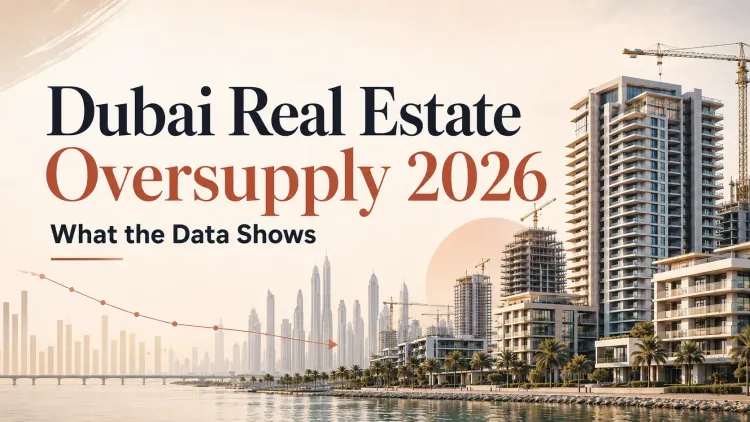
Dubai real estate pipeline data through 2030, understand where supply is concentrated and what it means for your investment strategy.
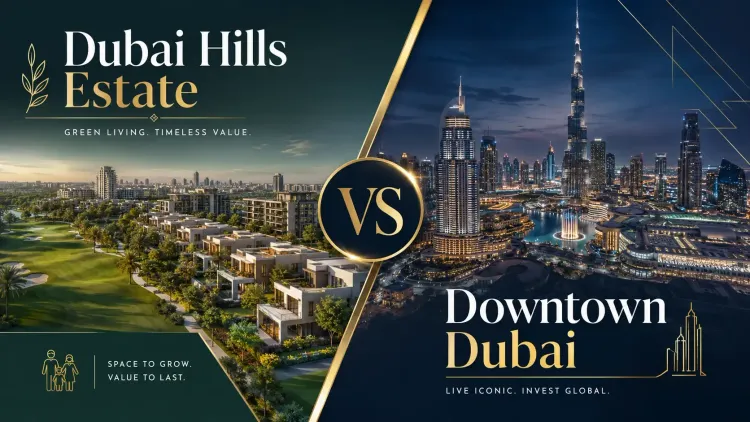
Downtown Dubai vs Dubai Hills Estate in 2026, the capital appreciation data, buyer pool shifts and why one community now wins for first time buyers.