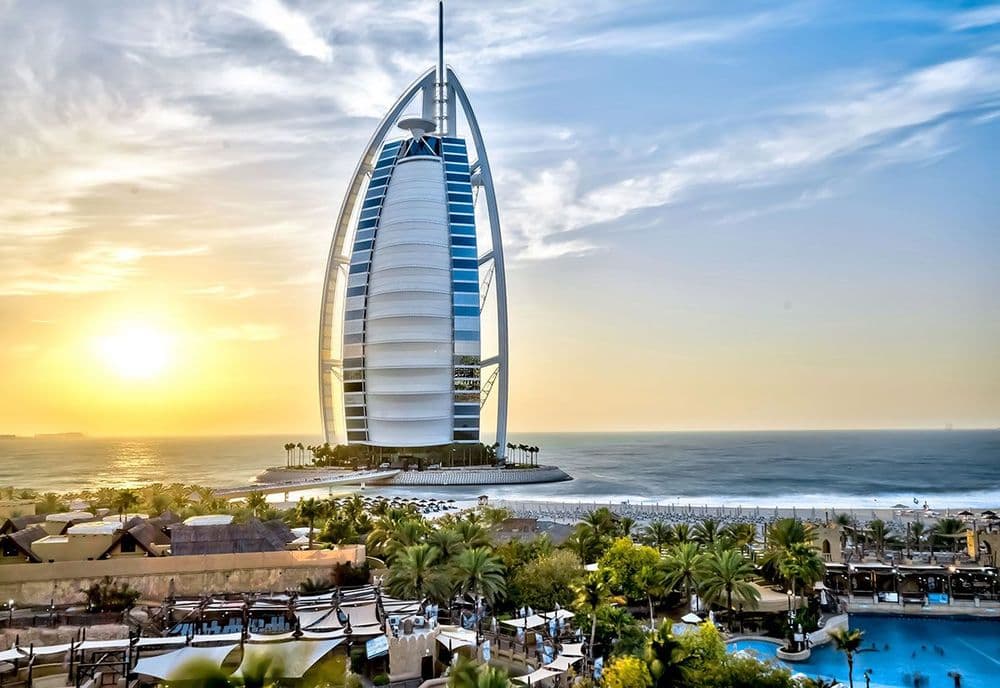
Dubai Tourism Surge 2025: Real Estate Investment Impact

Table of Contents
Dubai has once again demonstrated its prowess as a global tourism powerhouse, welcoming over 9.88 million international overnight visitors in the first half of 2025. This figure represents a 6 percent increase compared to the same period in 2024, underscoring the emirate's unwavering commitment to innovation, sustainability, and world-class hospitality. As announced by His Highness Sheikh Hamdan bin Mohammed bin Rashid Al Maktoum, Crown Prince of Dubai, this milestone aligns seamlessly with Dubai's ambitious vision to secure a position among the world's top three destinations for tourism and business, as outlined in the Dubai Economic Agenda D33.
This surge in visitor numbers is not merely a statistical achievement; it serves as a catalyst for broader economic expansion, particularly within the real estate sector. Enhanced tourism inflows drive demand for accommodations, commercial spaces, and residential properties, creating fertile ground for investors seeking sustainable returns. In this publication, we explore how this tourism boom is reshaping Dubai's real estate landscape, highlighting key drivers, regional impacts, and strategic investment opportunities.
Alignment with Strategic Objectives
Dubai's tourism sector has exhibited remarkable resilience and growth post-pandemic, with the first half of 2025 marking a new pinnacle. The 9.88 million visitors reflect a diversified appeal, drawing individuals from across the globe for leisure, business, and cultural experiences. This performance is bolstered by robust public-private partnerships, innovative marketing campaigns, and infrastructure enhancements that position Dubai as a premier hub.
From a real estate perspective, this influx translates into heightened occupancy rates and rental yields. Investors are increasingly recognizing the symbiotic relationship between tourism and property values, where increased footfall elevates the desirability of locations near attractions, hotels, and business districts.
Primary Factors Driving Tourism Growth and Real Estate Integration
Several factors have contributed to this impressive growth, each with direct implications for real estate investment:
-
Global Marketing and Diversification: Dubai's targeted campaigns have expanded its reach, attracting visitors from Western Europe (22 percent), the GCC and MENA regions (26 percent), and other key markets. This diversity ensures stable demand, benefiting real estate in multicultural hubs like Downtown Dubai and Dubai Marina.
-
Infrastructure and Connectivity: Ongoing developments, including expansions in transportation and attractions, enhance accessibility, thereby boosting property values in connected areas.
-
Sustainability and Innovation: Initiatives emphasizing eco-friendly practices appeal to modern travelers, encouraging investments in green-certified properties that command premium rents.
These elements collectively foster an environment where real estate appreciates, with tourism acting as a reliable economic multiplier.
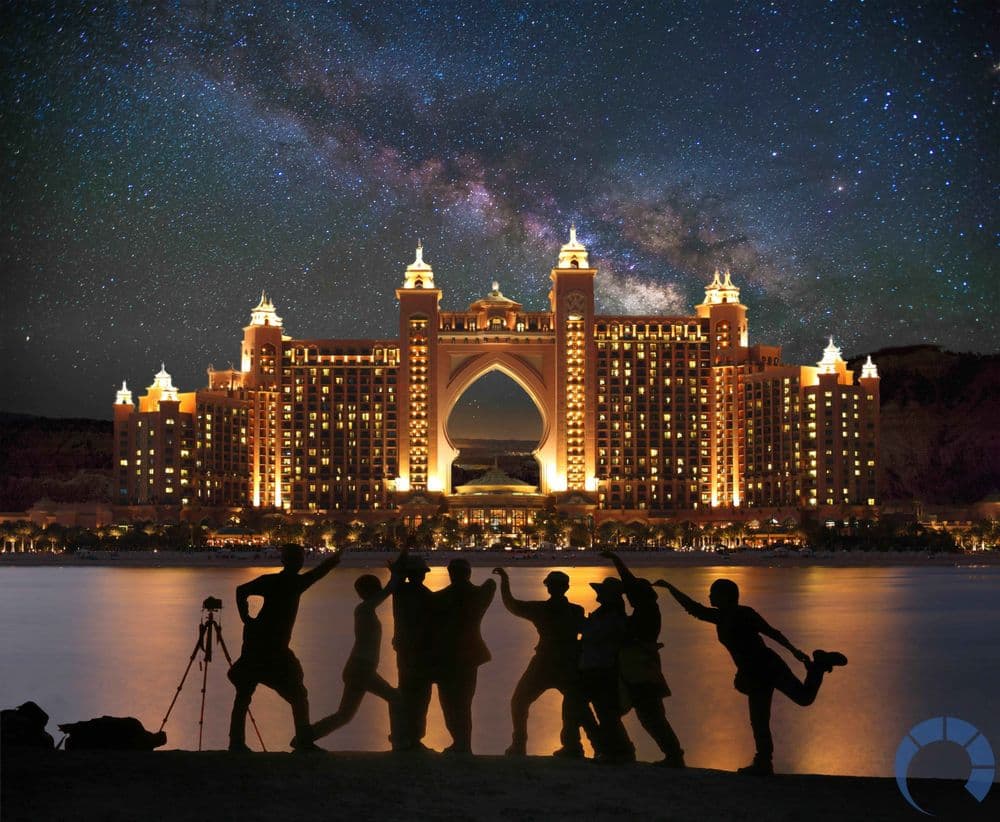
Analysis by Region: Visitor Distribution and Corresponding Investment Opportunities
The visitor surge is distributed across various regions, each offering unique opportunities for real estate investors:
Region Share of Visitors Key Real Estate Impacts Western Europe 22% Increased demand for luxury apartments in areas like Palm Jumeirah, with rental yields rising by 5-7%. GCC & MENA 26% Surge in short-term rentals in Business Bay, supporting commercial real estate growth. South Asia 17% Affordable housing demand in Deira and Bur Dubai, leading to 10% property value appreciation. Other Markets (e.g., Americas, Asia-Pacific) 35% Diversified interest in mixed-use developments, enhancing ROI in emerging districts like Dubai Hills.
| Region | Share of Visitors | Key Real Estate Impacts |
|---|---|---|
| Western Europe | 22 % | Increased demand for luxury apartments in areas like Palm Jumeirah with Rental Yields rising by 5-7% |
| GCC & Mena | 26 % | Surge in short-term rentals in Business Bay, supporting commercial real estate growth |
| South Asia | 17% | Affordable housing demand in Deira and Bur Dubai, leading to 10% property value appreciation |
| Other Markets(eg. Americans, Asia-Pacific) | 35% | Diversified interest in mixed-use developments, enhancing ROI in emerging districts like Dubai Hills |
This breakdown illustrates how tourism demographics influence specific submarkets, allowing investors to tailor strategies accordingly.
Effects on the Hospitality Industry: Advantages for Real Estate Stakeholders
The hospitality industry has directly benefited, achieving an average occupancy rate of 80.6 percent and over 22.2 million room nights booked across 822 establishments with more than 152,000 rooms. This robust performance spills over into real estate, where hotel-adjacent properties see elevated values and consistent rental income.
For instance, serviced apartments and holiday homes have experienced a 15 percent increase in bookings, driven by the visitor boom. Investors in these assets enjoy high occupancy and resilience against market fluctuations, making them a prudent choice in Dubai's dynamic landscape.
Projections for the Future: Establishing Dubai as a Leading Global Hub
Looking ahead, Dubai's trajectory toward top-three status is supported by the D33 Agenda, which aims to double the economy's size by 2033. Tourism growth will continue to underpin real estate expansion, with projections indicating sustained visitor increases and corresponding property demand.
Experts anticipate that this momentum will yield long-term benefits, including reduced carbon emissions through efficient tourism infrastructure and enhanced livability, further attracting global investors.
My Perspective: Capitalizing on Dubai's Developing Market Opportunities
The record-breaking 9.88 million visitors in the first half of 2025 affirm Dubai's status as a resilient and innovative destination, with profound implications for real estate investment. As tourism propels economic vitality, properties in strategic locations stand to gain significantly in value and yield.
I specialize in identifying high-potential opportunities aligned with Dubai's growth narrative. Whether you are considering residential, commercial or hospitality investments, our team is equipped to guide you toward informed decisions. Contact me today to explore tailored options and capitalize on this unprecedented surge.
Thinking about your next Dubai property?
Talk to an XRealty specialist — market guidance, shortlists, and honest advice, no obligation.
Frequently Asked Questions
The surge to 9.88M visitors is driving higher rental yields, occupancy rates, and property values—especially in prime areas like Downtown Dubai and Dubai Marina.
- Palm Jumeirah – Luxury apartments
- Business Bay – Short-term rentals
- Dubai Hills Estate – Mixed-use projects
- Deira & Bur Dubai – Affordable housing
Yes. With 80.6% occupancy and rising bookings, serviced apartments and holiday homes offer strong rental income and steady demand.
Expect growth in sustainable, connected, and high-demand areas—driven by Dubai’s D33 vision and expanding global appeal.

Related Articles
 NRI Investment
The Real Reason Indian Investors Never Stopped Buying Dubai Real Estate
Discover why Indian investors continue to choose Dubai real estate, from tax efficiency and rental yields to currency stability, residency benefits and long term growth.
 Invest In Dubai
Green Visa vs Golden Visa in the UAE: A Simple Comparison for Investors
Compare the UAE Green Visa and Golden Visa for investors, including eligibility, benefits, residency options and key differences to understand which route may suit your plans.
 Legal Process