
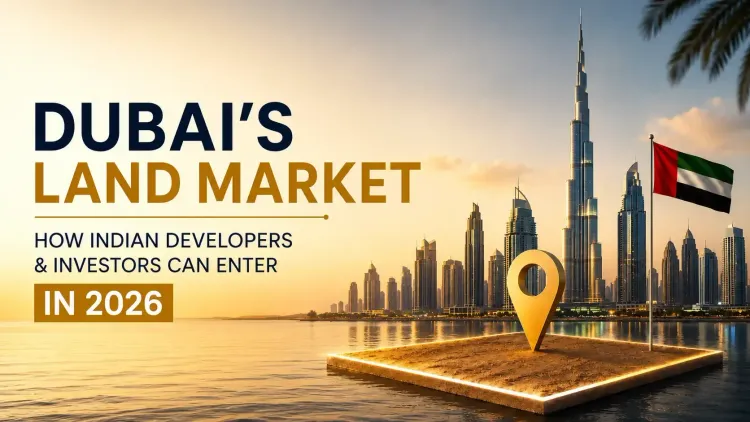
How Indian Developers and Institutional Investors Can Enter Dubai's Land Market in 2026
Indian developers and institutional investors ready to enter Dubai's land market in 2026, Explore freehold plot zones, entry structures and legal frameworks.

On October 18, 2025, the UAE opened a new Golden Visa route for major humanitarian and waqf donors, created by GDRFA (General Directorate of Residency and Foreign Affairs) - Dubai and Awqaf Dubai, signed during GITEX GLOBAL 2025.
For years, the UAE’s Golden Visa programme has drawn investors, entrepreneurs, and innovators from around the world. This new addition introduces a values-driven dimension, positioning the UAE as a destination where philanthropy meets opportunity. In a time when wealth and talent are highly mobile, the UAE is signalling that it’s a place to grow your capital, and build your legacy.
Though this announcement centers on residency, its ripple effect will extend into real estate, one of the UAE’s strongest economic pillars.
High-net-worth donors are more likely to establish a permanent base once they gain long-term residency, often purchasing prime properties instead of renting.
Demand for signature homes such as beachfront penthouses, bespoke villas, and legacy properties, is likely to rise as these buyers seek permanence and prestige.
Institutional expansion: Charitable foundations and humanitarian organizations may set up regional offices, increasing demand for premium commercial spaces.
This policy will diversify residency; and expand the base of long-term end-user buyers and strengthen Dubai’s position as a haven for global wealth with purpose.
Globally, countries that connect residency to social or humanitarian contribution have seen clear economic, social, and political outcomes.
Portugal’s Solidarity Golden Visa channels foreign contributions into social housing and community projects. This brings capital inflows while improving infrastructure and job creation.
Greece’s Golden Visa Programme revitalised the property market and helped local economies recover post-crisis, though later reforms were needed to balance housing affordability.
These examples show that socially oriented residency schemes can stimulate growth when managed with accountability and transparency.
Such programs encourage philanthropy and community involvement, helping new residents integrate through meaningful contribution.
They also promote social cohesion, as investors participate in initiatives that benefit locals from education to healthcare.
However, the balance is delicate. Without strong regulation, they can fuel inequality or distort property markets.
Countries offering impact-based visas project soft power, enhancing global reputation and diplomatic influence.
They also attract individuals aligned with national values, a form of selective nation branding.
The UAE’s approach combines these advantages with robust governance, positioning it as a model for socially responsible growth.
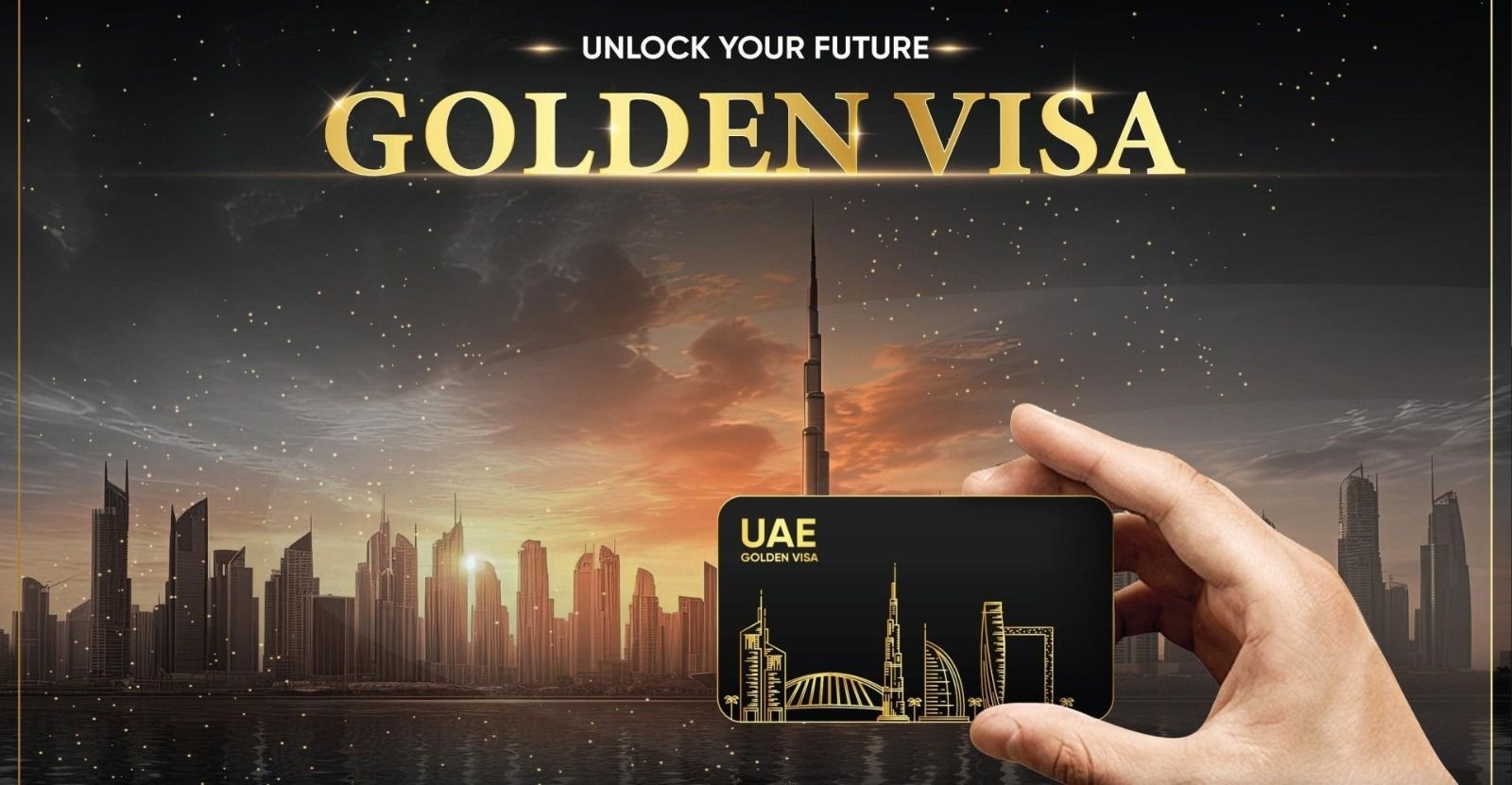
This new policy reflects the UAE’s transformation from a transactional economy to a transformational society, one that values social good as a pillar of development. By connecting humanitarian contributions with residency, the nation strengthens both its economic foundation and its moral fabric.
The expansion of the Golden Visa to humanitarian contributors signals inclusivity; and redefines what success and belonging mean in a modern nation, opening new doors rooted in purpose for investors and expats opening a new market class of buyers in Dubai’s real estate and institutional sectors.
As global competition for talent and influence intensifies, the UAE’s move stands as a reminder that the future of prosperity lies not only in what we build, but in how we give.
In October 2025, the UAE introduced a new Golden Visa pathway for humanitarian and waqf donors, announced by GDRFA–Dubai and Awqaf Dubai during GITEX Global. This initiative allows major philanthropic contributors to gain long-term residency in the UAE, recognizing social impact alongside financial investment. It strengthens Dubai’s position as a global hub for sustainable wealth, philanthropy, and purpose-driven investment.
The expansion is expected to attract a new class of high-net-worth investors who seek both residency and legacy investments. Many donors prefer to purchase premium real estate in Dubai, such as beachfront villas, luxury penthouses, and branded residences, to establish a permanent base. As a result, demand for prime residential and institutional properties will increase, boosting Dubai’s luxury real estate and off-plan property segments in 2025–2026.
Yes. Golden Visa holders are fully eligible to own freehold properties in designated zones across Dubai. They can purchase apartments, villas, and plots in areas like Dubai Hills Estate, Palm Jumeirah, Emaar Beachfront, and Downtown Dubai. Ownership also supports visa renewal and offers greater flexibility in long-term residency planning.
Golden Visa residents enjoy several advantages, including:
10-year renewable residency without the need for a national sponsor
100% property ownership rights in freehold zones
Eligibility for family sponsorship and business ownership
Access to Dubai’s high-ROI real estate market, averaging 6–8% annual rental yields
Stable and tax-efficient environment for global investors and end-users
These benefits make Dubai a leading destination for property investment, lifestyle, and wealth preservation.
Prime locations attracting Golden Visa investors include:
Emaar Beachfront – luxury seafront apartments with high capital appreciation
Dubai Hills Estate – family-friendly villas and townhouses near Downtown
Palm Jumeirah & Dubai Marina – exclusive waterfront living and branded residences
Downtown Dubai – premium city lifestyle near Burj Khalifa and Dubai Mall
Rashid Yachts & Marina, Dubai Islands, and Expo City – emerging investment corridors
These areas combine high rental demand, world-class infrastructure, and long-term value growth.
By expanding the Golden Visa to include humanitarian contributors, the UAE merges social impact with economic growth, setting a new benchmark for values-based residency. This policy enhances foreign investor confidence, attracts philanthropic wealth, and strengthens Dubai’s image as a global destination for ethical and sustainable real estate investment.
Indian developers and institutional investors ready to enter Dubai's land market in 2026, Explore freehold plot zones, entry structures and legal frameworks.
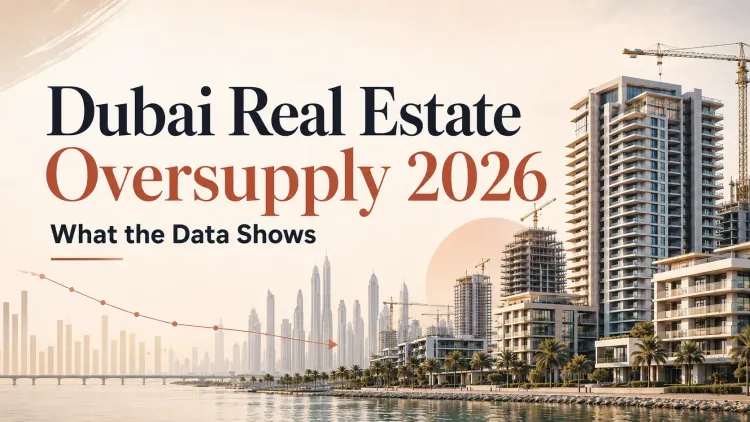
Dubai real estate pipeline data through 2030, understand where supply is concentrated and what it means for your investment strategy.
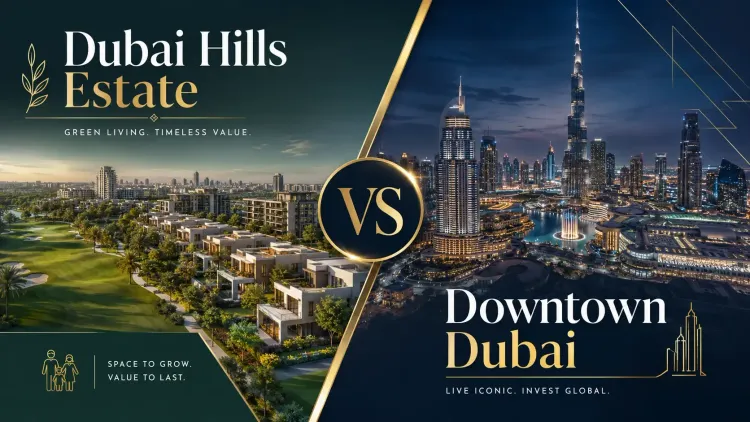
Downtown Dubai vs Dubai Hills Estate in 2026, the capital appreciation data, buyer pool shifts and why one community now wins for first time buyers.