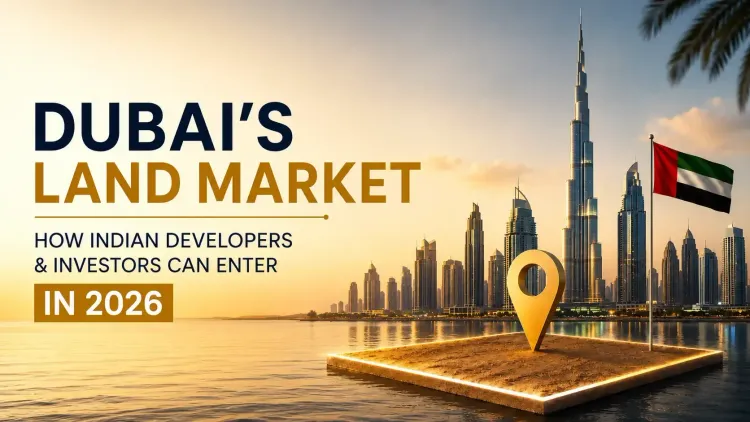
How Indian Developers and Institutional Investors Can Enter Dubai's Land Market in 2026
Indian developers and institutional investors ready to enter Dubai's land market in 2026, Explore freehold plot zones, entry structures and legal frameworks.
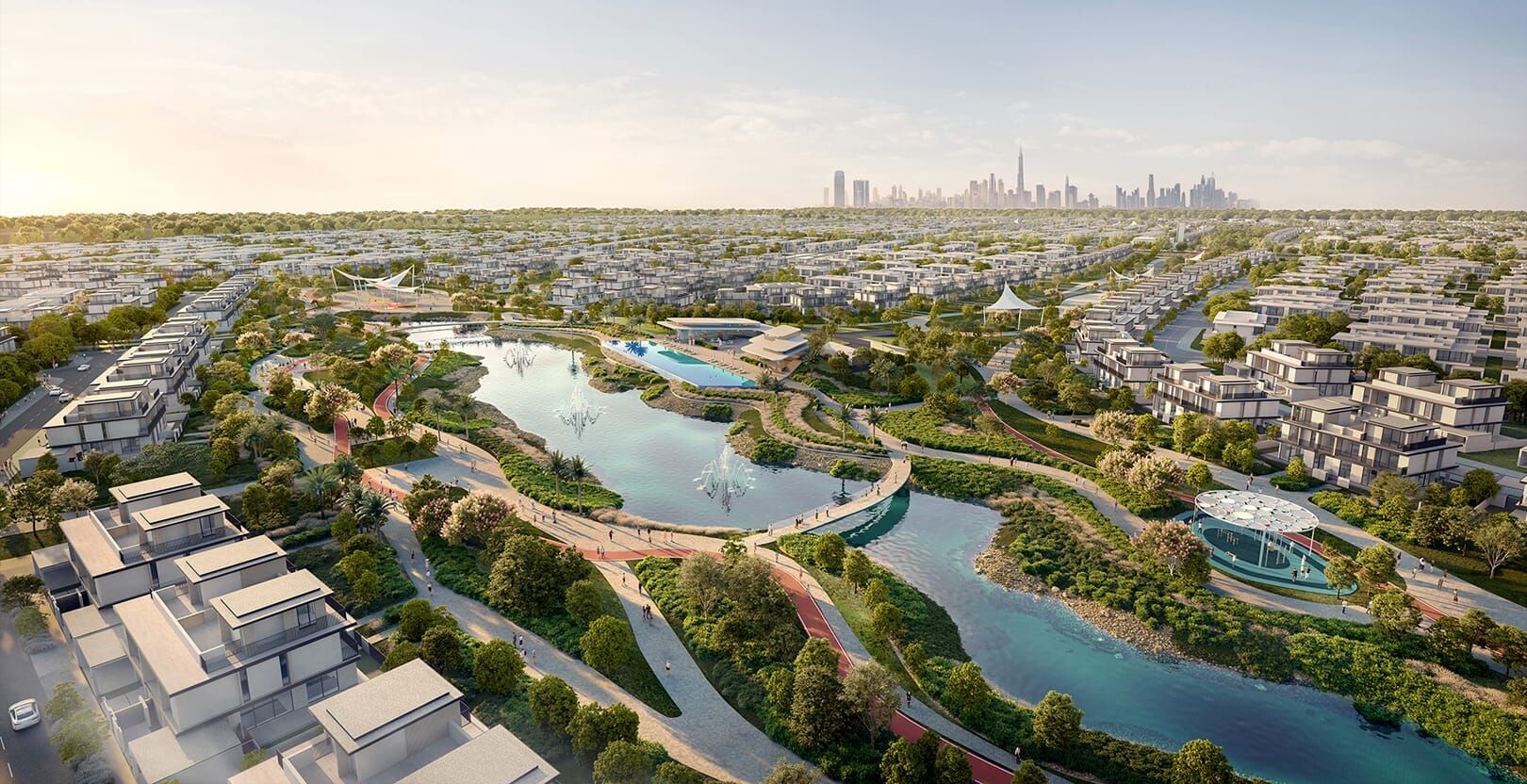

Dubai’s real estate market is constantly evolving. One shift that’s gaining serious traction is the rise of wellness-focused communities. These aren’t just lifestyle upgrades. For today’s investors, they represent a smart opportunity with strong financial and long-term living value.
At Xperience Realty, we’ve seen growing demand for developments that go beyond standard amenities. Buyers and tenants alike are placing more value on clean air, green spaces, mindful design, and a sense of community. And they’re willing to pay for it.
Wellness communities are designed to support a healthier, more balanced lifestyle. That means more than just adding a gym or pool to a development.
These developments typically include:
In a city like Dubai where temperatures run high and indoor time dominates, these features are practical, attractive, and increasingly expected.
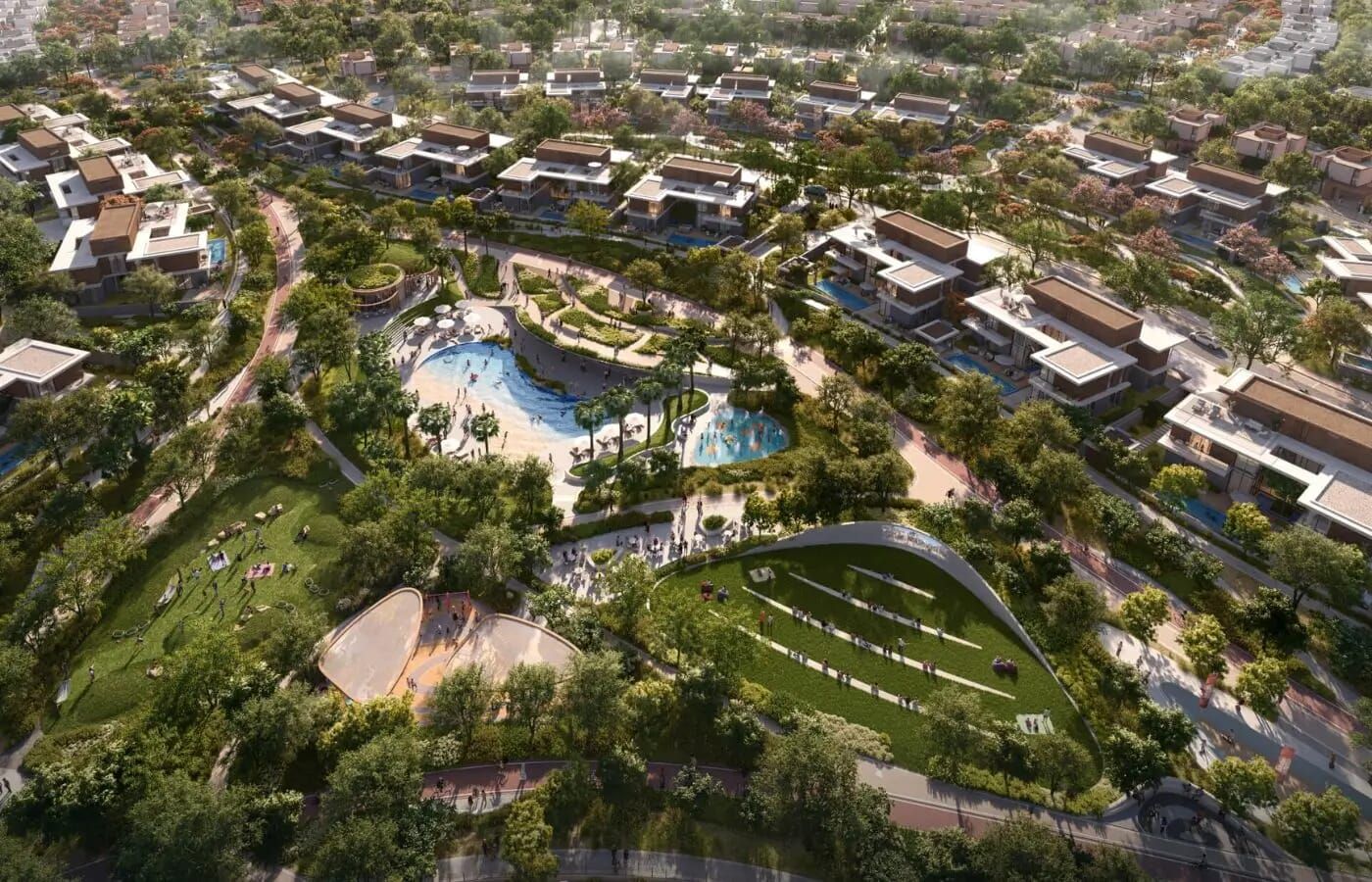
Wellness communities are proving to be more than a feel-good concept. For property investors, they offer a range of strategic advantages:
These communities appeal to families, working professionals, and health-conscious individuals. Tenants in such environments tend to stay longer, reducing turnover costs and vacancy risks.
Properties with wellness elements often rent or sell for more. According to several Dubai real estate reports, buyers are willing to pay a 10 to 25 percent premium for homes that support wellbeing and comfort. Rental yields also trend higher thanks to stronger appeal and reduced vacancy.
During market fluctuations, homes with wellness features tend to hold value better. Buyers are more reluctant to compromise on lifestyle quality, especially post-pandemic when health and space have become top priorities.
Unlike trends that fade, wellness is tied to long-term global shifts. Sustainability, mental health, and active living are all factors that aren’t going away. Communities built around these values are more likely to stay relevant and desirable.
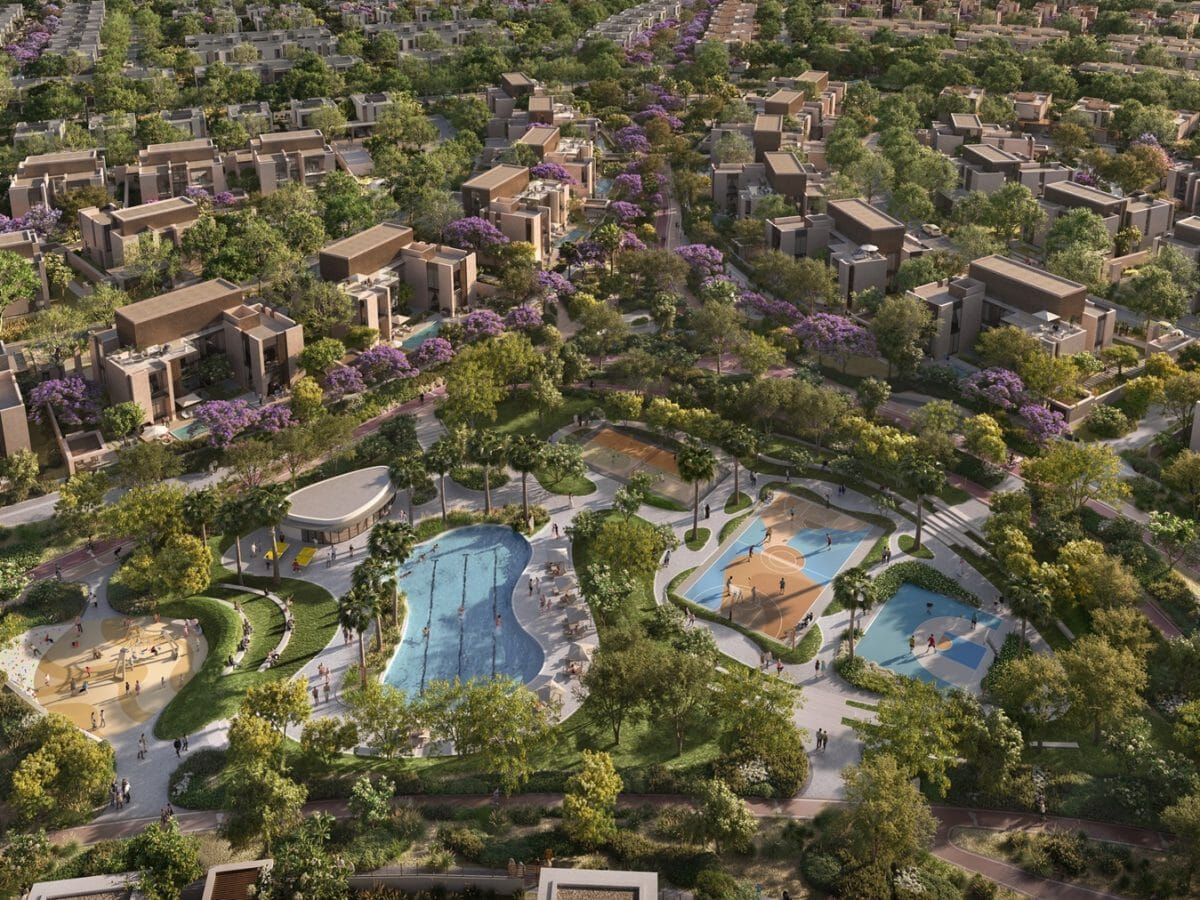
Not every development that markets itself as “wellness-oriented” truly delivers. Investors should look for:
A green label or a landscaped park alone isn’t enough. The overall lifestyle experience matters, and buyers are becoming more discerning.
Several major developments across the city are already embracing this movement. And they’re seeing results.
1. Haven by Aldar: Built entirely around wellness. From treehouse-style community hubs to forest trails and mindfulness pavilions, it’s a development that prioritizes both physical and emotional wellbeing. Early interest has been strong, especially from end-users looking for more than just a roof over their heads.
2. Tilal Al Ghaf: Eco‑wellness villas with smart systems. The sales in such communities tend to show higher occupancy rates and better price resilience.
3. The Heights Country Club & Wellness by Emaar: A fresh take on wellness living, combining green spaces, modern wellness facilities, and a vibrant community lifestyle. Early buyer interest highlights strong appeal for its holistic approach to health and wellbeing.
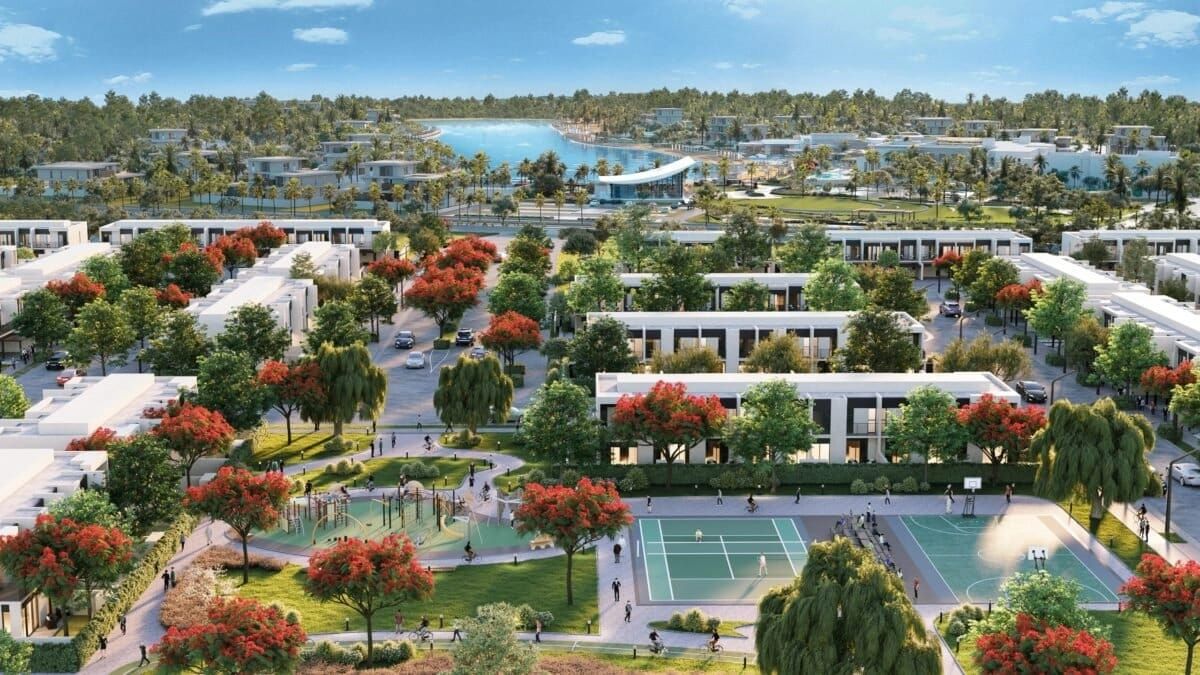
There are several reasons why wellness communities are becoming a strong pillar in Dubai real estate:
Lifestyle changes post-COVID: People want homes that help them live healthier lives, with space to move, unwind, and connect.
Government support for sustainability: Dubai’s push for greener, more livable urban planning encourages developments that go in this direction.
Global investor interest: Expatriates and international buyers are bringing expectations from cities like London, New York, and Singapore, where wellness-focused living is already in high demand.
Younger demographics: Millennials and Gen Z buyers, now entering the market, place greater value on mental health, sustainability, and community.
These factors are helping wellness communities move from luxury niche to mainstream real estate strategy.
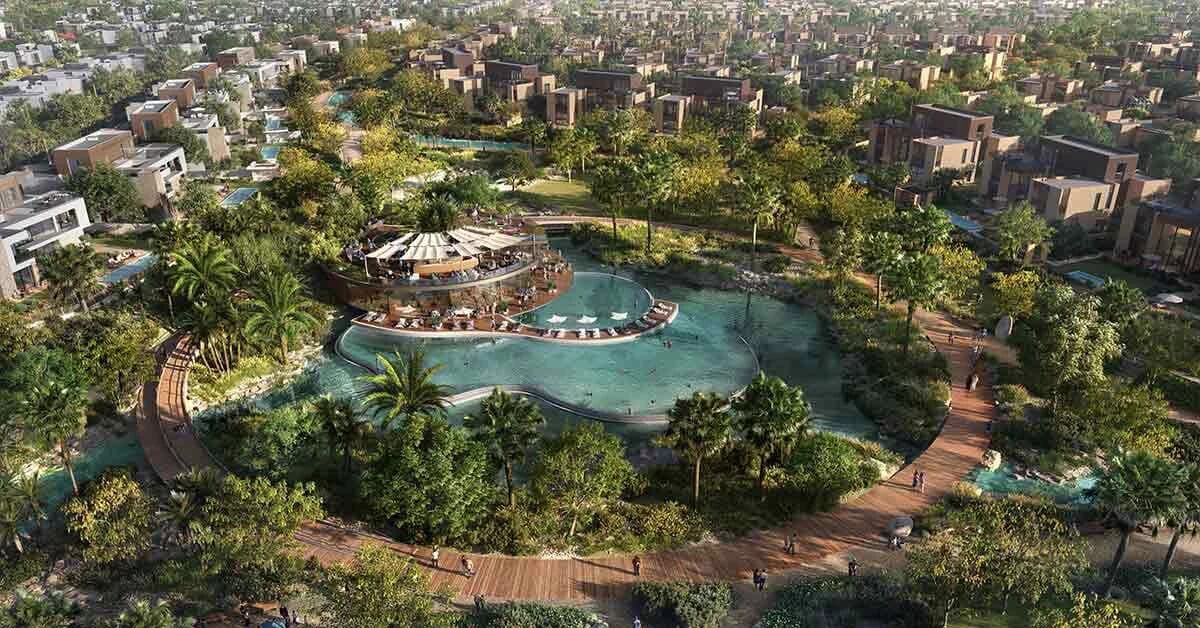
Of course, not every wellness development is a guaranteed win. There are a few challenges to keep in mind:
Higher construction and development costs — can affect pricing and margins if not managed well
Overuse of the “wellness” label — some projects may market themselves as wellness-focused without offering much substance
Mismatch with market segment — if the pricing doesn’t match the lifestyle offered, resale or rental uptake may suffer
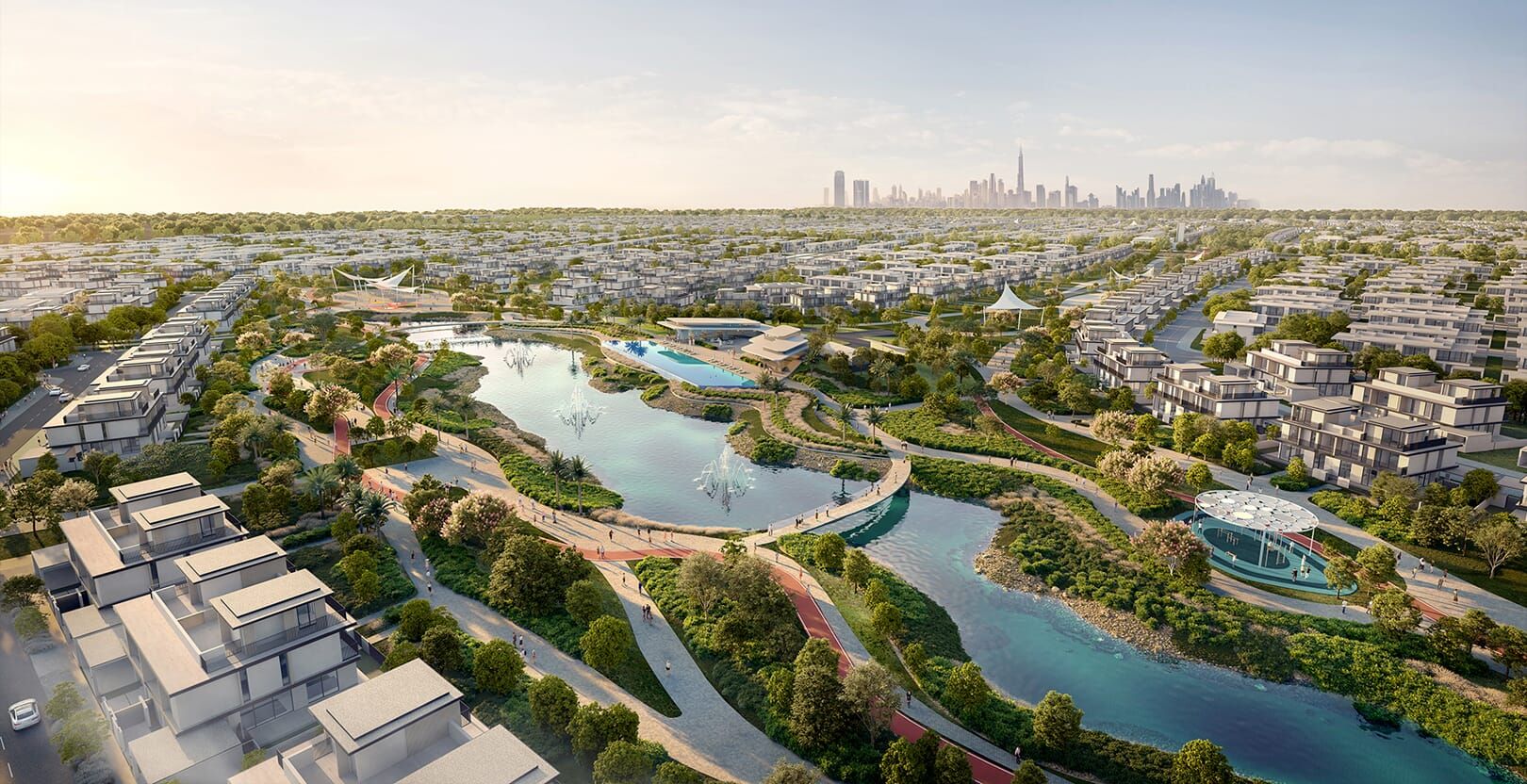
Wellness-focused developments are still a relatively early trend in Dubai, but they’re gaining fast traction. That creates a window of opportunity for investors to enter while prices are competitive, and demand is rising.
As more people seek a better balance between productivity and wellbeing, and as sustainability becomes part of everyday decision-making, wellness communities are likely to see sustained growth, not just in popularity but in returns.
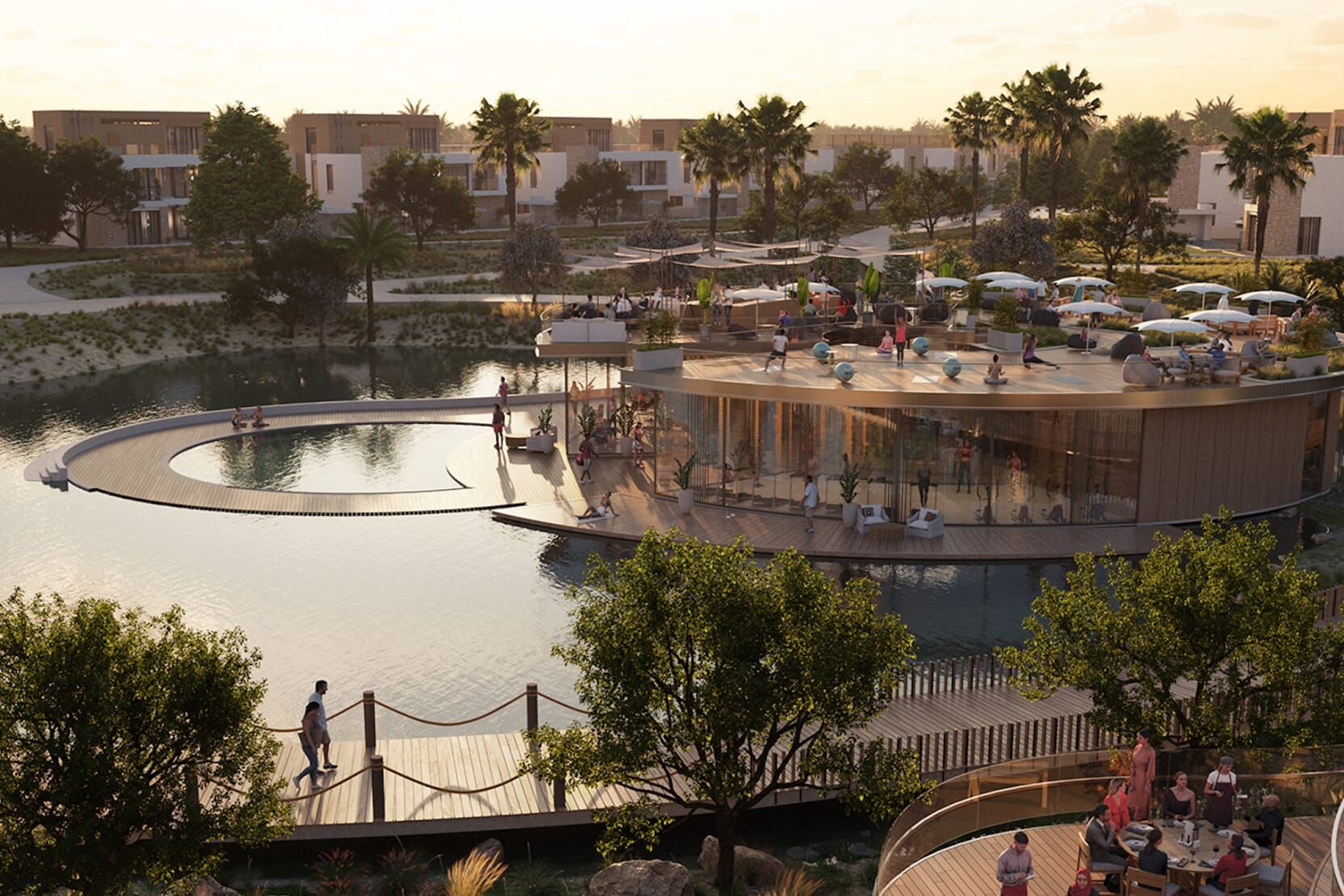
Real estate should reflect the way people want to live: not just today, but years from now. Wellness communities speak to a deeper shift in buyer and tenant preferences, and we’re seeing that reflected in market data, client conversations, and project performance.
For investors looking to future-proof their portfolio, now is the time to explore developments that go beyond four walls. The Heights Country Club & Wellness is coming soon, promising a fresh approach to community living with green spaces, wellness facilities, and a genuine sense of connection.
The combination of lifestyle value and long-term financial return makes wellness living not just a smart choice, but a strategic one.
Wellness communities go beyond standard amenities like gyms and pools. They integrate green spaces, mindful design, wellness centers, and sustainable features that actively support healthier living. Buyers are drawn to clean air, natural light, and a strong sense of community — elements that make these developments more than just homes.
Yes. Properties in wellness-focused developments often command a 10–25% premium compared to standard communities. They also tend to enjoy higher rental yields, longer tenant retention, and better resale value during market fluctuations, making them an attractive option for long-term investors.
Wellness communities attract families, working professionals, and health-conscious individuals — particularly millennials and Gen Z buyers who value sustainability and lifestyle balance. Expatriates from global hubs like London, New York, and Singapore also show strong interest in Dubai’s wellness-focused living options.
Investors should consider:
Developer reputation and track record. Certifications like LEED, Fitwel, or WELL Building Standard. Maintenance fees and cost-efficiency of wellness features. Genuine lifestyle offerings versus marketing gimmicks. Accessibility to schools, clinics, and major transport links. These factors ensure long-term value and protect against overpaying for under-delivered promises.
Indian developers and institutional investors ready to enter Dubai's land market in 2026, Explore freehold plot zones, entry structures and legal frameworks.
Dubai real estate pipeline data through 2030, understand where supply is concentrated and what it means for your investment strategy.
Downtown Dubai vs Dubai Hills Estate in 2026, the capital appreciation data, buyer pool shifts and why one community now wins for first time buyers.