How Indian Developers and Institutional Investors Can Enter Dubai's Land Market in 2026
Indian developers and institutional investors ready to enter Dubai's land market in 2026, Explore freehold plot zones, entry structures and legal frameworks.
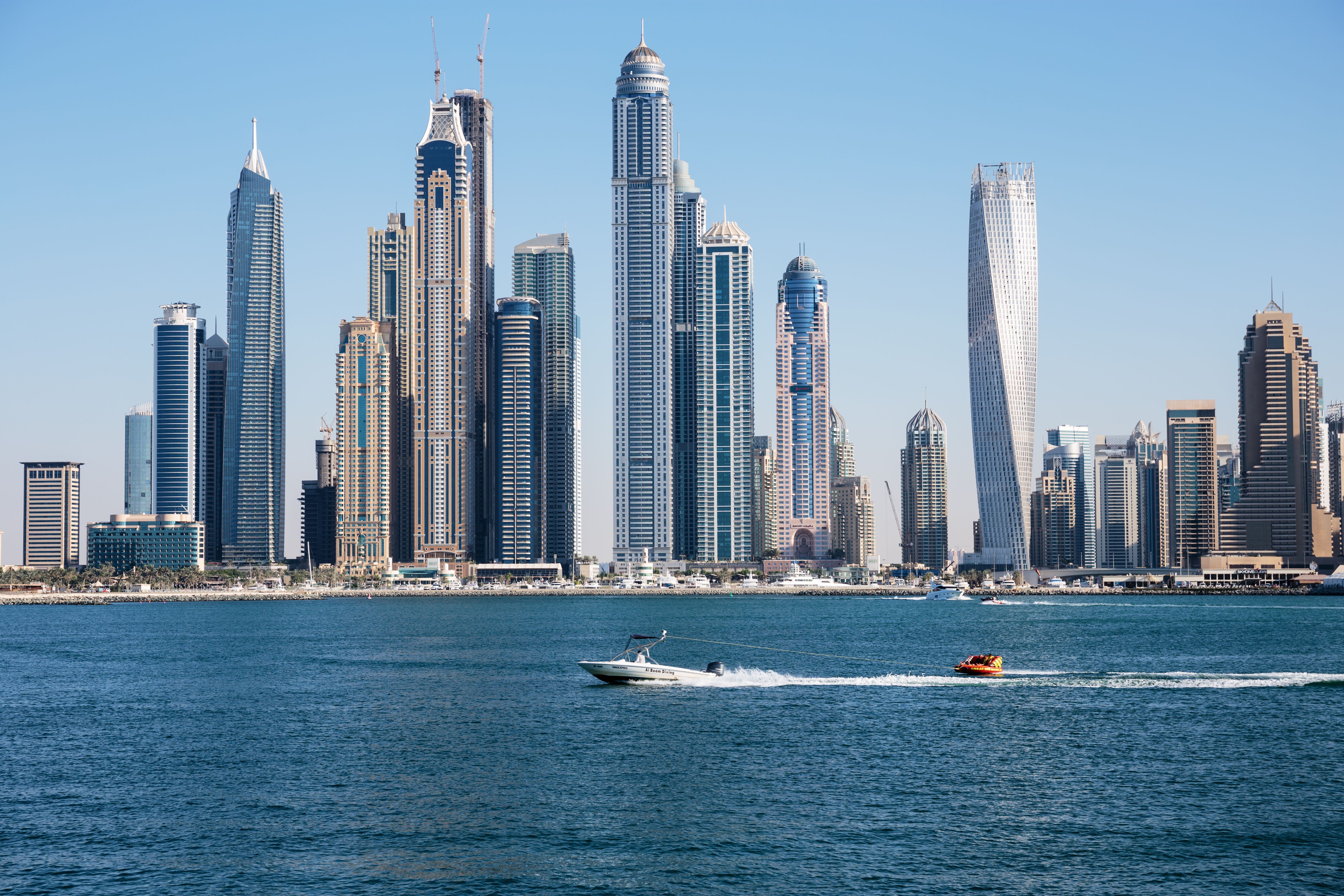

Dubai has emerged as an international symbol of waterfront living from the social hustle and bustle of the promenades at Dubai Marina, to the serene coastlines of Al Marjan Island in Ras Al Khaimah, the city and its neighboring emirates are redefining coastal real estate opportunities for both investors and residents. But behind the glamour is a significant fact: waterfront properties are among the most resilient and rewarding real estate assets in the region. In addition to commanding premium values, they also hold stability in asset values over different market cycles. In this article, we review why waterfront investments remain future-proof, highlight the hottest coastal areas for 2025, and explain what differentiates them from inland opportunities.
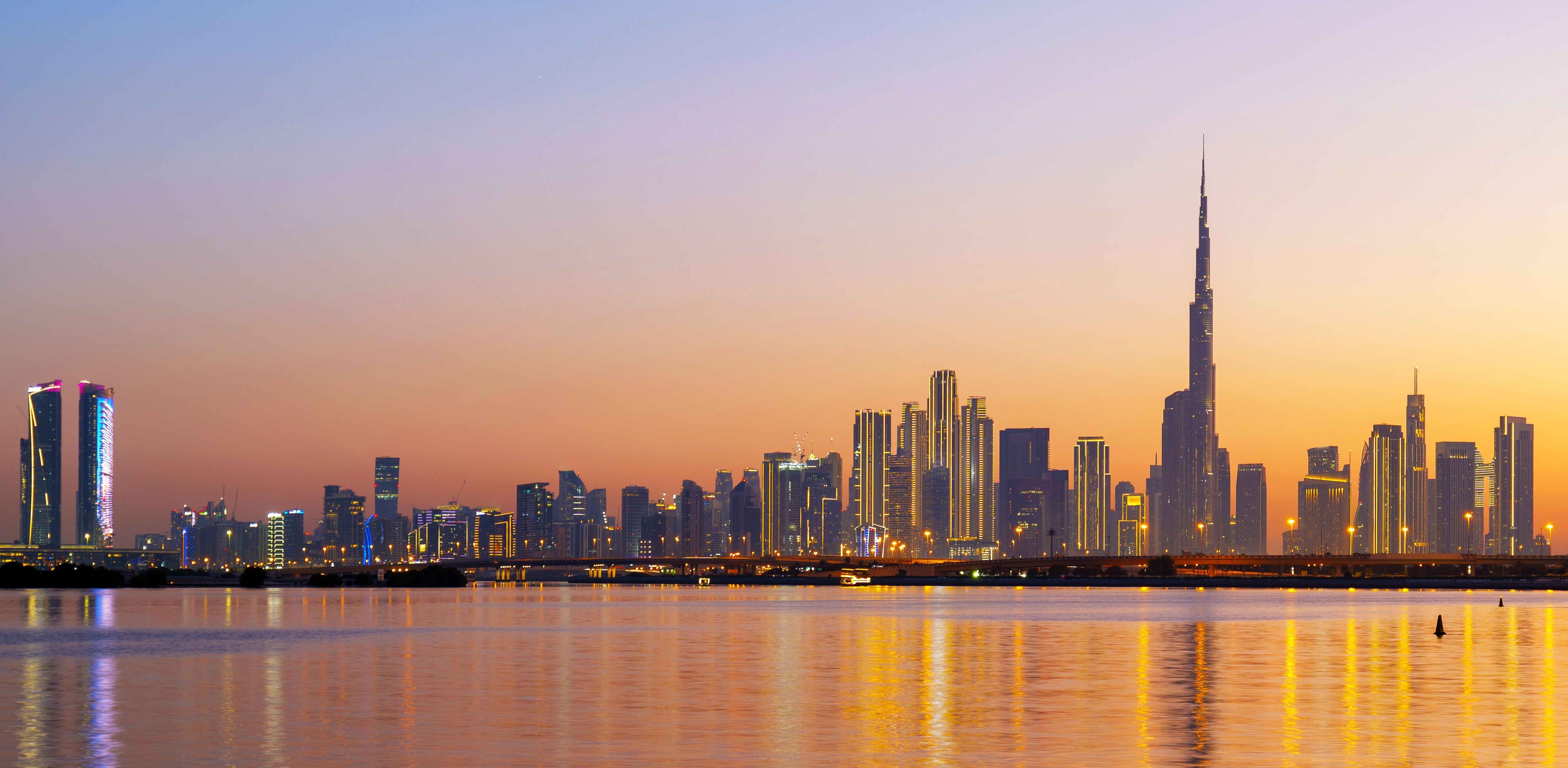
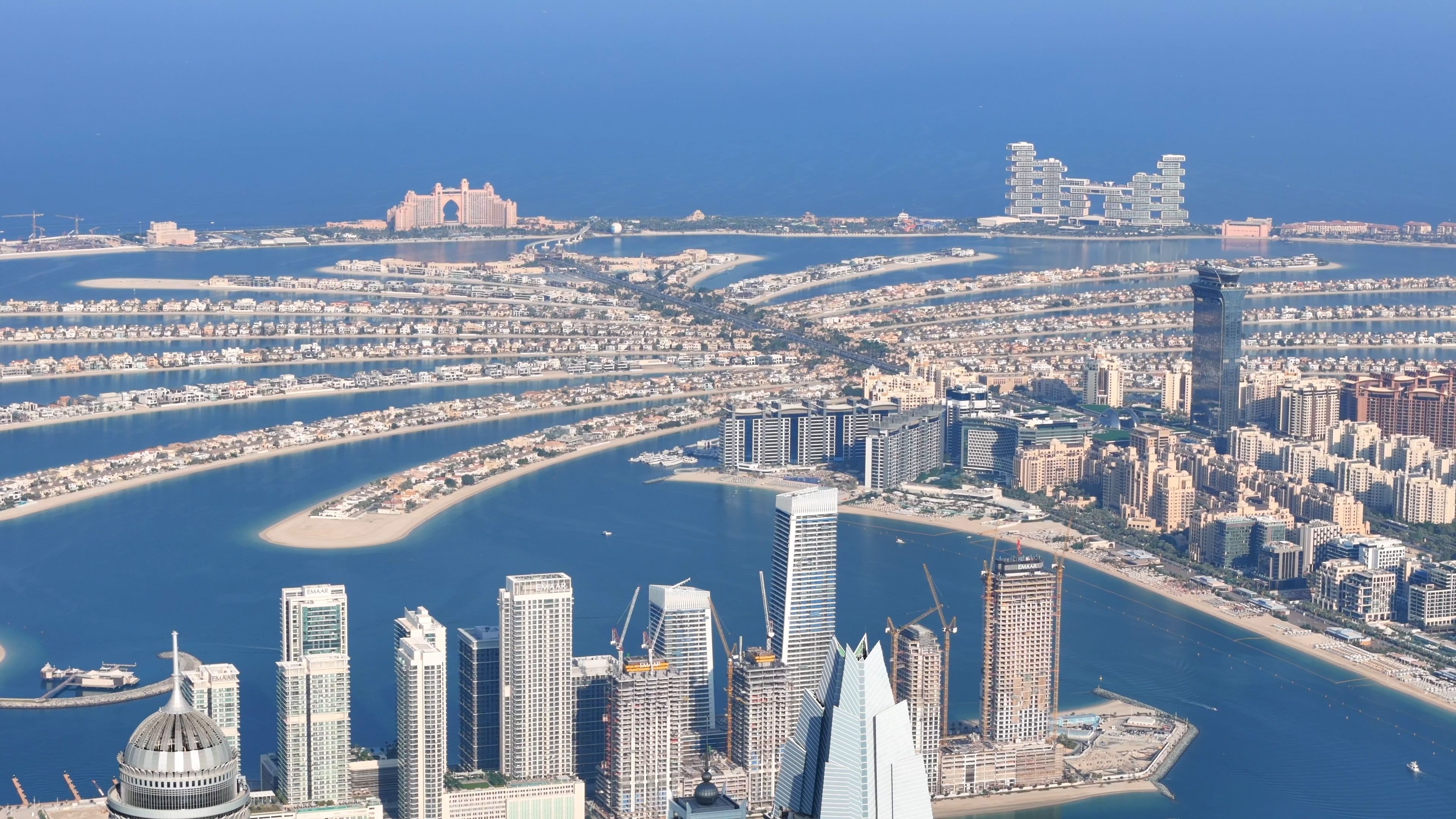
There is always the option of building land further from the coast; however, coastline is inherently limited in quantity. Scarcity will create a situation where long-term demand always exceeds long-term supply. More islands will create iconic destinations similar to how Palm Jumeirah is out of real estate stock (apart from building more iconic homes).
The villas on the Palm Jumeirah will always be traded at a premium 30-40% higher than similar villas further inland.
The apartments with a distinct view of water in the Marina or Jumeirah Beach Residence (JBR) clearly will trade quicker and at a higher price than properties just one or two street blocks away from the marina.
Scarcity adds resilience; in Dubai with all the urban planning to convert waterfront communities into amenity bound lifestyle destinations, it has multiplied.
For global buyers, waterfront properties are more than homes; they’re lifestyle assets. Residents enjoy direct beach access, promenades, yacht berths, and skyline views — while investors gain steady rental income and appreciation.
Short-term rentals in Dubai Marina, Bluewaters, and Beachfront achieve 8–10% yields, outperforming inland apartments.
Long-term tenants are willing to pay 20–30% more for apartments or villas with direct waterfront access.
This dual demand ensures that waterfront properties consistently generate returns — both lifestyle and financial.
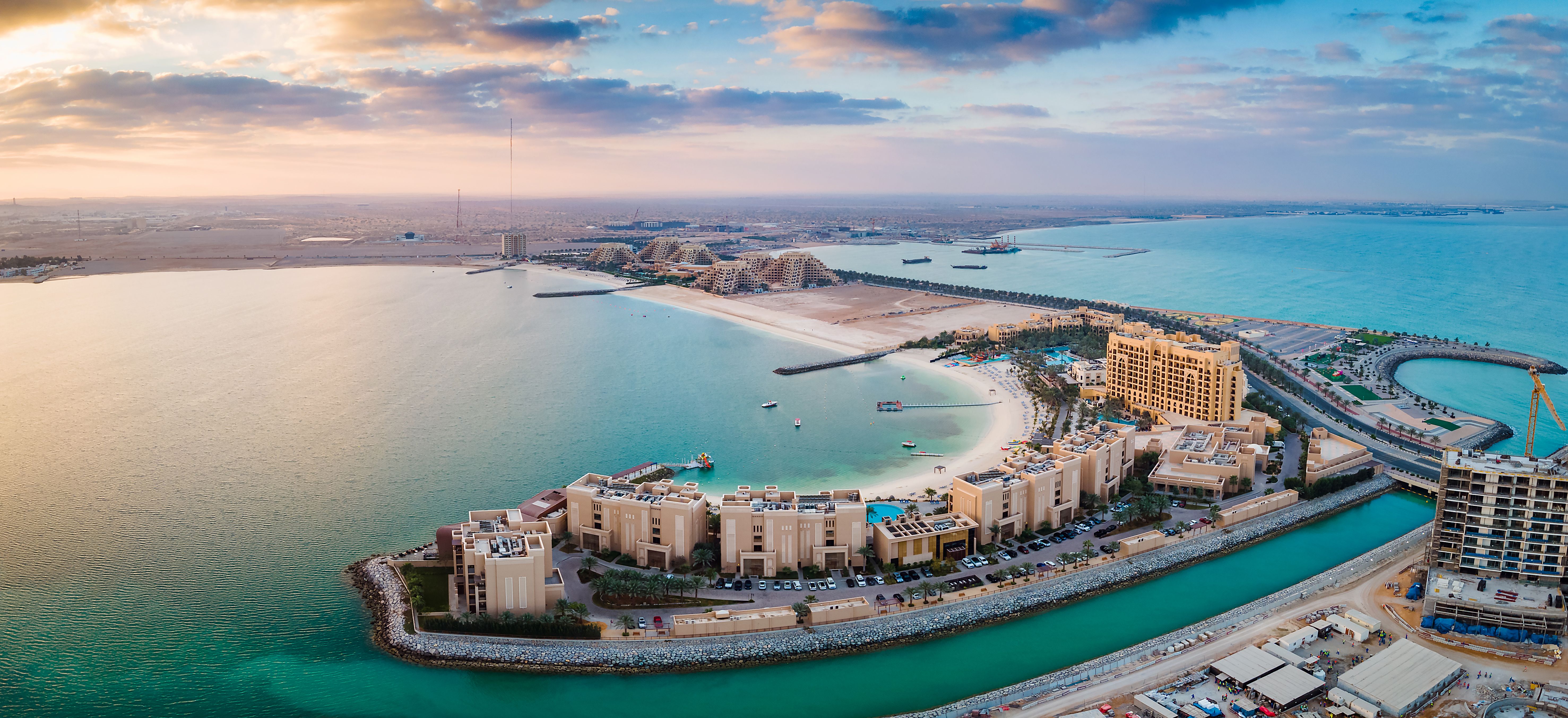
Tourism is one of the strongest undercurrents driving waterfront real estate. Dubai welcomed over 17 million visitors in 2023 and aims to reach 25 million annually by 2025. Waterfront zones such as Marina, JBR, and Beachfront capture a significant portion of this short-stay demand. Meanwhile, Al Marjan Island in Ras Al Khaimah is emerging as a global hotspot, especially with the Wynn Integrated Resort under construction — the first of its kind in the Middle East. Analysts predict property values in the area could rise by 25–30% by 2030, making it a magnet for early investors.
In contrast to many international cities where waterfront communities may feel isolated, Dubai’s coastal projects are thrust into a high degree of infrastructure connectivity.
Dubai Marina is immediately adjacent to Sheikh Zayed Road.
Bluewaters Island is seamlessly connected to the mainland.
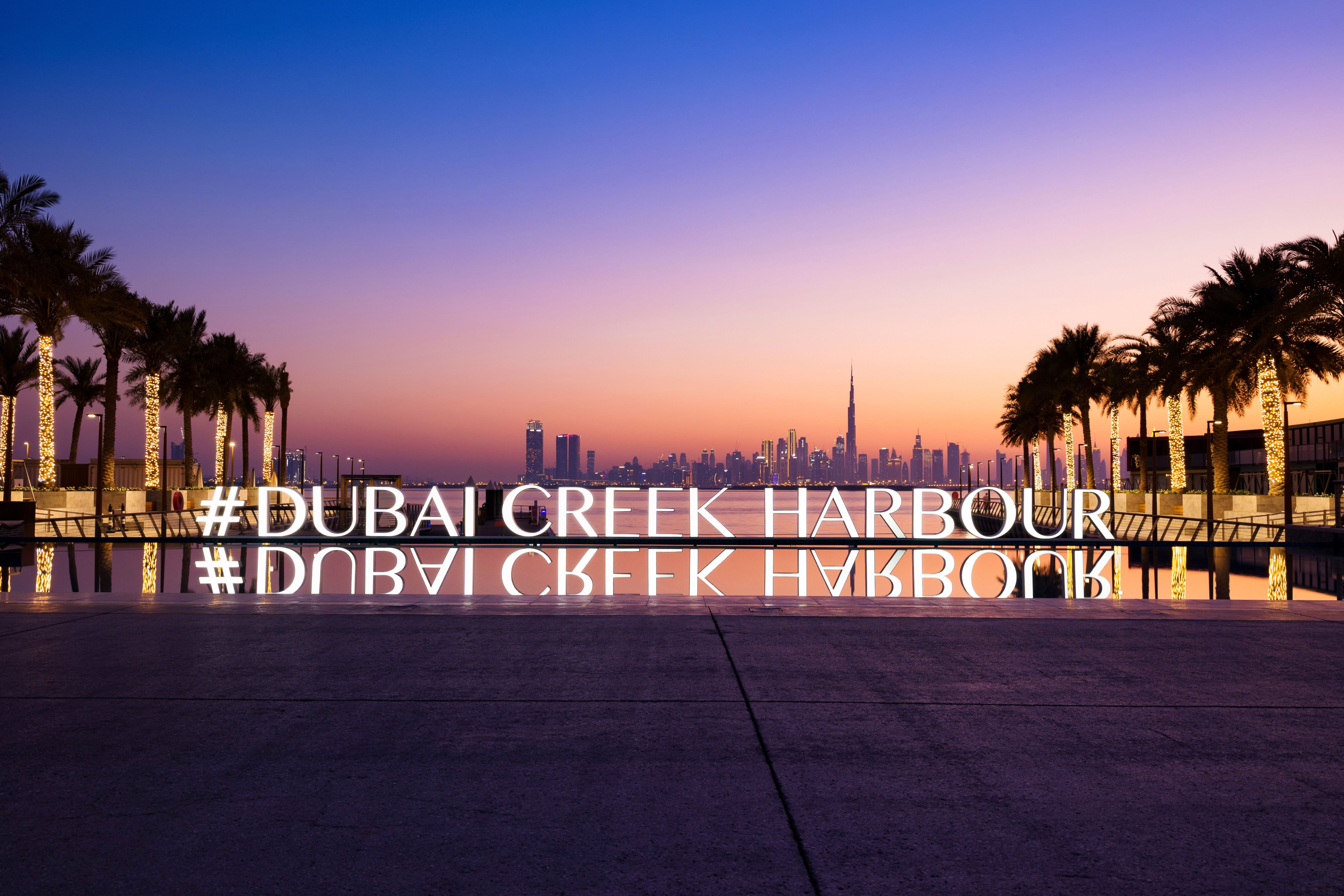
Dubai Creek Harbour is just minutes away from Downtown Dubai.
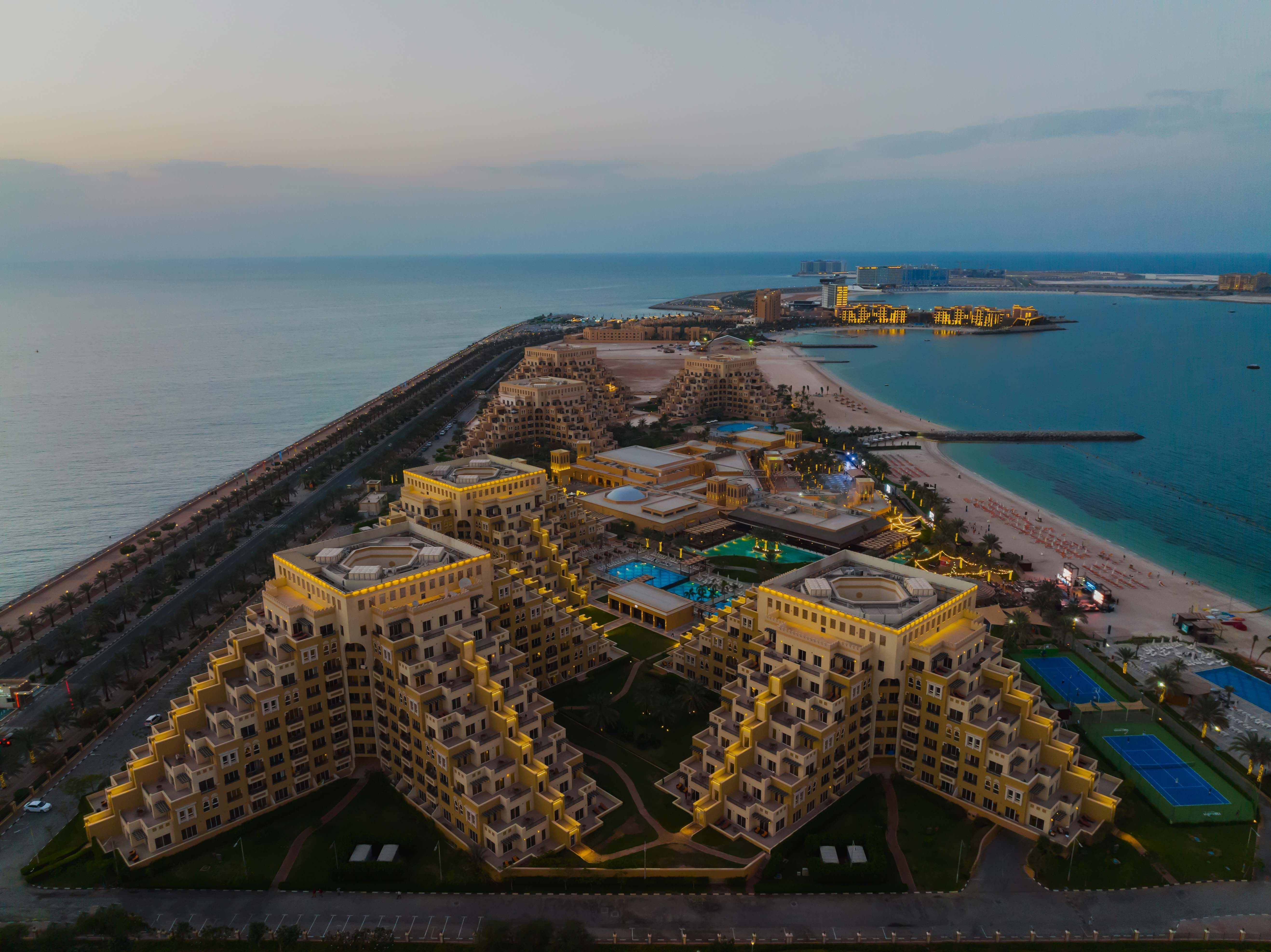
Al Marjan Island is being supplemented by upgraded road networks, proximity to Al Maktoum International Airport.
This connectivity provides waterfront communities not only premium addresses but also desirable livability and functionality.
Historically, data reveals waterfront resilience:
A two-bedroom unit in Dubai Marina purchased in 2019 for AED 1.8M, was valued at AED 3.1M by 2025, which is close to a 40% appreciation in 5 years.
Villas on Palm Jumeirah saw continued price premiums, even during softer market periods.
Inland properties during this same period, appreciated approximately 18–20%, which underscores the strength of coastal properties.
Dubai and the Northern Emirates are still growing their coastline in a planned manner, but geography means that supply will always be constrained.
Some of the notable points on this would be :
A tourism goal of 25 million visitors a year by 2025,
Vision 2040 urban growth plans designating coastal development as a priority and
Global investors targeting stable, tax-friendly locations, a waterfront property is likely one of the safest, highest returning assets in the region.
Conclusion From Dubai Marina to Al Marjan Island, waterfront properties remain the crown jewels of UAE real estate. They combine lifestyle, scarcity, and long-term financial resilience in a way few other assets can. For investors looking to anchor their portfolios in Dubai’s future, coastal real estate offers not just homes, but enduring value.
Waterfront properties remain in demand, and they are more desirable because of the limited supply. They have attractive lifestyles, premium views, higher yields, and are therefore more resilient and have faster recovery if the market goes down compared to inland areas.
The best areas in the city for different purposes include Dubai Marina and JBR for happens, Emaar beachfront for appreciation, Palm Jumeirah and Palm Jebel Ali for legacy investments, Dubai Creek For extended family living, and Al Marjan Island (RAK) for newer investments on the waterfront.
Rental returns in the waterfront apartments typically range from 7-10% in the marina, JBR, and beachfront. These are higher rental returns than the average inland return. Some villas may also have higher long-term rentals, as waterfront properties are exclusive products.
Yes, there is always a higher entry price. There may be maintenance costs with saltwater hopefully recovered on many relevant or type properties and if market cycle coincides with pricing of those properties. Depending on the rest of the market, history shows waterfront property will perform better than inland properties if there is a downturn or decline.
They expand Dubai’s and RAK’s coastline strategically, offering first-mover advantage to investors. Palm Jebel Ali is set to be four times the size of Palm Jumeirah, while Al Marjan Island is backed by mega-tourism projects like Wynn Resort, both fueling future appreciation.
Indian developers and institutional investors ready to enter Dubai's land market in 2026, Explore freehold plot zones, entry structures and legal frameworks.
Dubai real estate pipeline data through 2030, understand where supply is concentrated and what it means for your investment strategy.

Downtown Dubai vs Dubai Hills Estate in 2026, the capital appreciation data, buyer pool shifts and why one community now wins for first time buyers.