How Indian Developers and Institutional Investors Can Enter Dubai's Land Market in 2026
Indian developers and institutional investors ready to enter Dubai's land market in 2026, Explore freehold plot zones, entry structures and legal frameworks.

The U.S. administration announced one of the most dramatic changes in immigration policy in decades in September 2025: a new fee of $100,000 on H-1B visa petitions.
The H-1B visa has for years been the pathway for skilled professionals especially in technology, consulting, healthcare, and finance to work inside the U.S. It was the vehicle for the rise of Silicon Valley, it supported research in U.S. universities, and it filled critical shortages in medicine and engineering.
However, with this new fee, the calculus of hiring foreign professionals in the U.S. has changed fundamentally. The effect? A cascading impact that will change global flows of talent, in addition to peer investment in these sectors.And while the U.S. is closing its doors, Dubai is quietly opening its arms wider than ever.
This blog discusses what the H-1B fee increase means, how it impacts industries and professionals across the globe, and why this is perhaps the best moment in years for investors to consider Dubai with great interest.
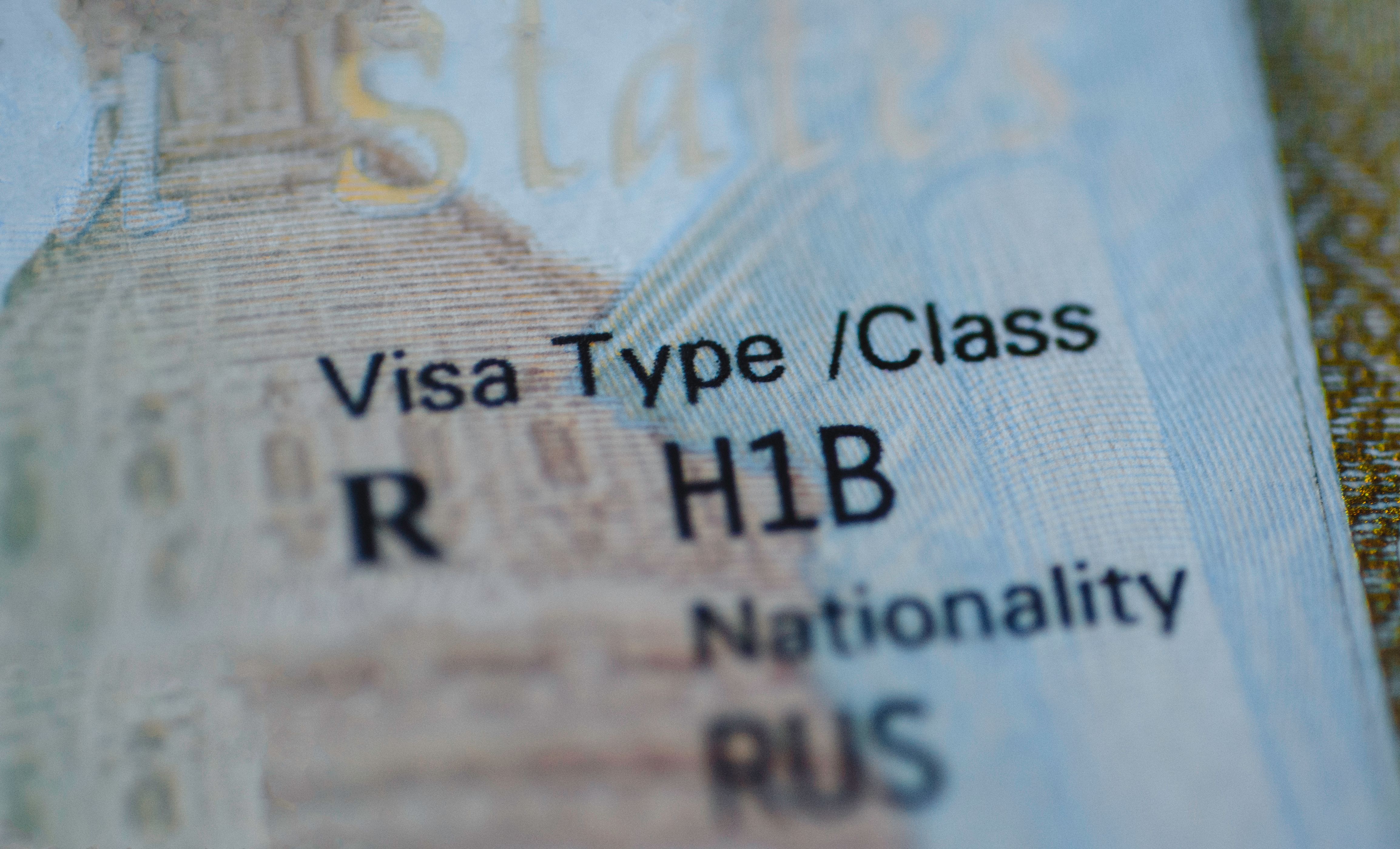
The Trump administration introduced a $100,000 one-time fee for new H-1B visa applications.
Key Points to Note:
For the companies, this is not just a cost of processing a petition. This is a cost of strategic decision-making with respect to cost.
Hiring one foreign worker has now become a six-figure cost before you hire their salary, relocation, and benefits.
For professionals, it signals uncertainty. Why would an employer pay such a steep price for talent, unless the role is highly specialized and impossible to fill locally?
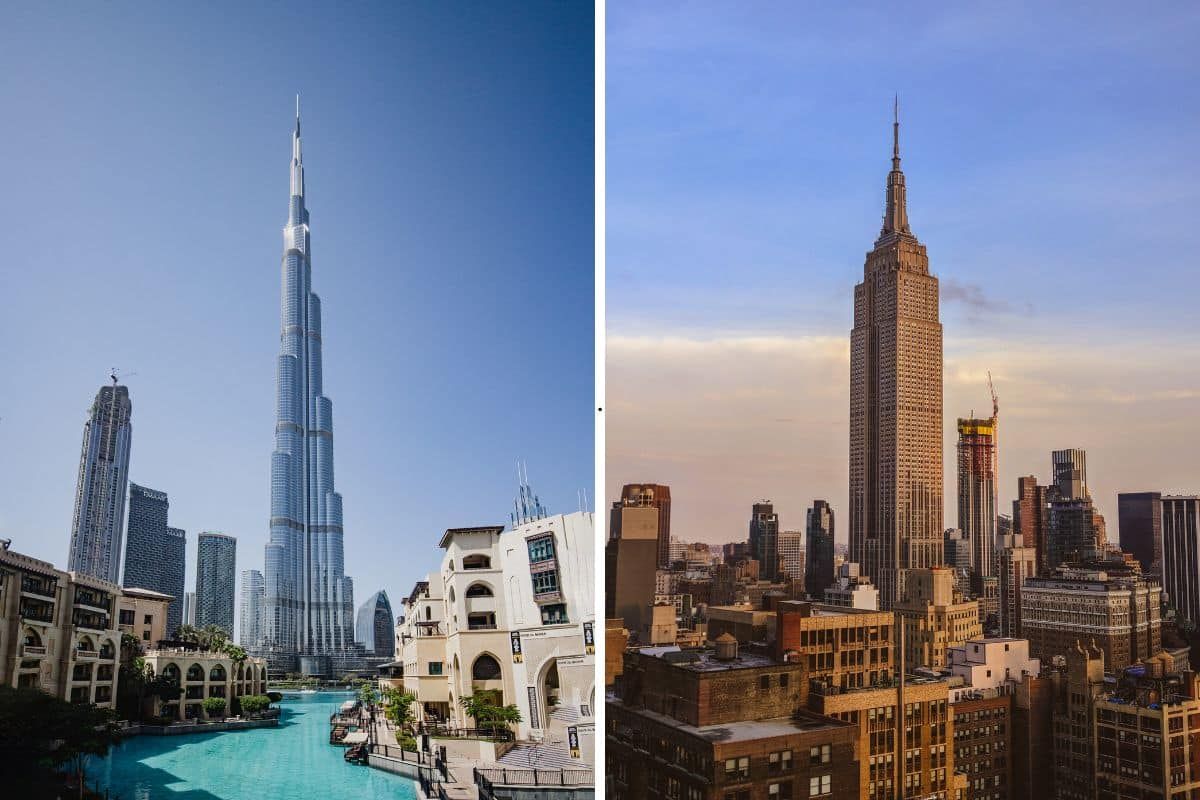
Whenever the U.S. tightens immigration, global shifts follow. We’ve seen it in past H-1B restrictions, and we will see it now — amplified.
For Skilled Professionals:
Decreased U.S. Feasibility: The mid-level or junior position in question may not support a $100K fee. Capable candidates will deem the U.S. pathway ever more unrealistic as applicants from India and Southeast Asia or Europe.
Other Locations: Countries like Canada or Singapore or UAE will be attractive for recruits that are pulled away from the U.S.
Growth of Remote Work: Some U.S. companies will develop offshore hubs and "save" by avoiding those costs, boosting the market for places like Dubai with international connectivity.
Cost Calculations: A U.S. expansion suddenly looks much more expensive. By contrast, Dubai offers investor-friendly policies, 0% personal income tax, and highly skilled incoming talent.
Operational Relocation: Instead of moving talent into the U.S., companies may increasingly set up teams where talent is welcomed — and Dubai is positioning itself as that place.
Innovation Relocation: Startups that once dreamed of Silicon Valley may now see Dubai as a practical and strategic hub.
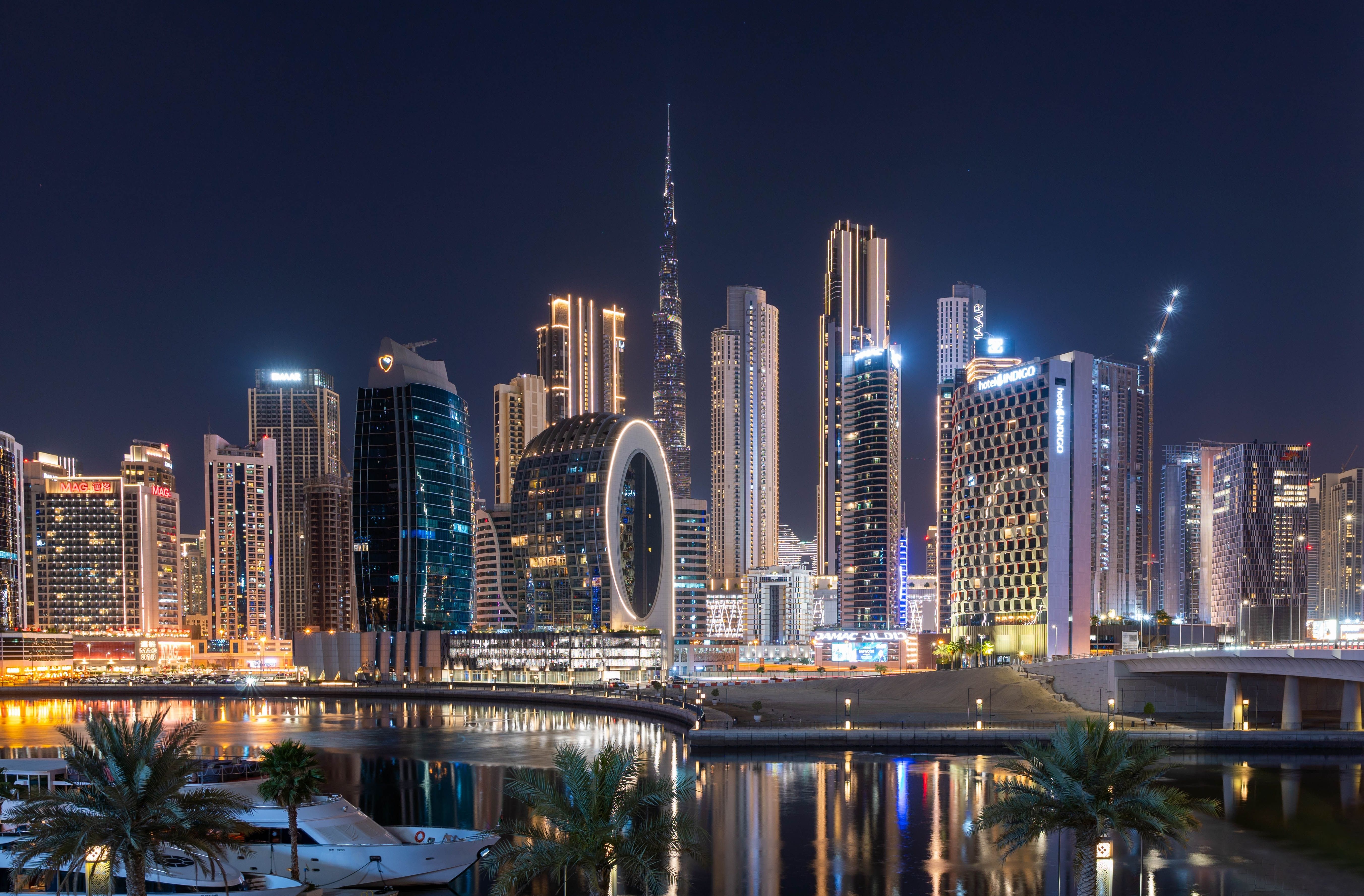
Dubai is not just reacting to this U.S. policy shift — it has been preparing for years with reforms that make it the natural beneficiary of global talent redirection.
While the U.S. raises barriers, Dubai lowers them:
For an ambitious professional priced out of the U.S., Dubai’s visa programs offer stability, long-term planning, and a pathway to building roots.
Every year, tens of thousands of skilled professionals compete for H-1B slots. With a $100,000 fee, many of these candidates will now actively seek alternatives. Dubai, with its openness and growing demand for expertise in tech, consulting, and logistics, will absorb much of this redirected talent.
Dubai’s economy is no longer just oil-linked. Investors will find growth in:
Tech and AI: Government-backed AI and innovation hubs.
Logistics & Aviation: Already a global hub, poised for further growth.
Real Estate: Driven by rising expat demand.
Tourism & Hospitality: Post-Expo momentum continues.
Finance & Consulting: Regional HQs shifting from Europe and U.S.
One of the strongest competitive advantages Dubai offers to investors compared to the U.S. and other developed markets is its pro-business ecosystem. While the U.S. is increasing barriers through costly immigration and rising operational expenses, Dubai continues to roll out reforms that make it easier, faster, and more profitable for companies to establish and grow.
0% Personal Income Tax
Unlike many Western economies where personal tax burdens erode profits, Dubai has zero personal income tax for residents. Thus, employees and entrepreneurs will enjoy more disposable income, the ability to save significant amounts, and greater attraction for global talent. For investors, it means easier talent acquisition and retention, as Dubai is seen as a highly attractive place for financial reward.
Multiple Free Zones with Full Foreign Ownership
Dubai has established over 30 specialized free zones, each oriented towards particular industries — from finance and technology (DIFC, Dubai Internet City) to logistics (JAFZA) and media (Dubai Media City). What's the key benefit? 100% foreign ownership. In many countries, foreign investors must partner with a member of the local community, however, Dubai free zones offer all operations, profits, and the ability to repatriate cash, at the ownership of foreign stakeholders. Such a competitive advantage is extremely rare globally and provides a significant pulling factor for foreign direct investment.
Rapid Company Setup Processes
Bureaucracy is quite often an impediment in international markets. However, Dubai offers various opportunities to bring companies into registration much quicker — in some instances, within a matter of several days. Digital portals and “one-stop-shop” governmental services streamline licensing, permitting, and compliance significantly better than in other financial centers. For investors, this lowers the barrier to entry and allows businesses to commence operations more quickly in a congested marketplace.
Strong Infrastructure & Regulatory Reforms
Dubai has a reputation for outstanding infrastructure, be it at its airports, ports, telecoms, or smart city approaches. However, in addition to physical infrastructure, changes to regulation are equally important.
In short, these changes unlock a business environment in which capital is safe, activity is efficient, and innovation is encouraged.Shape
Dubai sits at the crossroads of East and West. With 8-hour flights to two-thirds of the world’s population, it’s the ideal operational hub for firms looking to manage costs while staying connected globally.
For investors, this policy shift in the U.S. is more than news — it’s a market signal. Here are the top areas to watch:
A. Real Estate
The $100,000 H-1B fee will divert many professionals toward Dubai, fueling housing demand across rentals and ownership. With long-term visas like the Golden Visa, expats are now more inclined to settle rather than pass through. For investors, this means both strong rental yields and rising property values in the years ahead.
B. Startups & Venture Capital
Entrepreneurs formerly targeting Silicon Valley are now opting for Dubai, motivated by favorable tax conditions, simple establishment structures, and connectivity. Programs like Dubai Future Accelerators and DIFC FinTech Hive establish the city as an innovation hub in the region. For investors, this is an opportunity to support early-stage venture capital, which is now being seeded in Dubai, rather than California.Shape
C. Corporate Expansion
As hiring costs continue to rise in the United States, multinationals are moving their regional headquarters to Dubai and benefiting from its geography, cost and access to a global labor market. This has especially benefitted sectors such as consulting, IT, logistics, and healthcare, where Dubai has pro-business regulations, and can hire without immigration restrictions.
D. Infrastructure & Services
Increased population growth will create demand for schools, healthcare, and workspaces. International education, clinics, wellness centers, and coworking spaces will see rapid growth. Investors aren't simply doing a service for new arrivals, they are buying into the long-term growth of Dubai.Shape
When one market closes a door, another opens a gate. The U.S. may be making it harder to import talent, but Dubai is offering the opposite: a chance to anchor capital where talent is flowing.
This is not just about short-term gains. It’s about long-term positioning.
Demographics: Younger, mobile, and globally ambitious professionals will choose Dubai.
Policy Stability: The UAE has shown consistency in pro-business reforms.
Global Demand: As industries decentralize from the U.S., Dubai becomes the natural hub for Middle East, Africa, and South Asia.
The $100,000 H-1B visa fee is more than a policy tweak — it’s a signal.
It signals that the U.S. will prioritize local labor and make it harder for foreign talent to enter. It signals that global companies will face higher costs to operate there. It signals that professionals will look elsewhere for opportunity.
For investors, it also signals something else: Dubai is ready.
The $100,000 application fee significantly complicates companies' ability to onboard foreign professionals in the U.S. at mid-level or entry-level roles. This will drive skilled talent to look elsewhere, i.e., to far more welcoming markets like Dubai, Canada, and Singapore.
Dubai has been building a pro-talent ecosystem for years: Golden Visas, Green Visas, free zones that have full ownership, and no personal income tax. These pro-talent policies make Dubai an attractive option for many professionals facing outsized prices in the U.S.
The biggest opportunities are in:
As the U.S. simply raises barriers, Dubai is offering an opportunity-rich climate for business: fast commerce setup; impressive economic infrastructure; highly productive regulations; and full profit repatriation in the free zones of the unified Emirates government. This improves friction and ROI for investors.
Because conditions globally are improving: while the U.S. is disincentivizing foreign talent, Dubai is positively attracting foreign talent. This creates a surge in demand for housing, jobs, services, and innovation, and there is no better time than today for investors to enter.
Indian developers and institutional investors ready to enter Dubai's land market in 2026, Explore freehold plot zones, entry structures and legal frameworks.
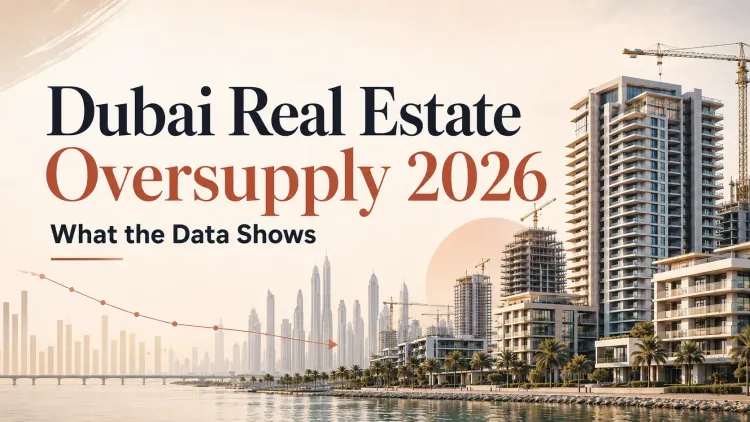
Dubai real estate pipeline data through 2030, understand where supply is concentrated and what it means for your investment strategy.

Downtown Dubai vs Dubai Hills Estate in 2026, the capital appreciation data, buyer pool shifts and why one community now wins for first time buyers.