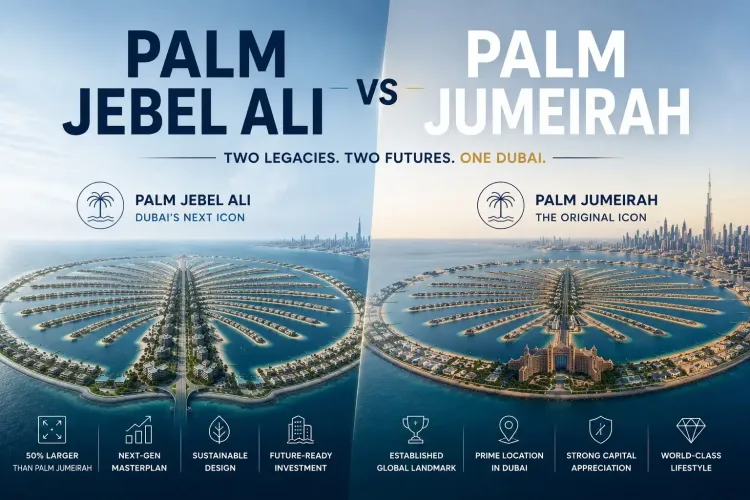
Palm Jebel Ali vs Palm Jumeirah: The Second Palm is the Better Trade
Palm Jebel Ali vs Palm Jumeirah 2026: which is the better buy? Villa pricing from AED 22M, frond ROI, and the trade Dubai's UHNWI buyers are making now.
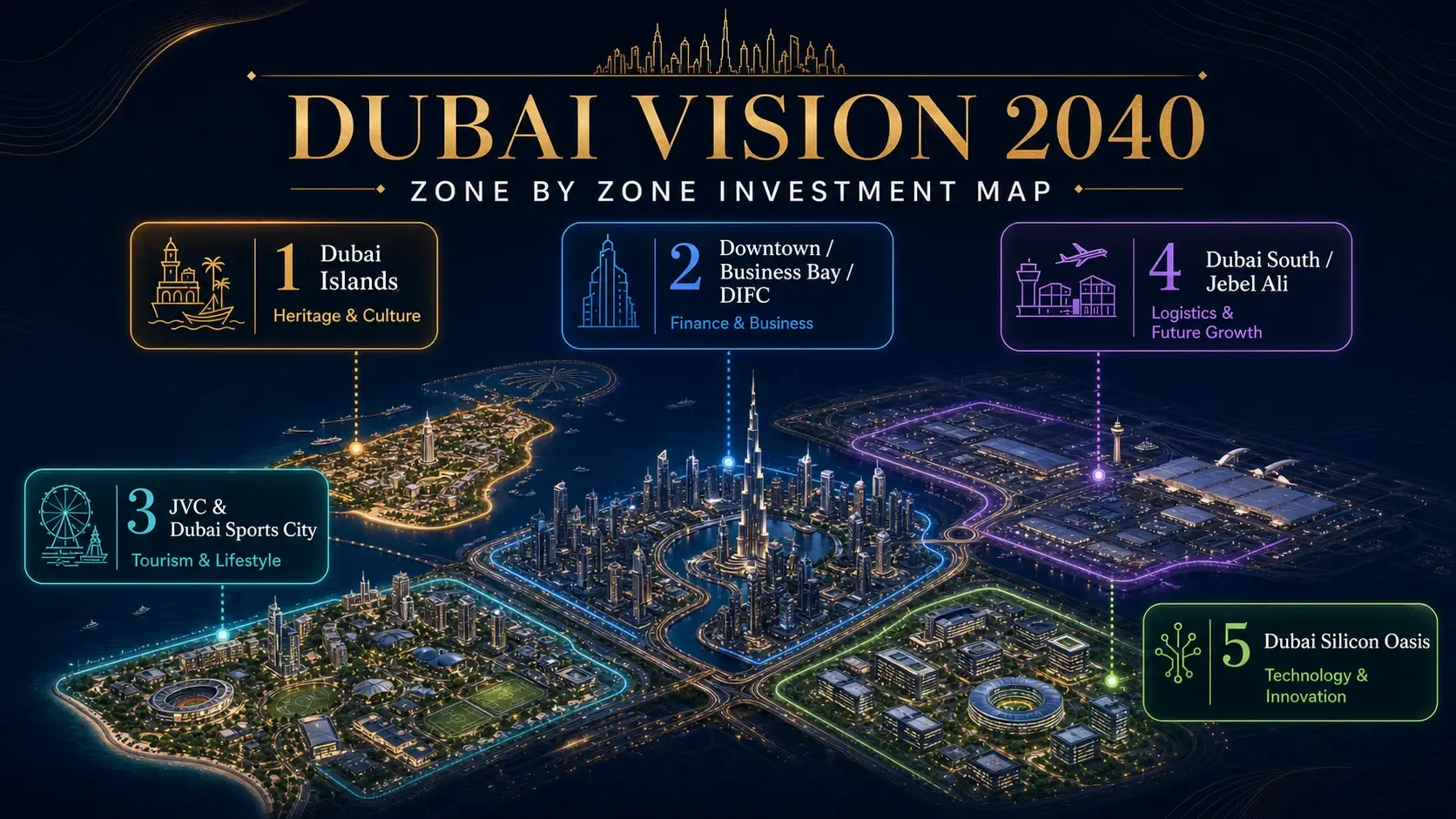

Dubai's population touched 4 million last year. By 2040, it is projected to reach 7.8 million. Tourism numbers are expected to double to 40 million annual visitors by 2029. Those numbers are not aspirational statements on a government website. They are backed by a spatial master plan called Vision 2040 that divides the city into five distinct zones - each designed to absorb a specific slice of that growth. For Indian institutional investors, family offices, and developers evaluating where to deploy capital, this framework is not background reading. It is the starting point for every allocation decision.
Zone 1 covers the historic core of Dubai and its waterfront extensions. The headline opportunity here is Dubai Islands - a 17-square-kilometre Nakheel development across five interconnected islands projected to house 38,000 homes and 87 resorts. Plot prices range from AED 400 to 700 per square foot depending on proximity to the beachfront.
Maritime City, also in Zone 1, has sold 86% of its plots. Limited residential land remains, but commercial plots start at AED 300 per square foot. For Indian investors interested in waterfront apartments in Dubai or hospitality-linked developments, Zone 1 is the premium play.
Zone 2 encompasses Downtown Dubai, DIFC, and Business Bay - the commercial and financial centre of the city. Business Bay offers developers a floor area ratio of up to 48 with plot prices starting at AED 650 per square foot. Downtown Dubai apartments command the highest rents and resale values in this zone.
The less obvious opportunities sit in Jumeirah Garden City and Jaddaf. Jumeirah Garden City offers freehold residential plots at AED 400–750 per square foot with G+8 zoning - centrally located off Sheikh Zayed Road. Jaddaf, a waterfront hub between Downtown and Festival City, prices plots at AED 280–600 per square foot. It will house the Urban Tech District, projected to create 4,000 jobs by 2030.
For Indian developers accustomed to building mid-rise residential projects, Jaddaf and Jumeirah Garden City offer familiar project profiles at accessible land costs within a premium catchment area.
Palm Jumeirah anchors the premium segment of this zone, with limited residential plots starting at AED 1,500 per square foot. The affordable segment - JVC, Al Furjan, Motor City, Arjan, Dubai Sports City - offers plots at AED 250–500 per square foot and delivers among the highest rental yields in the city.
For Indian investors focused on apartments for rent in Dubai as a pure income strategy, Zone 3's affordable communities offer the best rent-to-price ratios. JVC in particular, despite concerns about future supply, continues to sell out new launches because the demand for affordable, well-located one-bedroom and studio apartments in Dubai remains structurally strong.
This zone is where the most significant long-term value creation will occur. Dubai South, a 145-square-kilometre master-planned zone centred on Al Maktoum Airport, offers residential plots at AED 380–850 per square foot. Palm Jebel Ali currently sells individual villa plots at AED 3,500 per square foot - residential tower development opportunities are expected to follow.
Madinat Al Arab, positioned near Palm Jebel Ali, offers an interesting play for developers willing to phase construction over a longer timeline. Plot prices start at AED 270 per square foot. For Indian construction families comfortable with patient capital, this corridor offers the most attractive combination of low entry cost and long-term infrastructure tailwinds.
Dubai Silicon Oasis anchors Zone 5 as a smart free zone combining residential, commercial, and technology business hubs. Plot prices range from AED 350–800 per square foot. For Indian IT firms and technology investors already comfortable with SEZ-style developments, DSO offers a familiar operating model within a more mature and transparent regulatory framework.
Each zone supports a different layer of Dubai's growth - and a different investment thesis. Premium capital goes to Zones 1 and 2. Yield-focused capital goes to Zone 3. Growth capital goes to Zone 4. Innovation-linked capital goes to Zone 5. The Indian family offices generating the strongest returns in Dubai are the ones that allocate across multiple zones rather than concentrating in a single community.
For zone-specific investment guidance and plot sourcing, reach out to Seema Balwani at Xperience Realty:- seema.b@xrealty.ae
Palm Jebel Ali vs Palm Jumeirah 2026: which is the better buy? Villa pricing from AED 22M, frond ROI, and the trade Dubai's UHNWI buyers are making now.
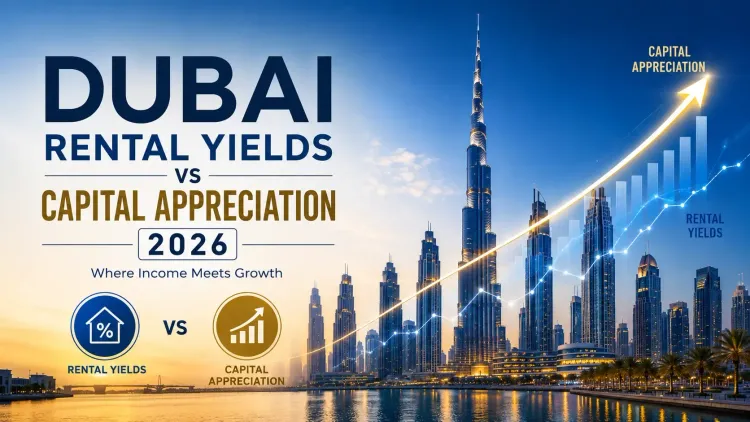
Compare Dubai rental yields and capital appreciation in 2026. Learn how yield, growth and liquidity shape total returns across communities.
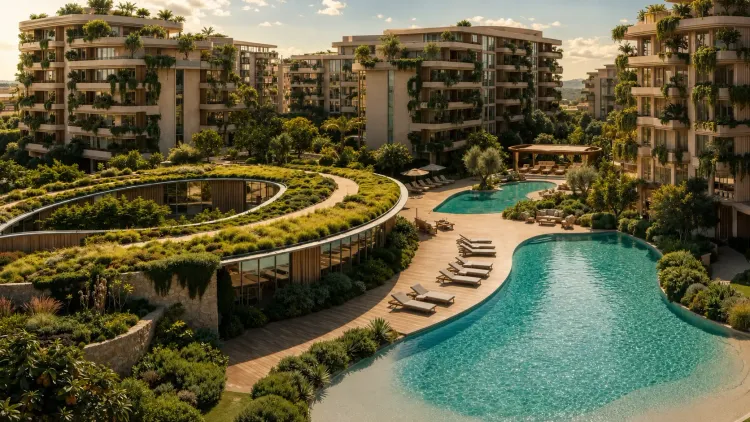
Arancia The Yards by Beyond launches in City of Arabia from AED 1.1M, with a 40/60 plan and Q1 2029 handover. Explore prices and investment potential.