Why Dubai Is a Top Global Investment Hub in 2025

Dubai’s extraordinary rise from a small desert port to a global metropolis is the product of strategic leadership and long-term planning. With a population of just 60,000 in 1961, Dubai today boasts 4 million residents and is recognized as one of the world’s top business hubs. But what has fueled this success, and how can investors benefit from Dubai’s remarkable growth story?
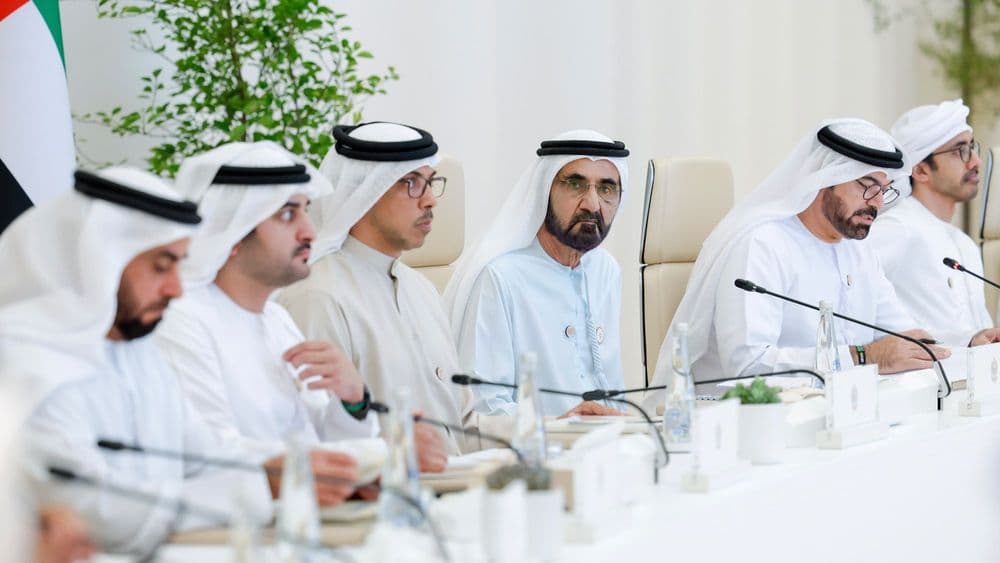
At the core of Dubai’s success is its visionary leadership, which has consistently recognized the city’s unique position as a strategic bridge between East and West. The rulers of Dubai understood the city’s natural advantage as a key point in global trade routes. By capitalizing on its location, Dubai was able to attract foreign traders, becoming a recognized global trading hub.
This foundation of international trade took a huge leap forward in 1894 when Dubai introduced a complete tax exemption for foreign traders, encouraging an influx of global commerce. In 1966, when oil was discovered, Dubai’s economic trajectory shifted, but the leadership didn’t rely solely on this newfound wealth. By the 1970s, Dubai’s leaders already understood the necessity of diversification. Oil wealth would not be a permanent asset—therefore, investments were made across multiple sectors including aviation, tourism, trade, logistics, finance, and infrastructure.
Key Takeaways:
- Diversification Beyond Oil: The city’s long-term strategy of diversification in trade,aviation, tourism and infrastructure has turned Dubai into a hub for global business.
- Forward-Thinking Leadership: The introduction of policies like tax exemptions for foreign traders in 1894 and large-scale investments in infrastructure in the 1960s and 1970s laid the groundwork for Dubai’s expansion.
- Sustainable Growth: Dubai’s economic model now relies less on oil, with oil contributing less than 1% to its GDP, thanks to its diversification strategy.
Today, Dubai’s real estate market is a reflection of this history. With bold policies like the Golden Visa, 100% foreign ownership and the development of world-class infrastructure, Dubai continues to foster growth in multiple sectors. For real estate investors, understanding Dubai’s leadership model is key to seeing its potential as a market built for long-term success.
Frequently Asked Questions
Dubai’s growth stems from early tax-free trade, strategic location and diversification beyond oil into tourism, aviation and real estate.
Yes. Dubai offers high rental yields, no property tax, 100% foreign ownership and strong infrastructure—ideal for long-term investors.
Visionary policies, stable governance, and long-term planning have built investor trust and sustained economic growth.
Read More
Why Waiting to Buy Dubai Property Is Costing Investors Millions

What Prime Minister Modi's "Second Home" Remark Really Says to Indians Eyeing Dubai

Dubai First-Time Home Buyer Programme Explained by a Broker