
How Indian Developers and Institutional Investors Can Enter Dubai's Land Market in 2026
Indian developers and institutional investors ready to enter Dubai's land market in 2026, Explore freehold plot zones, entry structures and legal frameworks.
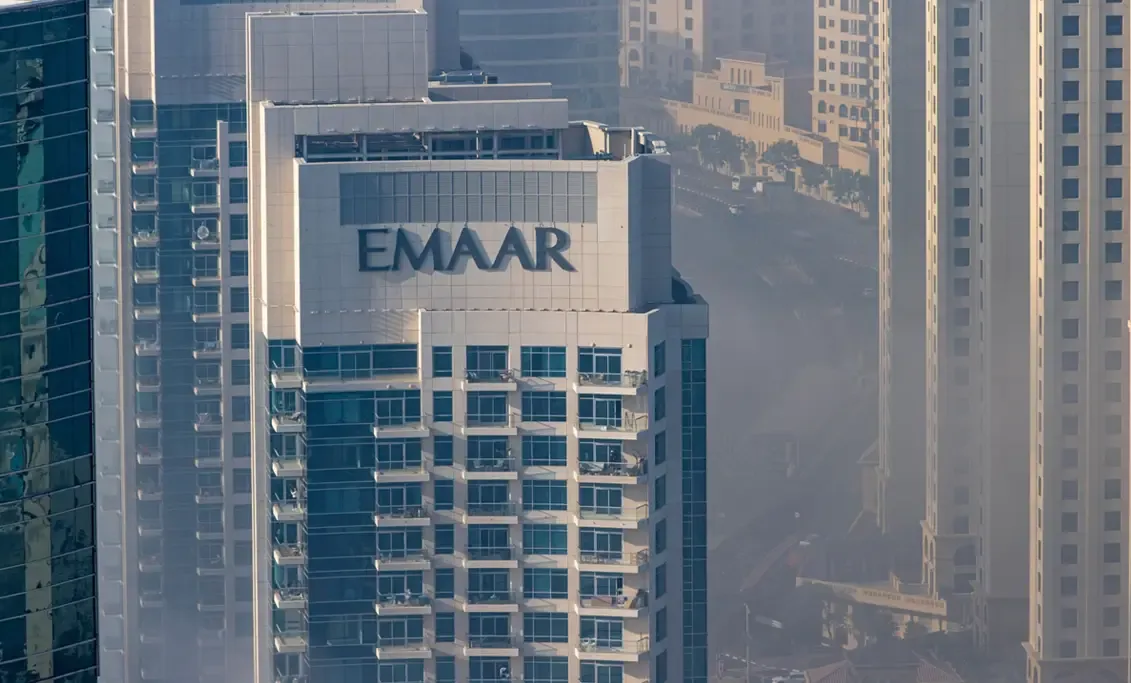
On September 14, 2025, The Financial Times reported that Emaar Properties, Dubai’s largest and most influential developer, is actively exploring mergers and acquisitions in major global markets including India, the United States, China, and Europe. This bold move is a reflection of Dubai’s maturity as a global real estate hub and a signal of the city’s next growth chapter.
As someone who has worked closely with Emaar for years, and as a senior property advisor who has won multiple Emaar awards, I view this expansion as a pivotal milestone with significant implications for investors, homeowners, and for the Dubai property market at large.
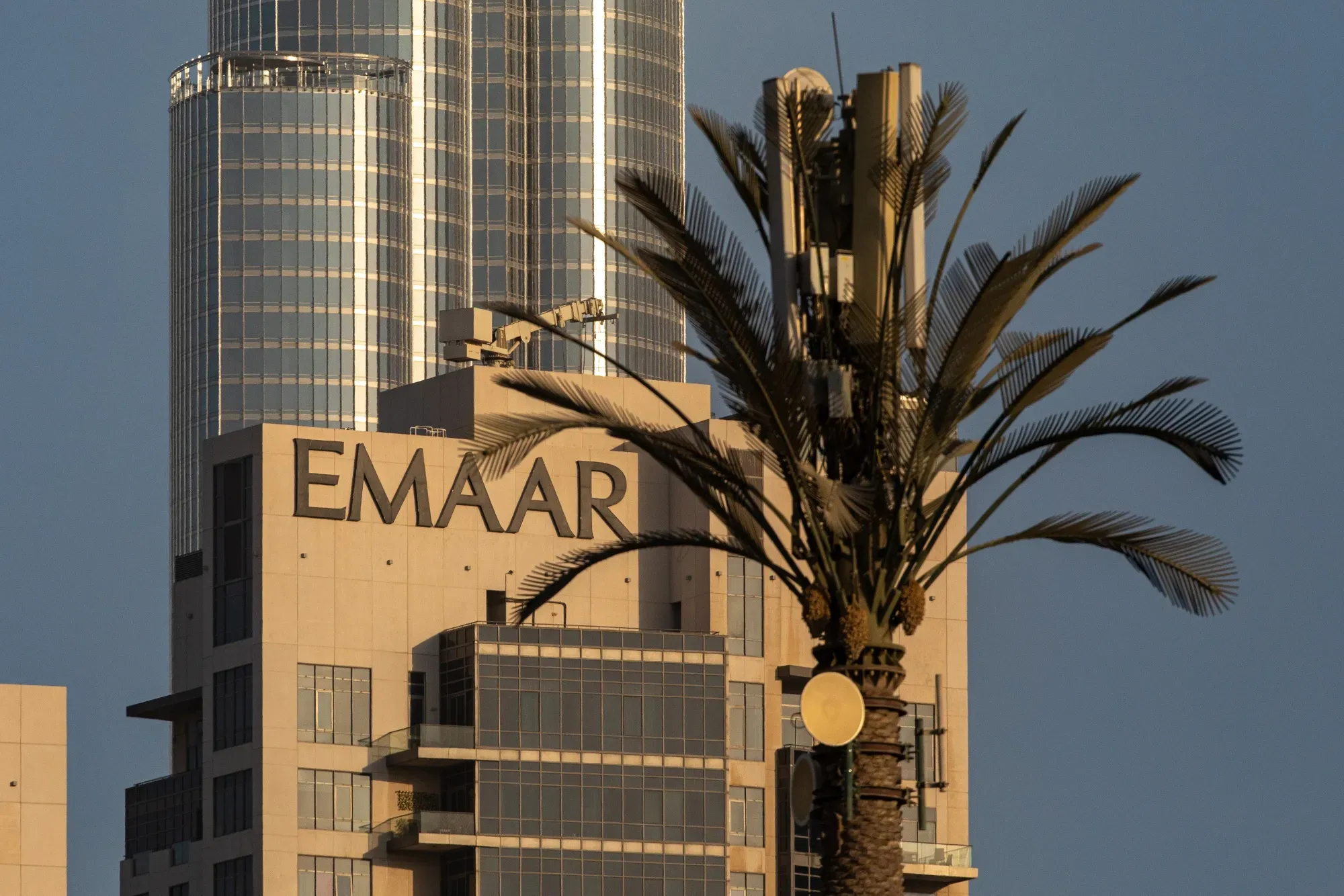
Emaar has built its reputation through landmark developments like the Burj Khalifa, Downtown Dubai, Dubai Creek Harbour, etc. consistently pushing what’s possible, both in scale and inprestige. By stepping more aggressively into M&A in established foreign markets, they are not just exporting individual real estate assets, they are exporting Dubai’s development philosophy: high standards, luxury, master planning, sustainability, and a willingness to innovate in mixed-use, infrastructure, and lifestyle communities.
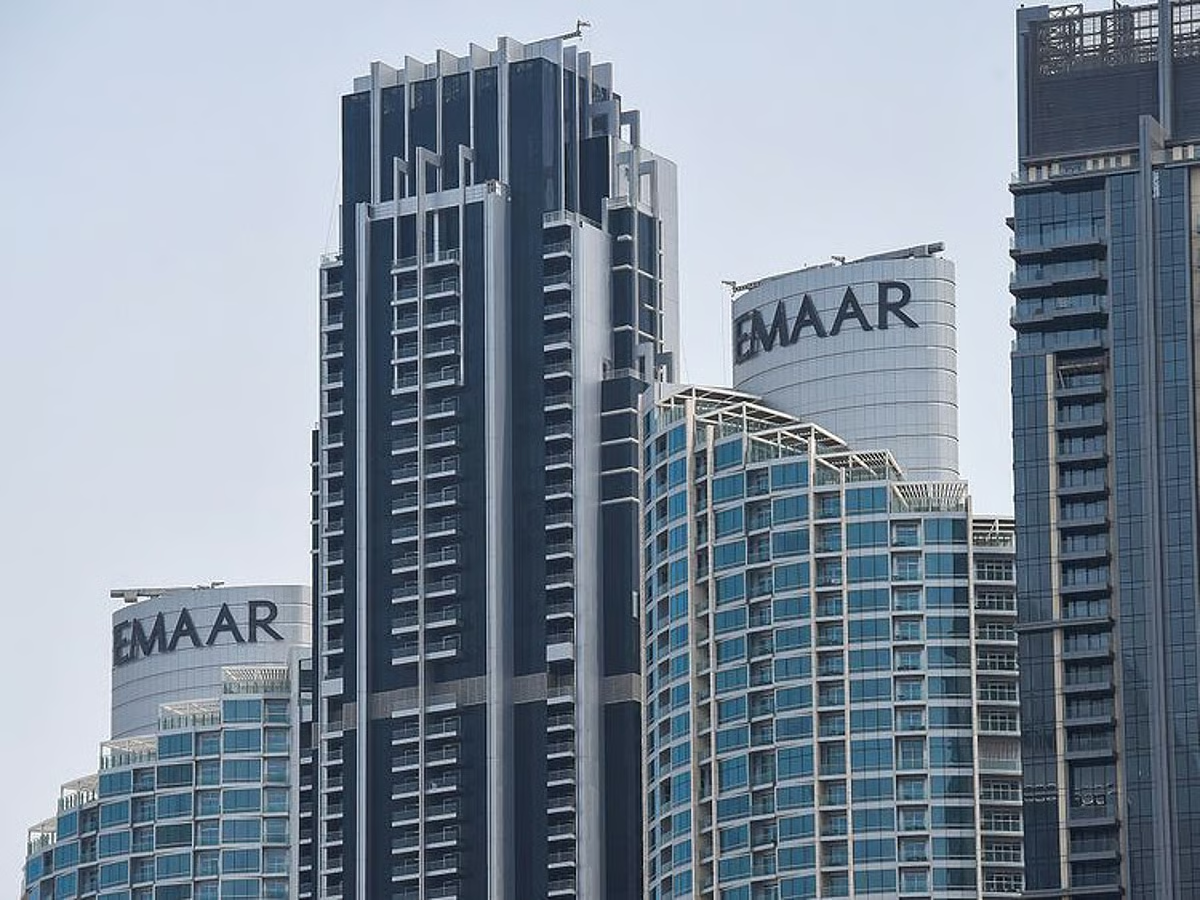
Emaar’s international expansion will have multiple ripple effects in Dubai’s property market. Some of the most important:
| Area | Implication |
|---|---|
| Investor Confidence | Global expansion strengthens Emaar’s reputation. Investors (local and foreign) see a company with strong eyeballs abroad as less risky, more diversified revenues, less exposure to just one market. This tends to push demand even higher for Emaar’s projects in Dubai. |
| Increased Demand in Dubai | As Emaar’s brand value grows overseas, more investors abroad will look back to Dubai projects as "flagship" assets. The prestige factor matters, a development by the company that built Burj Khalifa resonates globally. |
| Market Stability & Lower Volatility | Emaar diversifying its revenues (geographically and by project type) helps cushion against local downturns. When you’re only in one region, regulatory, demand or macroeconomic shifts there hit everything; with spread, some adverse shocks may be mitigated. |
| Off-Plan Segment Strength | Dubai’s off-plan sales have been surging. Emaar’s stronger balance sheet and increased revenue backlog makes them confident in launching ambitious off-plan projects. More inventory, more variety, but also more competition among developers. |
| Pricing Pressure & Supply Dynamics | With demand rising (both local and foreign), and with constraints in ready inventory, prices are rising fast. But with Emaar scaling globally, there may also be more capital flowing in, more supply over time, but the premium for prime locations, villas, luxury, master-planned communities is likely to continue to rise. |
| Metric | Details |
|---|---|
| H1 2025 Property Sales & Revenue Growth | Emaar’s property sales rose 46% YoY in H1 2025, reaching AED 46 billion (USD 12.5 billion). |
| Net Profit Before Tax | Increased 34% in H1 2025 compared to the same period in 2024. |
| Revenue Backlog | AED 146.3 billion as of June 30, 2025 (up 62% YoY),indicating strong future revenue visibility. |
| Land Bank | Emaar holds 1.7 billion sq. ft of land globally. |
| Population & Transaction Trends | In H1 2025, Dubai real estate transactions totaled AED 431 billion across 125,000 transactions. |
| Capital Value Growth | Residential property prices in Dubai have been rising steeply, reflecting strong demand and limited supply. |
Given my deep experience with Emaar projects and being recognised through multiple awards, these developments are more than background noise, they shift the landscape in ways I can use to benefit my clients:
Dubai is no longer just competing regionally, it is setting benchmarks for the world. With Emaar’s expansion, the city isn’t only exporting towers and communities, it is exporting its vision of growth. I see this as a moment of pride and opportunity.
For those considering entering Dubai’s real estate market, especially with Emaar, the timing could not be better. With Emaar stepping onto the global stage, the value of owning in Dubai just gained another dimension.
Emaar’s expansion into India, the US, China, and Europe boosts investor confidence in Dubai real estate. It diversifies revenue, enhances global brand value and increases demand for Emaar’s off-plan and luxury properties in Dubai.
Yes. With Emaar reporting a 46% surge in property sales in H1 2025 and holding a revenue backlog of AED 146.3 billion, Dubai investors benefit from strong demand, rising prices, and long-term value in Emaar projects.
Emaar owns 1.7 billion sq.ft of land globally, including 261 million sq.ft in India. This large land bank ensures financial stability, supports future growth and strengthens investor trust in Dubai real estate.
Emaar’s financial strength and global expansion support ambitious off-plan launches. Investors prefer Emaar off-plan properties in Dubai for flexible payment plans, rising capital values, and the brand’s global prestige.
Indian developers and institutional investors ready to enter Dubai's land market in 2026, Explore freehold plot zones, entry structures and legal frameworks.
Dubai real estate pipeline data through 2030, understand where supply is concentrated and what it means for your investment strategy.
Downtown Dubai vs Dubai Hills Estate in 2026, the capital appreciation data, buyer pool shifts and why one community now wins for first time buyers.