
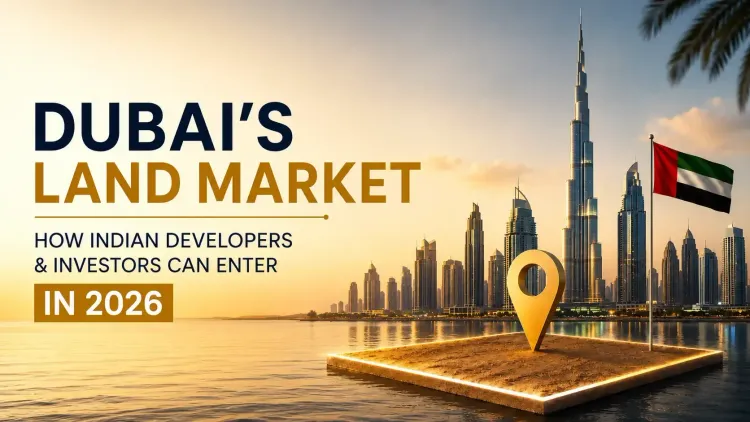
How Indian Developers and Institutional Investors Can Enter Dubai's Land Market in 2026
Indian developers and institutional investors ready to enter Dubai's land market in 2026, Explore freehold plot zones, entry structures and legal frameworks.
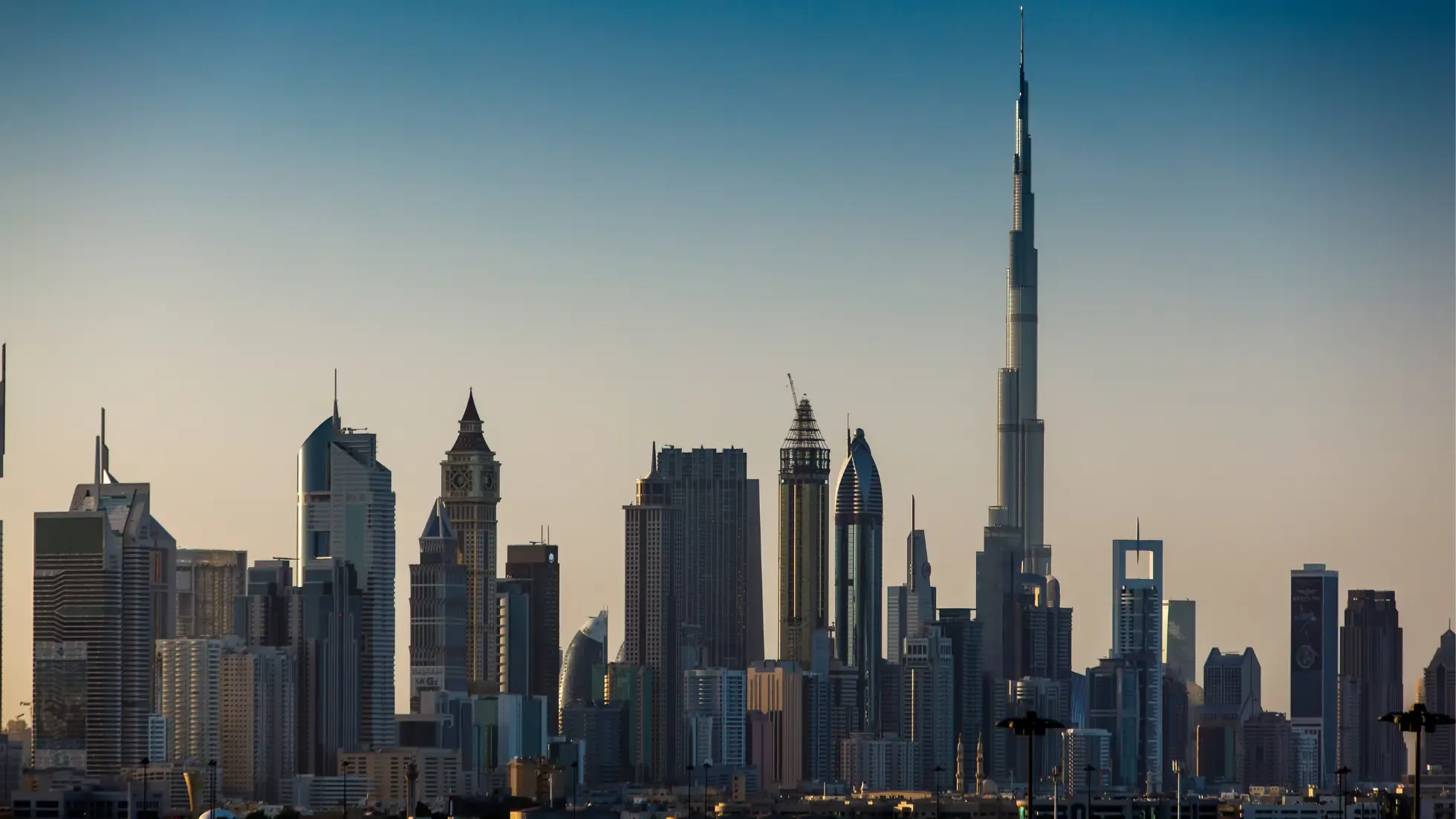
Dubai has firmly established itself as a premier destination for affluent individuals worldwide, achieving a remarkable milestone by ranking as the fourth wealthiest city in the Europe, Middle East and Africa (EMEA) region as of June 2025. The city is home to 86,000 millionaires high-net-worth individuals (HNWIs) with investable assets exceeding $1 million placing it just behind established financial centers such as London, Paris, and Milan. This achievement reflects Dubai’s deliberate strategy of economic diversification, visionary urban planning and a commitment to fostering an environment conducive to wealth creation and preservation.
Historically, Dubai’s transformation from a modest trading port in the early 20th century to a glittering global metropolis began accelerating in the 1960s with the discovery of oil reserves. Recognizing the finite nature of hydrocarbon resources, Dubai’s leadership pivoted toward non-oil sectors such as tourism, real estate, and finance. Today, this forward-thinking approach underpins the city’s wealth surge, attracting international capital and retaining it through innovative policies and world-class infrastructure. Amid global economic uncertainties, Dubai has emerged as a resilient and adaptive hub for investors seeking stability and growth.
As of June 2025, Dubai’s financial landscape illustrates robust prosperity and a growing ultra-wealthy population. Data from leading wealth intelligence firms highlight the city’s appeal to global investors:
These figures not only quantify Dubai’s economic vitality but also highlight the city’s ability to attract wealthy migrants from regions such as Europe and Asia, with an estimated 9,800 new millionaire arrivals expected in 2025 alone.
Dubai’s rapid ascent in global wealth rankings results from a combination of strategic initiatives that foster a fertile ecosystem for prosperity. Key drivers include:
Situated at the crossroads of Europe, Asia, and Africa, Dubai serves as a natural conduit for international trade and logistics. With world-class ports like Jebel Ali, the largest man-made harbor globally, and Dubai International Airport handling over 90 million passengers annually, the city supports seamless trade flows. Dubai’s geographic advantage has enabled its evolution into a re-export and business hub, generating substantial economic value.
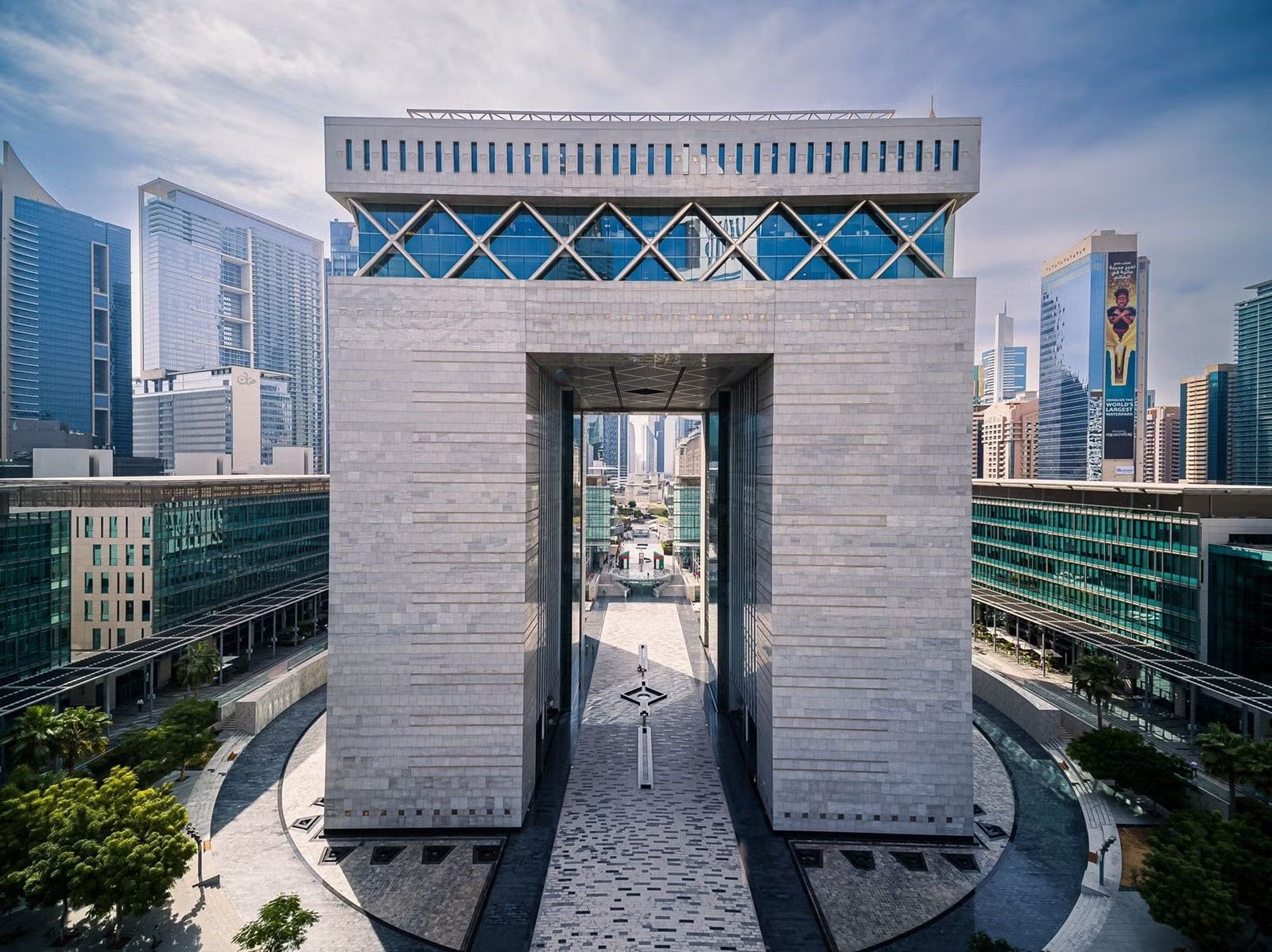
Dubai’s regulatory framework and fiscal incentives are central to attracting global investors. The absence of personal income tax, along with a corporate tax rate of 9% introduced in 2023, encourages both multinational corporations and startups. Initiatives like the Dubai Golden Visa provide long-term residency for investors, entrepreneurs, and skilled professionals. Free zones such as the Dubai International Financial Centre (DIFC) allow 100% foreign ownership and full profit repatriation, minimizing bureaucracy and maximizing investor confidence.
Investments exceeding hundreds of billions of dirhams in transportation, telecommunications, and utilities have created a seamless urban fabric. The Dubai Metro, Etihad Rail network, and extensive road systems ensure efficient mobility, while 5G connectivity and smart city technologies enhance business operations across fintech, logistics, and e-commerce sectors.
Dubai rivals the world’s top cities in healthcare, education, and lifestyle amenities. Institutions such as Cleveland Clinic Abu Dhabi and international schools offering UK, US, and IB curricula cater to expatriate families. Luxury shopping at The Dubai Mall and cultural experiences like the Louvre Abu Dhabi outpost foster a cosmopolitan lifestyle that retains talent and capital.
Dubai’s governance emphasizes rule of law, anti-corruption initiatives, and sustainable development, providing a secure environment for long-term investments. Programs such as the Dubai Economic Agenda D33, which aims to double the economy by 2033, reinforce investor confidence and attract HNWIs seeking safe havens.
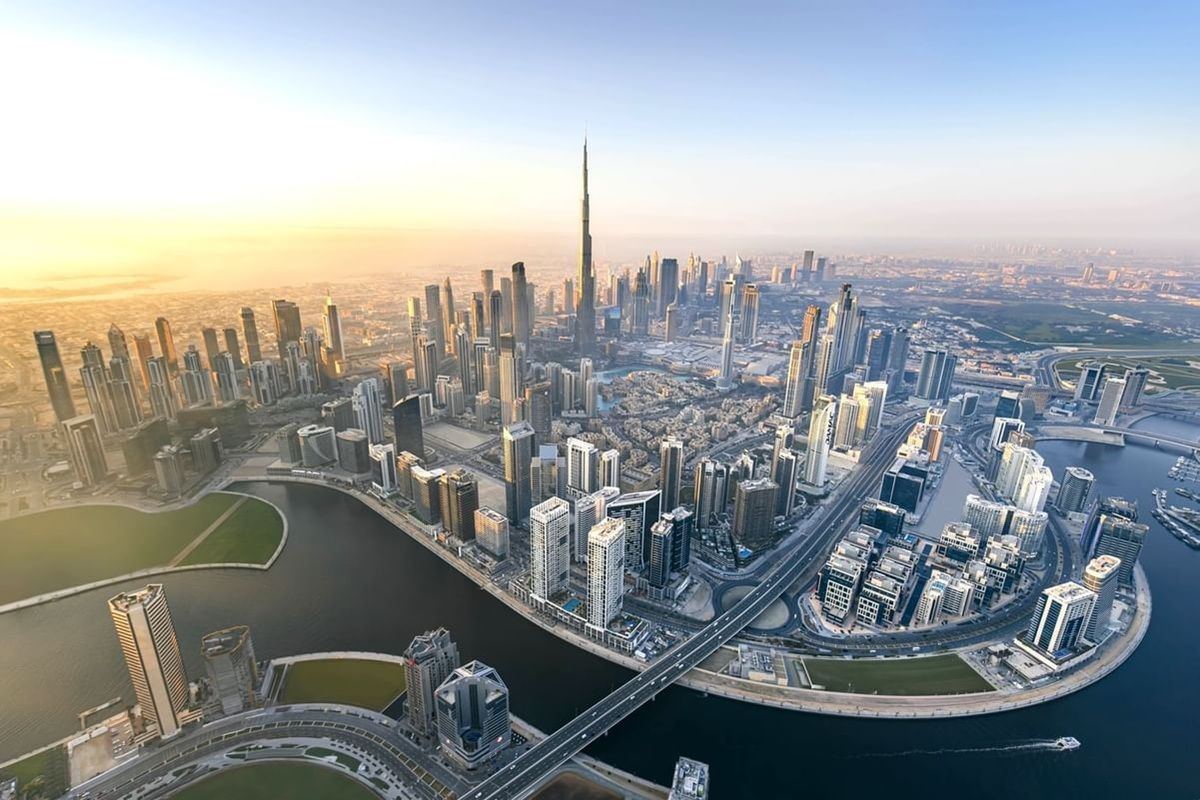
While Dubai’s achievements are impressive, it ranks behind the leading EMEA cities in millionaire populations:
Despite being fourth, Dubai’s growth rate outpaces its peers, with a 12% year-on-year increase in HNWIs. Analysts project that with continued diversification into AI, blockchain, and green energy, Dubai could surpass these cities to claim the top spot in EMEA by 2040. Centi-millionaire populations are expected to rise by 150% across the UAE during this period. Globally, cities like New York and Singapore remain ahead, yet Dubai’s unique combination of Eastern accessibility and Western sophistication positions it for rapid convergence.
Dubai’s wealth is concentrated in exclusive residential enclaves offering privacy, amenities, and strong investment potential.
Dubbed Dubai’s Beverly Hills, this gated community features opulent villas valued at AED 50 million+, manicured landscapes, and exclusive access to the Emirates Golf Club. Residents enjoy leisure, privacy, and networking opportunities.
This iconic man-made island hosts ultra-luxury villas and apartments with private beaches, attracting celebrities and global tycoons. Property prices average AED 10,000 per square foot, supported by developments like Atlantis, The Palm and ongoing waterfront expansions.
At the city’s epicenter, Downtown Dubai surrounds the Burj Khalifa and offers residences with panoramic views and direct access to The Dubai Mall. This district combines urban vibrancy with luxury living, appealing to both young professionals and established HNWIs.
Other prominent enclaves include Dubai Marina, known for its yacht-lined waterfront, and Emirates Living, a family-oriented extension of Emirates Hills. Together, these neighborhoods drive Dubai’s real estate market, attracting wealth and preserving investment value.
Dubai’s trajectory in wealth accumulation is set to accelerate further, underpinned by forward-thinking governance and strategic economic initiatives. The Dubai 2040 Urban Master Plan prioritizes happiness, sustainability, and smart city development, while the expansion of fintech and AI-focused free zones positions the city to attract even more international capital.
From an investor’s standpoint, these developments signal a fertile environment for wealth creation. As global HNWI migration intensifies, Dubai is projected to emerge as the top destination for high-net-worth individuals by 2025, with liquid assets potentially doubling by 2033 under the D33 agenda. While considerations such as sustainability and inclusivity remain important, Dubai’s consistent track record demonstrates its ability to navigate challenges effectively.
In my view, Dubai’s rise as a global wealth powerhouse is not merely a statistic, it represents a strategic opportunity for investors seeking stability, growth, and long-term value. By 2040, the emirate is poised to set a new benchmark for urban affluence, offering a model of prosperity that is both forward-looking and inclusive, making it a compelling destination for both capital and vision.
Dubai is rapidly emerging as a global wealth hub due to its tax-friendly policies, strategic location, robust infrastructure and investor-friendly regulations. With 86,000 millionaires, 251 centi-millionaires and 23 billionaires as of 2025, the emirate attracts wealthy individuals from Europe, Asia and beyond. Incentives like the Dubai Golden Visa and the D33 economic agenda further strengthen its position as a premier destination for high-net-worth individuals (HNWIs).
Dubai’s wealth is concentrated in exclusive luxury communities such as:
These neighborhoods offer high rental yields, strong capital appreciation, and world-class lifestyle amenities, making them the best choices for Dubai real estate investors.
As of June 2025, Dubai is home to 86,000 millionaires, including 251 centi-millionaires with assets above $100 million and 23 billionaires. This wealth surge represents a 12% year-on-year increase, positioning Dubai as the fourth wealthiest city in the EMEA region, behind London, Paris, and Milan. Analysts project that by 2040, Dubai could surpass its peers to become the leading city for wealthy residents.
Dubai offers tax-free income, long-term residency through the Golden Visa, and access to world-class infrastructure and lifestyle amenities. Its strategic geographic location at the crossroads of Europe, Asia and Africa enhances global connectivity. Combined with political stability, robust real estate opportunities and forward-looking initiatives like the Dubai 2040 Urban Master Plan, Dubai stands out as one of the most compelling destinations for wealth management and property investment.
Indian developers and institutional investors ready to enter Dubai's land market in 2026, Explore freehold plot zones, entry structures and legal frameworks.
Dubai real estate pipeline data through 2030, understand where supply is concentrated and what it means for your investment strategy.
Downtown Dubai vs Dubai Hills Estate in 2026, the capital appreciation data, buyer pool shifts and why one community now wins for first time buyers.