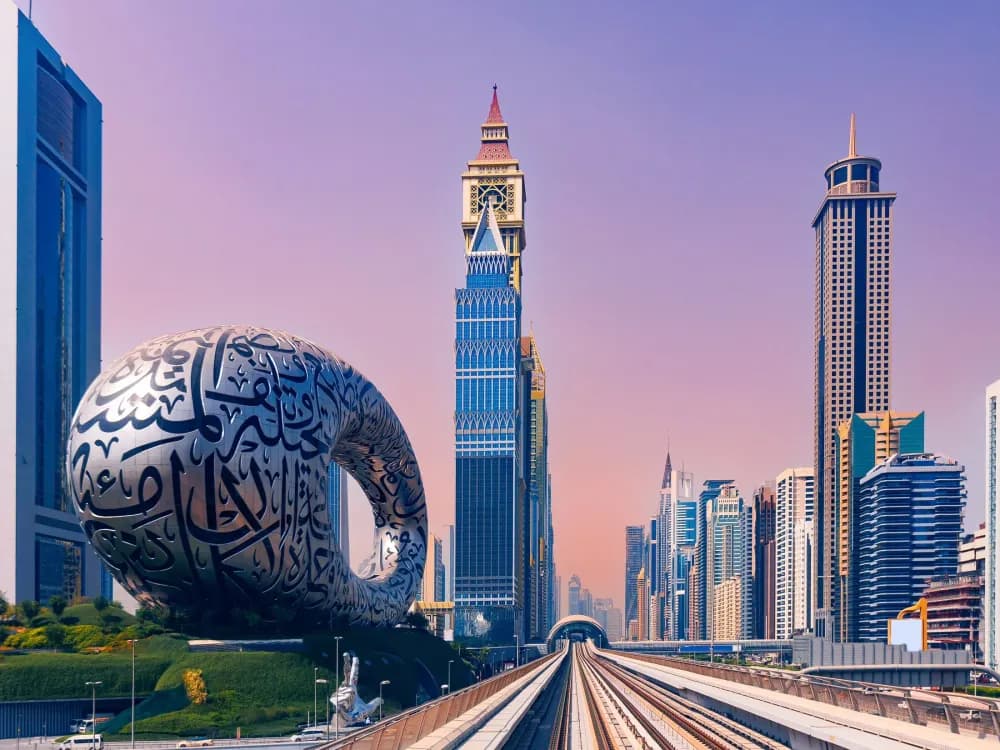
Dubai Real Estate 2025: From Policy to Profits

Table of Contents
We all may speak different native languages, but we all agree with one thing, when governance works, everything works. A well governed city can rise through the global ranks and bring prosperity and success to its citizens. At the same time, a badly governed one can wipe off generations of handwork and wealth.
Dubai is a poster child for good leadership. From a humble desert port with a population of just 60,000 in 1961, to a global metropolis of 4 million people today. It is a success story for the books.
But here’s the real question:
- What’s that one main thing that has helped Dubai real estate grow?
- How has this secret ingredient shaped the economic and business landscape?
- How does all this connect to real estate?
- And most importantly, how should you as an investor analyse any real estate market, including Dubai?
It is a deep dive into the policies, strategies and network effects shaping the future. The goal is to help you assess Dubai as an investment opportunity.
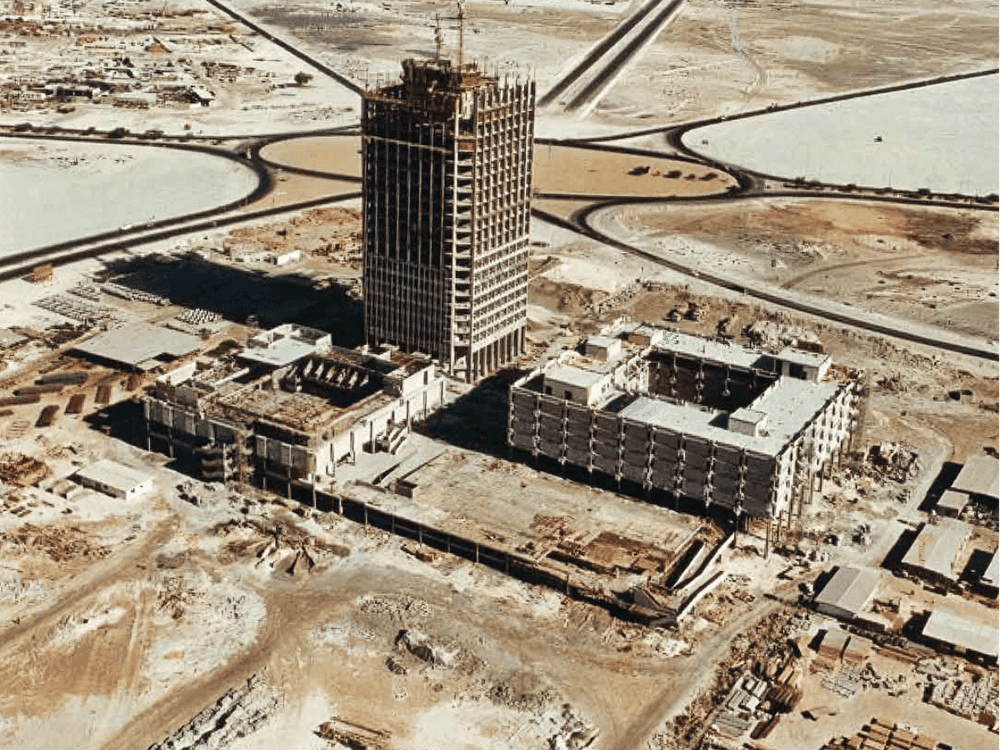
Dubai's Strategic Evolution
Back in the 1800s, Dubai was a coastal village thriving on fishing and pearl diving. Early rulers understood the city's strategic location as a bridge between East and West, leveraging it for global trade.
- In 1894, Dubai granted complete tax exemption to all foreign traders, attracting a massive influx and establishing itself as a global trading hub.
- In 1966, oil was discovered, and by 1969, Dubai began export of this variable commodity we all know as Black Gold.
However, by the 1970s, Dubai's leaders understood that oil wouldn’t last forever. They invested surplus revenues to create a diversified economy, betting on: Trade, aviation, tourism, infrastructure, finance and logistics.
Major developments included:
- Dubai Creek expansion and Port Rashid (1972)
- Dubai World Trade Centre and Jebel Ali Port (1979)
- Emirates Airlines (1985)
- Heavy investments in education and healthcare
- Today, oil contributes less than 1% to Dubai’s GDP.
7 Pro-Business Policies Driving Dubai's Boom
Golden Visa Program
Introduced in 2019, this provides long-term residency to investors, retirees and skilled professionals. It has encouraged thousands to make Dubai their home.
100% Foreign Business Ownership
Until recently, setting up a business outside free zones meant that 51% of business ownership had to be with a local partner in UAE. But In 2021, foreigners can own businesses outside free zones, without a local partner – a game-changer for global entrepreneurs.
Robust Free Zones
- Dubai has 26 free zones offering:
- 100% profit and capital repatriation
- 0% customs duties
- Sector-specific support and networking
Public-Private Partnerships (PPP)
The massive Dubai South transformation is one example, integrating:
- Al Maktoum International Airport
- Jebel Ali Port
- Etihad Railways
- Residential & industrial hubs
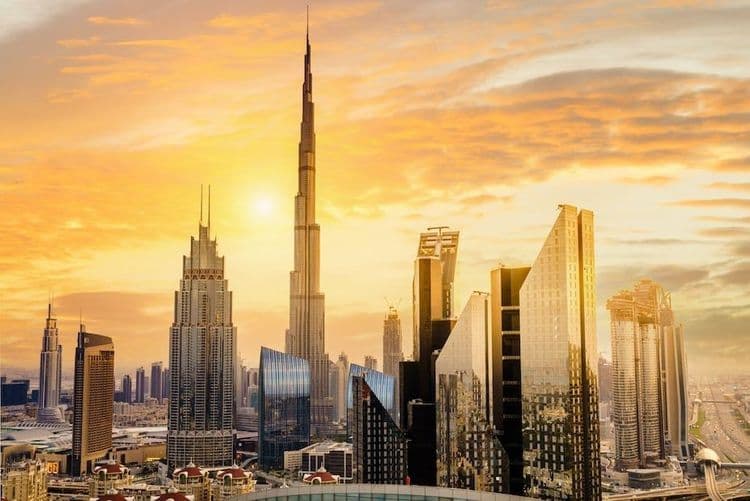
Events & Exhibitions
- Expo 2020 attracted 25M+ visitors
- Dubai World Trade Centre hosted 2.65M participants and 59,000 exhibitors in 2024
Entrepreneurship Ecosystem
With entities like Dubai Future Foundation, Startup Hub and Mohammed Bin Rashid Innovation Fund, Dubai leads in AI, biotech, Web3 and more.
9% Corporate Tax
Implemented in 2023, among the lowest globally, reflecting a strategic and competitive tax regime.
The Results: Dubai's Macroeconomic Performance
- GDP Growth: UAE's real GDP grew by 3.8% compared to 2023; projected 4.7% in 2025, which is 1.6% points higher than the expected global GDP growth rate of 3.1%
- Non-oil GDP: +4.5% in 2024, reflecting strong economic diversification
- Fiscal Balance: +5% surplus (vs MENA avg. -5.1%)
- Inflation: Stable at 1.7%, vs global avg. 5.7%
- FDI: $30.7 B (2024) from $22.7 B in 2022 (+35% YoY), Ranked 2nd globally in greenfield FDI
Dubai Business Landscape: Explosive Growth
- 405,000 companies in 2020 to 1.02M by mid-2024 (152% growth)
- 70% of Fortune 500 firms have regional HQs in Dubai
- 90% of UAE scale-ups are Dubai-based
Dubai has built lasting economic momentum without relying on oil or subsidies.
Real Estate: The Ripple Effect of Governance
Residential Property Transactions: 2019: 35,926 to 2024: 169,591 (+370%)
Commercial Property Transactions: 2019: 5,380 to 2024: 10,809 (+100%)
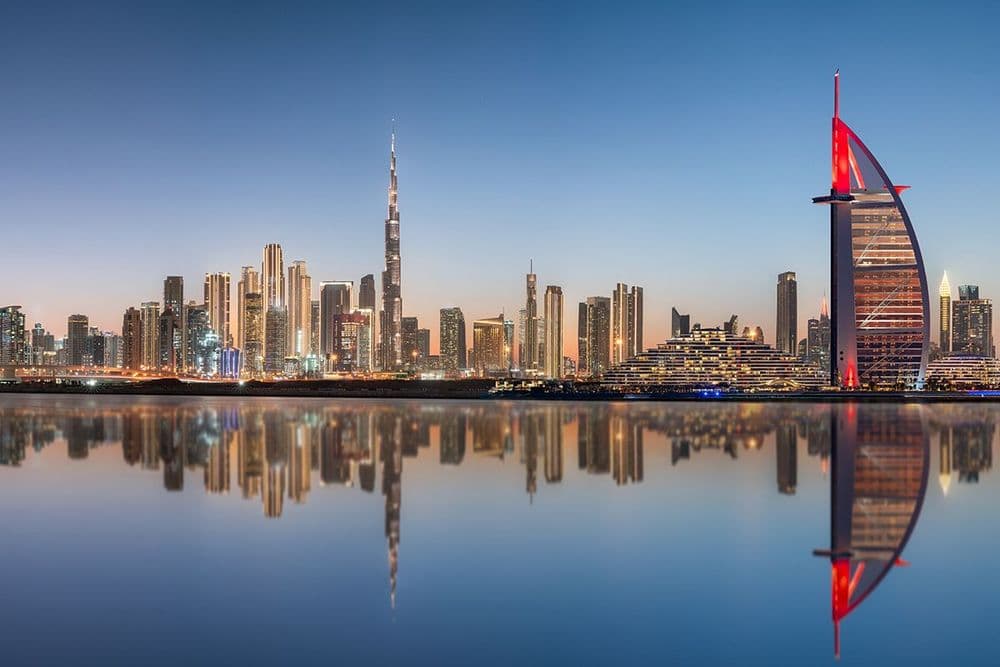
Investor Analysis: 3 Key Buckets
Return on Investment
Rental Yields: We Calculate the Rental Yields by dividing: Annual Rental Income ÷ Property Purchase Price × 100. For example, if you’re earning $100,000 a year in rent on a property worth $3 million, your rental yield is 3.33%. Now let's look at this number for different cities.
| Cities | Rental Yields |
|---|---|
| London | ~3% |
| New York | ~3.5% |
| Singapore | ~3.5% |
| Hong Kong | 3% |
| Dubai | 5% to 9% (0% Taxes on capital gains, inheritance and rental income) |
Affordability
Price to Income Ratio: We check this by dividing the median price of a house by the median income of the city. Let’s take the example of Amsterdam, The median house price in Amsterdam is €452,000 while the median salary sits at €44,000. This means that the price to income ratio is 10.2. This number indicates that housing is increasingly unaffordable for the average resident of Amsterdam. Now let’s compare some of the top cities on this front.
| Cities | Price to income ratio |
|---|---|
| Hong Kong | 29.1 |
| Mumbai | 28.4 |
| Singapore | 23.2 |
| London | 18.6 |
| Paris | 16.9 |
| NYC | 14.2 |
| Dubai | 6.6 (much more affordable) |
Prime Price per Sq.Ft.
| Cities | Price per Sq.Ft. |
|---|---|
| NYC (Manhattan) | $1,511 |
| London (Prime Areas) | $1,900 |
| Singapore (High-End Non-Landed) | $1,958 |
| Hong Kong (Luxury Apartments) | $2,210 |
| Mumbai | $652 |
| Dubai | $714 |
Dubai combines affordability with a high quality of life.
Supply vs Demand
- Population Growth: +150,000 per year
- Housing Demand: 50,000 homes/year
- Supply: ~40,000 homes/year
The Policy Domino Effect: Golden Visa Case Study
- Introduced: 2019
- Eligibility: AED 2M investment
| Year | Golden Visa Issued |
|---|---|
| 2021 | 47,000 |
| 2022 | 80,000 |
| 2023 | 158,000 |
2024 Update: AED 1M down payment removed – Real estate demand surged, especially for properties around 2M AED
Future-Ready Vision: What’s Ahead?
Economic Agenda 2033 & Urban Master Plan 2040
- Double the size of Dubai’s economy through diversification & FDI
- Position Dubai among Top 3 global cities for living, tourism and business
Regulatory Foresight: To protect the market in the long run, they are taking action early. They have put in place investor-friendly rules like Loan-to-Value limits to protect the mortgage buying market and the Smart Rental Index to support renters. All of these are meant to make sure the market stays clear, steady and keeps growing in a healthy way. These moves support a stable and growing real estate market.
Investment Hotspots to Watch
- Dubai Creek Harbour: EMAAR’s flagship project, blending Downtown pulse with waterfront charm
- Rashid Yachts & Marina and Palm Jebel Ali: Luxury waterfront homes with high rental yields
- The Valley: Ideal for families with integrated lifestyle infrastructure
- EMAAR South & Expo City: Long-term value driven by future expansion
Final Thoughts
Dubai has proven that smart governance fuels real estate success. From policy to profits, it offers a rare blend of economic strength, tax efficiency, affordability, and livability.
If you are planning to invest, always:
- Choose reputable developers
- Focus on prime locations and quality assets
- Ensure diligent evaluation
Thinking about your next Dubai property?
Talk to an XRealty specialist — market guidance, shortlists, and honest advice, no obligation.
Frequently Asked Questions
Dubai offers tax-free returns, high rental yields (5–9%), and strong economic growth – making it one of the most investor-friendly markets globally.
The Golden Visa allows long-term residency for investors. Property purchases above AED 2M qualify, boosting demand in this segment.
Yes. With a price-to-income ratio of 6.6 and average luxury prices at $714/sq.ft., Dubai is more affordable than cities like London or Singapore.
Dubai has 0% tax on rental income, capital gains, and inheritance—ideal for long-term wealth planning.
No. Demand is outpacing supply by ~40% annually, which supports steady price growth through 2028.

Related Articles
 Legal Process
Power of Attorney for Property in Dubai: A Simple Guide
 Market News
Dubai Rent Now, Pay Later Scheme: What Tenants and Landlords Should Know?
Understand how Dubai’s Rent Now, Pay Later option works, including monthly rent payments, tenant benefits, landlord considerations, eligibility and key costs.
 Market Pulse
What Makes Dubai So Resilient?
Discover why Dubai’s real estate market remains resilient, supported by population growth, investor demand, infrastructure, tourism and a strong economy.