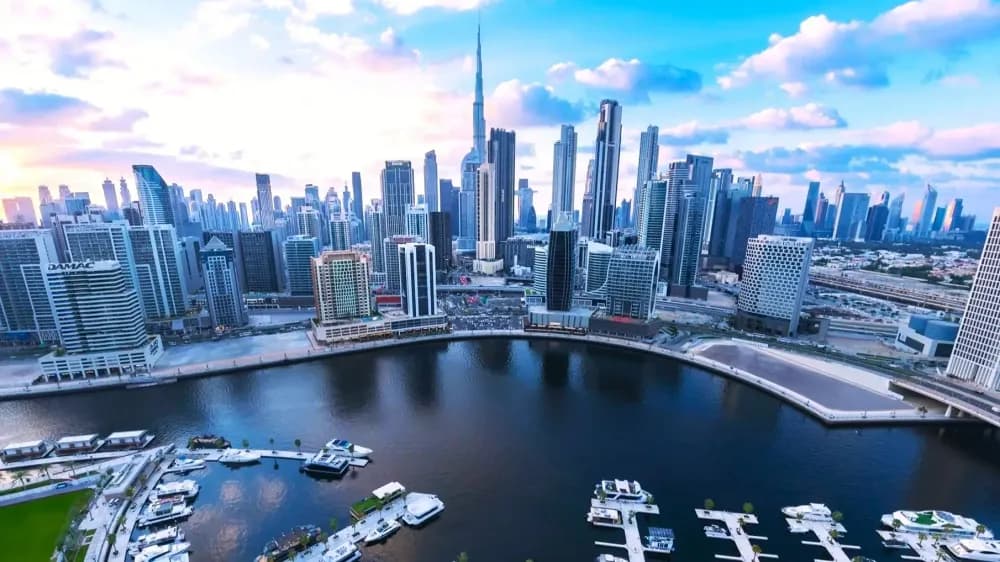
Dubai’s Real Estate Momentum: A New Global Benchmark in 2025

Table of Contents
For decades, cities such as New York, London, and Monaco have stood as pillars of global real estate. Their reputations are built on history, financial influence and architectural grandeur. These markets continue to offer value through stability, cultural significance, and global connectivity. However, in 2025, a new city has emerged as a dynamic force in the property investment landscape - Dubai.
Dubai’s real estate market is not replacing these legacy cities, but rather complementing the global portfolio with a unique blend of affordability, innovation, and performance. Its rise reflects broader shifts in investor priorities, urban development, and international mobility.
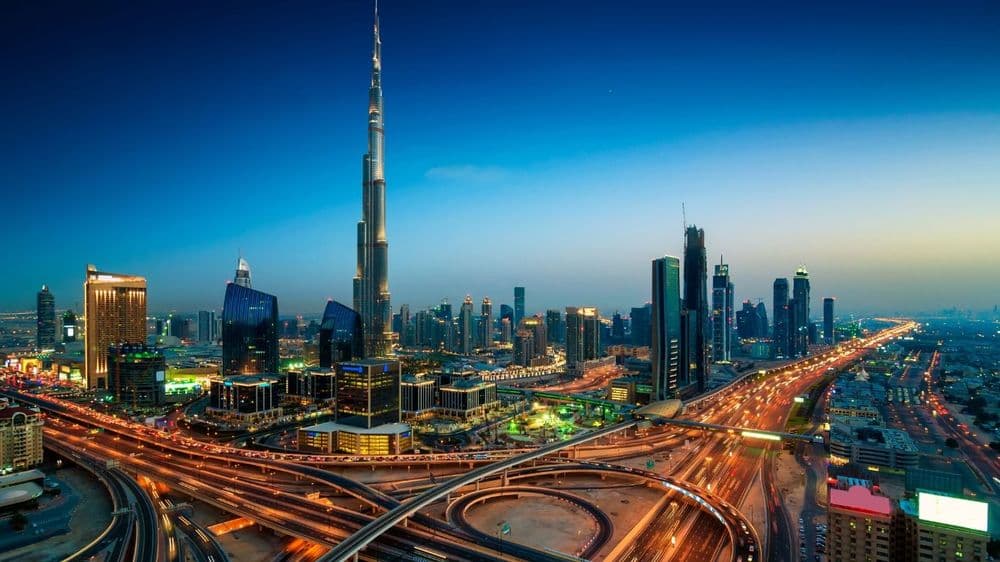
Global Real Estate Overview: Diverse Strengths Across Markets
Each major city offers distinct advantages:
| City | Avg. Price PSF (USD) | Avg. Rental Yield (%) | Key Strengths |
|---|---|---|---|
| Monaco | $5,300 | ~2.9% | Ultra-luxury, exclusivity, tax haven |
| London | $2,700 | ~2.4% | Financial hub, heritage, global access |
| New York | $1,856 | ~4.2% | Liquidity, scale, cultural diversity |
| Dubai | ~$850 | ~6.7% | High yield, modern infrastructure, investor-friendly policies, Ultra-luxury |
While traditional markets continue to attract long-term capital, Dubai is offering a compelling alternative particularly for investors seeking strong returns, modern living environments and strategic growth.
Dubai’s 2025 Performance: A Market in Motion
Dubai’s real estate sector has demonstrated remarkable resilience and expansion in 2025. According to data from the Dubai Land Department and industry analysts:
- Total Real Estate Transactions (Jan–Aug 2025): AED 441 billion (~USD 120 billion)
- August 2025 Sales Alone: AED 51.1 billion, an 8% increase year-over-year
- Off-Plan Market (Q2 2025): USD 16.4 billion in sales
- Average Residential Price per Sq. Ft: ~USD 850
- Rental Yields: Averaging 6.7%, among the highest globally
These figures reflect a market that is not only active but increasingly attractive to both regional and international investors.
Off-Plan Confidence: Investing in the Future
The off-plan segment properties sold before completion, has become a cornerstone of Dubai’s growth. The $16.4 billion invested in Q2 2025 alone signals robust confidence in the city’s long-term trajectory. With over 61,800 residential units currently under development, Dubai is expanding its housing stock to meet rising demand while maintaining quality and innovation.
Off-plan investments also reflect the city’s ability to deliver on large-scale infrastructure and master-planned communities. Developers in Dubai are known for their commitment to timely delivery, transparency and integration of smart technologies factors that continue to attract global capital.
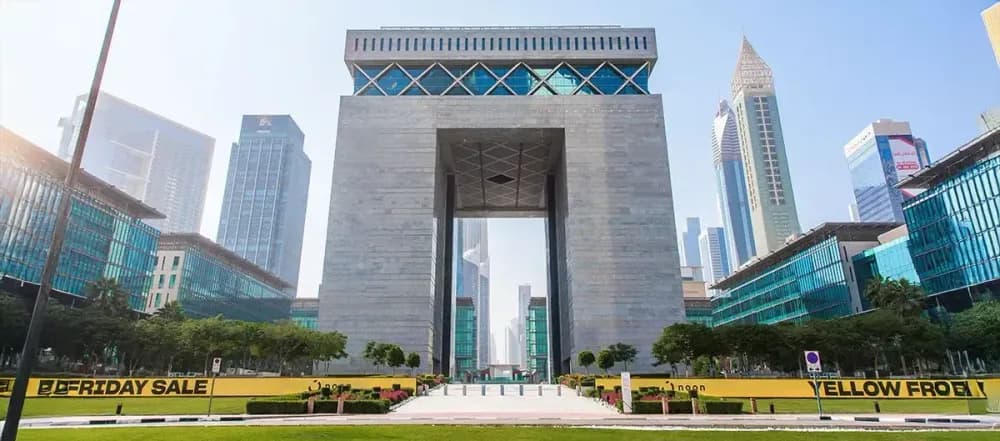
Strategic Urban Planning and Policy Support
Dubai’s success is underpinned by forward-looking governance and infrastructure investment. Key initiatives include:
- Dubai Urban Master Plan 2040: A roadmap for sustainable growth, livability, and economic diversification
- Residency and Visa Reforms: Including long-term investor visas and Golden Visas
- Tax-Free Property Ownership: Enhancing net returns for investors
- Smart City Technologies: Integrating AI, IoT, and green building standards
These policies have positioned Dubai as one of the most accessible and future-ready real estate markets globally. The city’s leadership continues to prioritize innovation, sustainability, and global competitiveness, ensuring that its property sector remains attractive across economic cycles.
Population and Tourism Growth
Dubai’s demographic and tourism trends further support its real estate momentum:
- Population Growth (2024–2025): Estimated at 5%, nearing 4 million residents
- Tourism (2024): 18.7 million overnight visitors, reinforcing demand for short-term rentals and hospitality assets
- Expatriate Appeal: A multicultural environment with over 200 nationalities represented
This growth fuels demand across residential, commercial, and hospitality sectors, creating a balanced and diversified market. The city’s appeal to expatriates, entrepreneurs, and remote professionals has also expanded its rental base, contributing to higher occupancy rates and stable returns.
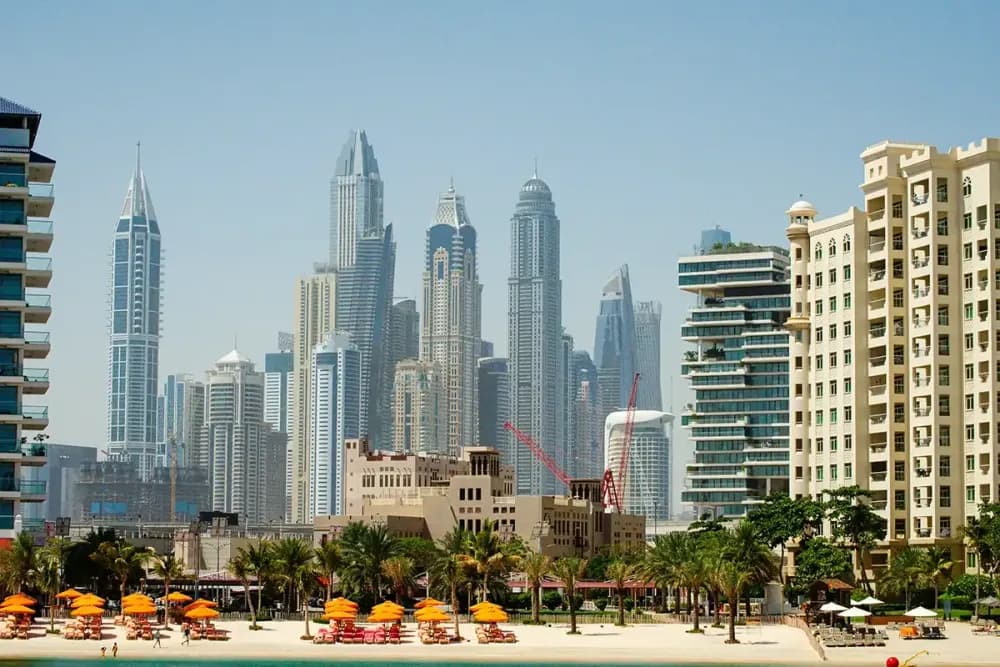
Neighborhoods Driving Performance
Dubai’s real estate strength is distributed across several high-performing districts:
- Dubailand & Meydan: Rental growth of 39–46% year-over-year
- Jumeirah Village Circle & Sobha Hartland: High off-plan activity and investor interest
- Palm Jumeirah & Downtown Dubai: Resilient prime markets with luxury appeal
These areas reflect the city’s ability to cater to a wide range of buyer profiles from entry-level investors to ultra-high-net-worth individuals. The diversity of offerings, from affordable apartments to waterfront villas, ensures that Dubai remains inclusive and scalable.
Comparative Value Proposition
Dubai’s value proposition lies in its ability to offer high returns at a relatively lower cost of entry. For investors seeking diversification, the city provides:
- Strong rental yields
- Modern infrastructure
- Global accessibility
- Regulatory transparency
Dubai does not aim to replace legacy markets but rather to complement them by offering a distinct investment profile—one that aligns with contemporary priorities such as digital integration, sustainability, and lifestyle flexibility.
Technology and Sustainability Integration
Dubai’s real estate sector is increasingly aligned with global trends in smart living and environmental responsibility. Many new developments incorporate:
- Smart home systems
- Energy-efficient designs
- Green building certifications
- EV charging infrastructure
These features not only enhance resident experience but also contribute to long-term asset value and operational efficiency. Investors are increasingly prioritizing ESG (Environmental, Social, and Governance) metrics, and Dubai is well-positioned to meet these expectations.
Investor Sentiment and Global Recognition
Dubai’s real estate market has earned recognition from global institutions and investors alike. Reports from Knight Frank, JLL, and Deloitte consistently highlight Dubai as one of the top-performing property markets in terms of capital appreciation and rental yield.
In addition, the city’s transparent regulatory framework, digital property registration systems, and investor protection laws have contributed to a high level of trust and ease of doing business. Foreign investors benefit from full ownership rights in designated freehold zones, and the absence of property taxes further enhances net returns.
Lifestyle Appeal and Quality of Life
Beyond financial metrics, Dubai offers a lifestyle that appeals to a global audience. The city boasts:
- World-class healthcare and education
- Luxury retail and dining experiences
- Safe and secure living environments
- Year-round sunshine and recreational amenities
These factors contribute to Dubai’s growing reputation not just as an investment destination, but as a place to live, work, and thrive. The city’s ability to blend cosmopolitan living with cultural diversity makes it uniquely attractive to families, professionals, and retirees alike.
Considerations And Market Knowledge
While Dubai’s real estate market presents numerous advantages, investors should also consider:
- Market Cycles: Like any global market, Dubai experiences fluctuations tied to macroeconomic conditions
- Regulatory Updates: Staying informed about visa, ownership, and financing regulations is essential
- Project Due Diligence: Evaluating developer reputation, delivery timelines, and location fundamentals remains critical
Conclusion: Dubai’s Defining Role in Global Real Estate
Dubai’s real estate market in 2025 stands as a powerful example of how strategic planning, investor-friendly policies, and global ambition can reshape the investment landscape. While legacy cities continue to offer enduring value through history and financial depth, Dubai presents a complementary opportunity, one defined by high yields, modern infrastructure and rapid growth.
Its ability to deliver strong returns at a lower cost of entry, combined with a forward-thinking approach to urban development, positions Dubai as a compelling choice for investors seeking diversification and long-term value. With robust transaction volumes, expanding residential supply, and rising global recognition, the city is no longer just a regional hub, it is a global benchmark. As the world of real estate evolves, Dubai is not simply keeping pace it is setting the pace.
Thinking about your next Dubai property?
Talk to an XRealty specialist — market guidance, shortlists, and honest advice, no obligation.
Frequently Asked Questions
Dubai’s real estate market in 2025 has become a global benchmark due to its high rental yields (6.7%), affordable entry prices (~$850 per sq. ft.), and record-breaking AED 441 billion in transactions. Unlike legacy markets such as London or Monaco, Dubai offers tax-free property ownership, Golden Visa opportunities, and future-ready urban planning, making it one of the most attractive property investment destinations worldwide.
While New York, London, and Monaco are established luxury markets, Dubai real estate offers stronger returns and lower costs of entry. With rental yields averaging 6–7%, modern smart city infrastructure, and investor-friendly policies, Dubai provides a unique balance of affordability, luxury, and long-term capital appreciation that global investors find highly compelling.
Yes, investing in off-plan properties in Dubai remains one of the safest and most profitable strategies in 2025. With $16.4 billion in Q2 2025 off-plan sales, backed by reputable developers like Emaar, Sobha, and Nakheel, buyers gain early access to properties at competitive prices. Dubai’s strong regulatory framework, developer transparency, and timely project delivery continue to build global confidence in the off-plan market.
Top-performing areas in Dubai real estate include:
- Palm Jumeirah & Downtown Dubai – luxury demand and global appeal
- Dubailand & Meydan – strong rental growth (39–46% YoY)
- Jumeirah Village Circle & Sobha Hartland – high off-plan activity and affordable entry points
These districts combine rental income potential, lifestyle appeal, and capital growth, ensuring investors benefit from Dubai’s strong property momentum.

Related Articles
 NRI Investment
The Real Reason Indian Investors Never Stopped Buying Dubai Real Estate
Discover why Indian investors continue to choose Dubai real estate, from tax efficiency and rental yields to currency stability, residency benefits and long term growth.
 Invest In Dubai
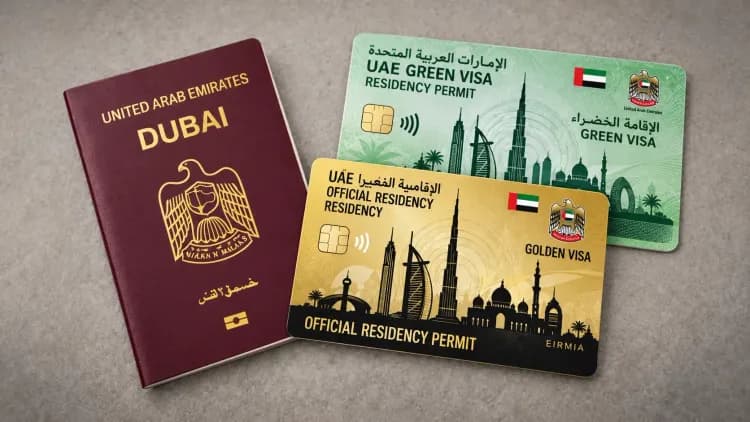
Green Visa vs Golden Visa in the UAE: A Simple Comparison for Investors
Compare the UAE Green Visa and Golden Visa for investors, including eligibility, benefits, residency options and key differences to understand which route may suit your plans.
 Legal Process