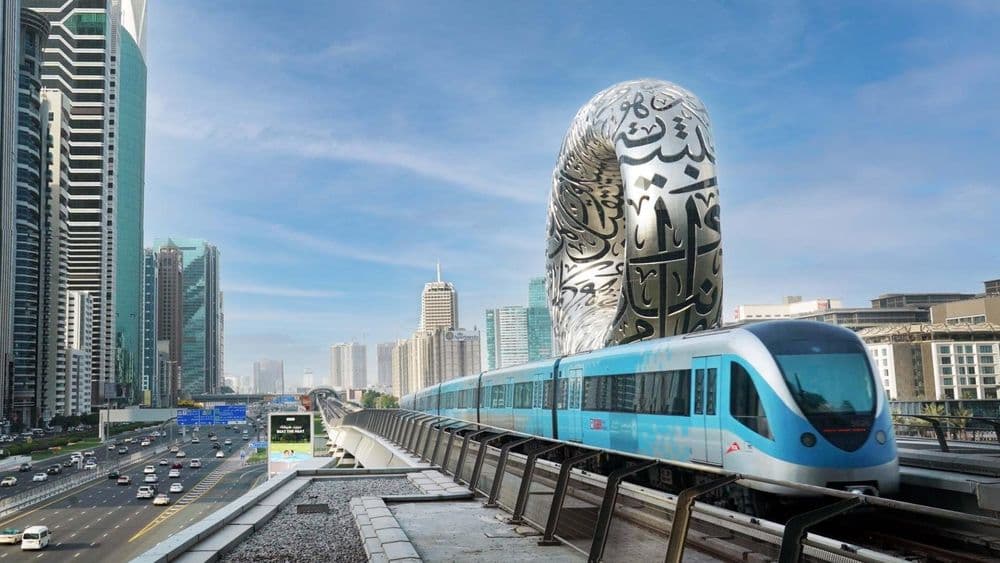
Dubai Metro Blue Line: Real Estate Impact & Investment 2025

Table of Contents
The Dubai Metro Blue Line is more than just a new transit route—it’s reshaping the city’s real estate landscape. Since its launch in November 2023, this 30-kilometer extension has become a pivotal catalyst, enhancing connectivity across major districts and triggering a surge in demand for properties near its stations. With a strategic investment of AED 18 billion, the Blue Line aligns seamlessly with Dubai’s ambitious vision for sustainable urban growth, as outlined in the 2040 Urban Master Plan.
Despite ongoing construction, including recent traffic realignments in Mirdif to facilitate groundwork, the impact is already measurable. Industry experts forecast property values adjacent to the new metro stations could appreciate by up to 25 percent. Beyond the property market, the line is projected to reduce traffic congestion by approximately 20 percent and further diversify Dubai’s economy—solidifying the city’s standing as a global hub for residents and investors alike.
Engineering Excellence and Strategic Connectivity of the Blue Line
The Blue Line comprises two key segments. The first is a 21-kilometer stretch with 10 stations extending from Al Jaddaf to Al Ruwayyah 3, connecting vital hubs including Dubai Festival City, Dubai Creek Harbour, Ras Al Khor, International City, Dubai Silicon Oasis, and Dubai Academic City. The second segment covers 9 kilometers with 4 stations, linking Al Rashidiya to International City via Mirdif and Al Warqa.
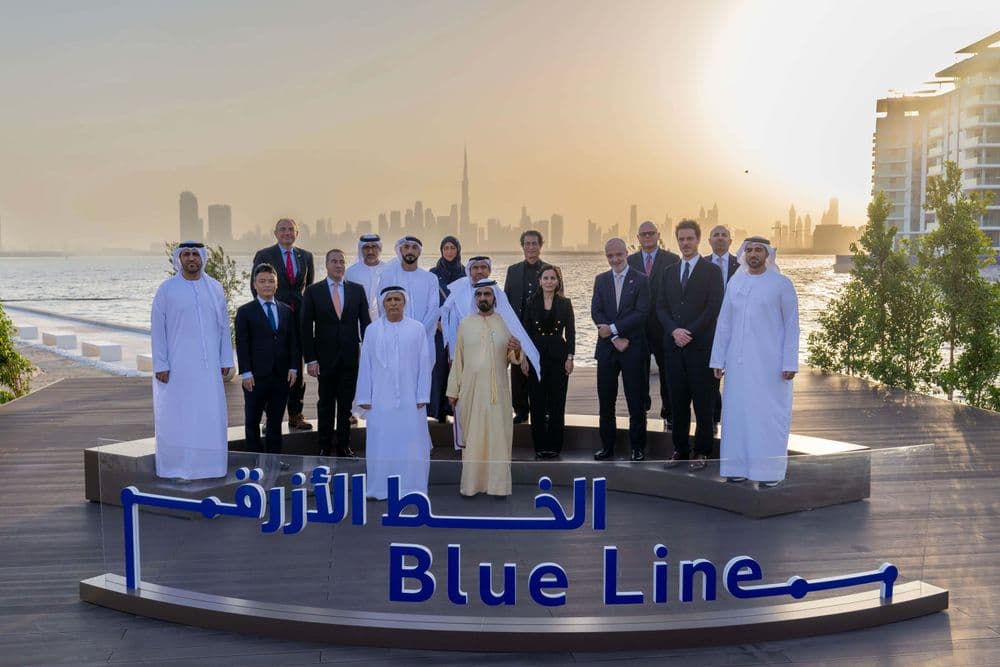
This project showcases several engineering feats: a 1,300-meter viaduct over Dubai Creek, the world’s tallest metro station standing 74 meters high in Dubai Creek Harbour, and the largest underground station at International City 1. Scheduled for completion by September 2029—coinciding with the Dubai Metro’s 20th anniversary—the line will serve over one million residents across nine districts. It is designed to accommodate up to 320,000 daily passengers by 2040, incorporating five underground and nine elevated stations. Seamless interchanges at Creek (Green Line), Centrepoint (Red Line), and International City 1 enhance network integration, including connections to Etihad Rail. Sustainability remains central, with dedicated facilities for buses, taxis, bikes, e-scooters and accessible parking.
Rental Market Surge: Quantifying the Rise in Demand and Prices
Following the Blue Line announcement, rental prices in adjacent communities have seen remarkable growth. Academic City leads with a 43 percent increase, with studio apartments now averaging Dh60,000 annually. Other significant rises include 30 percent in Dubai Creek Harbour, 28 percent in Al Warqa and Silicon Oasis, 22 percent in International City clusters, 21 percent in Ras Al Khor Industrial Area, and 15 percent in Mirdif and Dubai Festival City.
Looking forward, analysts anticipate rental rates near metro stations to rise an additional 30 percent by 2029, outpacing non-metro areas. The appeal of easy, time-efficient commutes is driving this demand. Historical data reinforces this trend—between 2010 and 2022, properties within a 15-minute walk of metro stations recorded an average annual rental growth of 26.7 percent, surpassing Dubai’s overall citywide average of 24.1 percent.
Property Value Appreciation: Capital Growth Powered by Transit Access
Sales data further confirms the Blue Line’s positive momentum. Properties located near Blue Line stations are expected to appreciate between 10 and 25 percent, echoing the substantial gains recorded after the Red Line’s launch in 2009. In Q1 2025, residential sales surged to Dh120 billion, reflecting an 18 percent year-on-year growth. Prices in metro-connected zones increased 5.6 percent overall, with villas rising by 7.9 percent and apartments by 4.2 percent.
Demand for land and housing in Al Warqa, Academic City, and along Sheikh Mohammed bin Zayed Road has intensified, transforming these once peripheral suburbs into sought-after investment hubs. Mirdif, Silicon Oasis, and Academic City are bustling with activity as mid-income buyers and investors seize affordable opportunities enhanced by improved living standards. CBRE reports consistently show metro-proximate properties outperform broader market averages in both price and rental growth.
Investment Landscape: Unlocking Opportunities Along the Blue Line Corridor
The Blue Line has sparked a wave of new developments, with over 100 off-plan projects emerging near metro stations. High-potential ventures like Emaar Green Gate and Ellington’s The Hillgate offer compelling prospects for capital appreciation and steady rental yields. Undervalued districts such as International City, Ras Al Khor, and Dubai Silicon Oasis are gaining investor attention due to enhanced accessibility to Dubai International Airport and key urban centers.
Economically, the project boasts a benefit-cost ratio of 2.60 and cumulative benefits projected to surpass AED 56.5 billion by 2040. These advantages arise from significant savings in travel time, fuel consumption, and emissions, underlining the Blue Line’s value as a driver of sustainable urban prosperity. Globally, transit infrastructure tends to spur productivity gains and expand viable investment zones. Dubai’s Blue Line is expected to shift real estate demand away from congested central hubs like Dubai Marina toward dynamic emerging communities.
Future Outlook: Real Estate Growth and Urban Development Fueled by the Dubai Metro Blue Line
More than a transport enhancement, the Blue Line embodies Dubai’s “20-minute city” vision—creating neighborhoods where residents can access homes, workplaces, and amenities within 20 minutes. This vision will accelerate growth in mid-market housing and foster diverse, livable communities as Dubai’s population approaches 5.8 million by 2040.
Complementing ongoing transport expansions adding 91 kilometers and 58 stations by 2025, the metro network’s capacity will double. Communities connected by the Blue Line are expected to demonstrate resilience in fluctuating markets, supported by sustained demand from residents, tourists, and businesses.
Recent milestones, such as the foundation stone laid at Dubai Creek Harbour, signify the Blue Line’s pivotal role in transforming Dubai’s urban economy—turning infrastructure into a powerful engine for wealth creation.
Why the Dubai Metro Blue Line Matters to You: My Professional Perspective
In closing, the Dubai Metro Blue Line is not merely infrastructure; it is a profound catalyst for real estate evolution and a beacon for Dubai’s future direction. From my extensive experience, properties close to metro stations offer more than convenience—they are strategic assets that will appreciate steadily and provide reliable income streams.
This development unlocks valuable opportunities in emerging neighborhoods that combine lifestyle, connectivity, and investment potential—ideal for both seasoned investors and residents seeking quality living environments. Positioning yourself in metro-connected communities today is a forward-thinking move that promises strong returns tomorrow.
I invite you to connect with me to explore tailored investment strategies focused on the Blue Line corridor. Together, we can leverage this transformative project to build lasting wealth and secure your place in Dubai’s evolving real estate market.
Thinking about your next Dubai property?
Talk to an XRealty specialist — market guidance, shortlists, and honest advice, no obligation.
Frequently Asked Questions
Properties near Blue Line stations are expected to appreciate by 10%–25%, driven by improved connectivity and rising demand in areas like Mirdif, Academic City, and Silicon Oasis.
Zones like Academic City, Dubai Creek Harbour, and Ras Al Khor are leading rental growth, with increases up to 43%, thanks to enhanced metro access and livability.
Yes, with over 100 new developments and major infrastructure upgrades, metro-connected areas offer strong capital gains and rental yields in 2025 and beyond.
The line reduces traffic by 20%, cuts emissions, and promotes 20-minute communities—aligning with Dubai’s 2040 Urban Master Plan and boosting real estate demand.

Related Articles
 Invest In Dubai
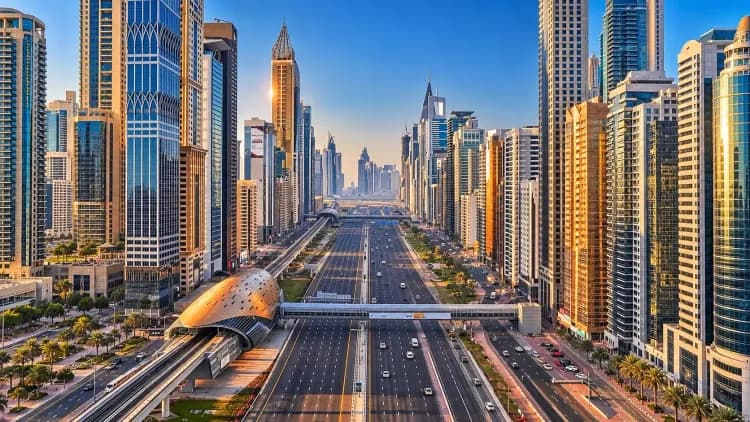
Where to Buy in Dubai in 2026: Five Areas for Different Buyer Priorities
A practical guide to five Dubai locations for end users, long term growth buyers and income focused investors.
 Market News
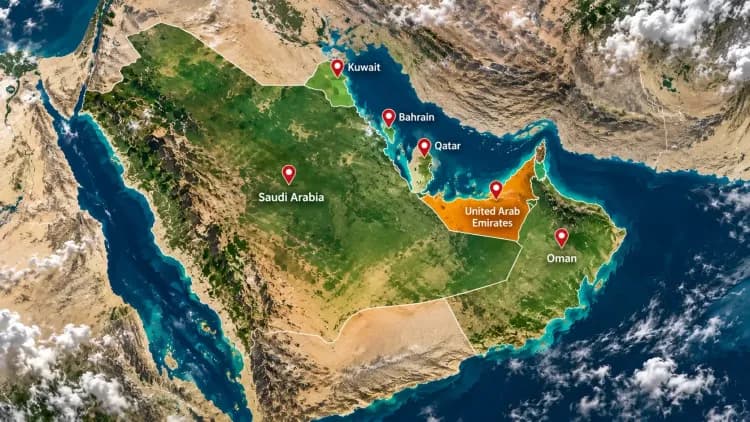
One Visa, Six Gulf Countries: What the GCC Grand Tours Visa Could Mean for Dubai Property
Explore how the planned GCC Grand Tours Visa could influence Dubai tourism, holiday homes and property demand—and what remains unconfirmed.
 Off Plan
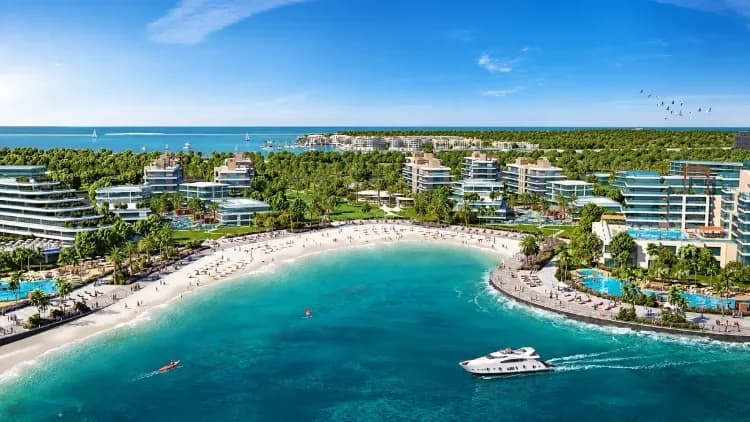
Dubai Islands Explained: Five Islands, Five Different Property Decisions
Understand Dubai Islands through its five planned districts, from Central and Shore Island to Golf, Marina and Elite Island, before choosing a property.