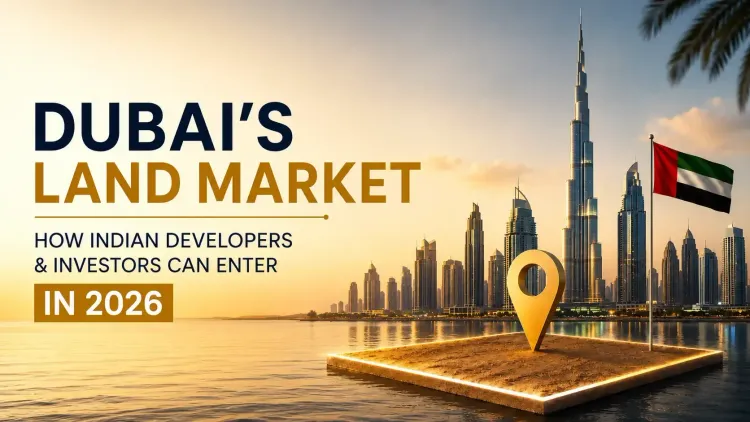
How Indian Developers and Institutional Investors Can Enter Dubai's Land Market in 2026
Indian developers and institutional investors ready to enter Dubai's land market in 2026, Explore freehold plot zones, entry structures and legal frameworks.

Abu Dhabi's property market experienced a significant upswing in the first half of 2025 reporting a whopping 40% increase in property transactions compared to the same period of last year.
Abu Dhabi's real estate market is benefiting from significant confidence from investors local and foreign with total property transactions at over AED 51 billion, a significant increase and sign of market growth in the UAE capital emirate.
Abu Dhabi as the capital of the UAE is characterized by luxury property, its strategic location, and overall business friendly environment. The city is steadily growing, and is well on its way to becoming one of the prime real estate locations in the region. This article will point out some of the drivers behind the property transaction growth, areas where Abu Dhabi property transactions sit against other Emirates (such as Dubai), as well opportunities for investors to take note of.
The 40% growth recorded in Abu Dhabi’s real estate market in the first half of 2025 can be attributed to several key factors:
More than 85 nationalities represented have chosen to invest in Abu Dhabi's real estate. The reasons for this investment base are the political stability of the country, quality of life, and being an international financial centre. The Golden Visa programme has accelerated this momentum, offering long-term residency to investors, entrepreneurs and professionals to Abu Dhabi. This programme has also provided the opportunity for foreigners to obtain residency and to purchase property in Abu Dhabi.
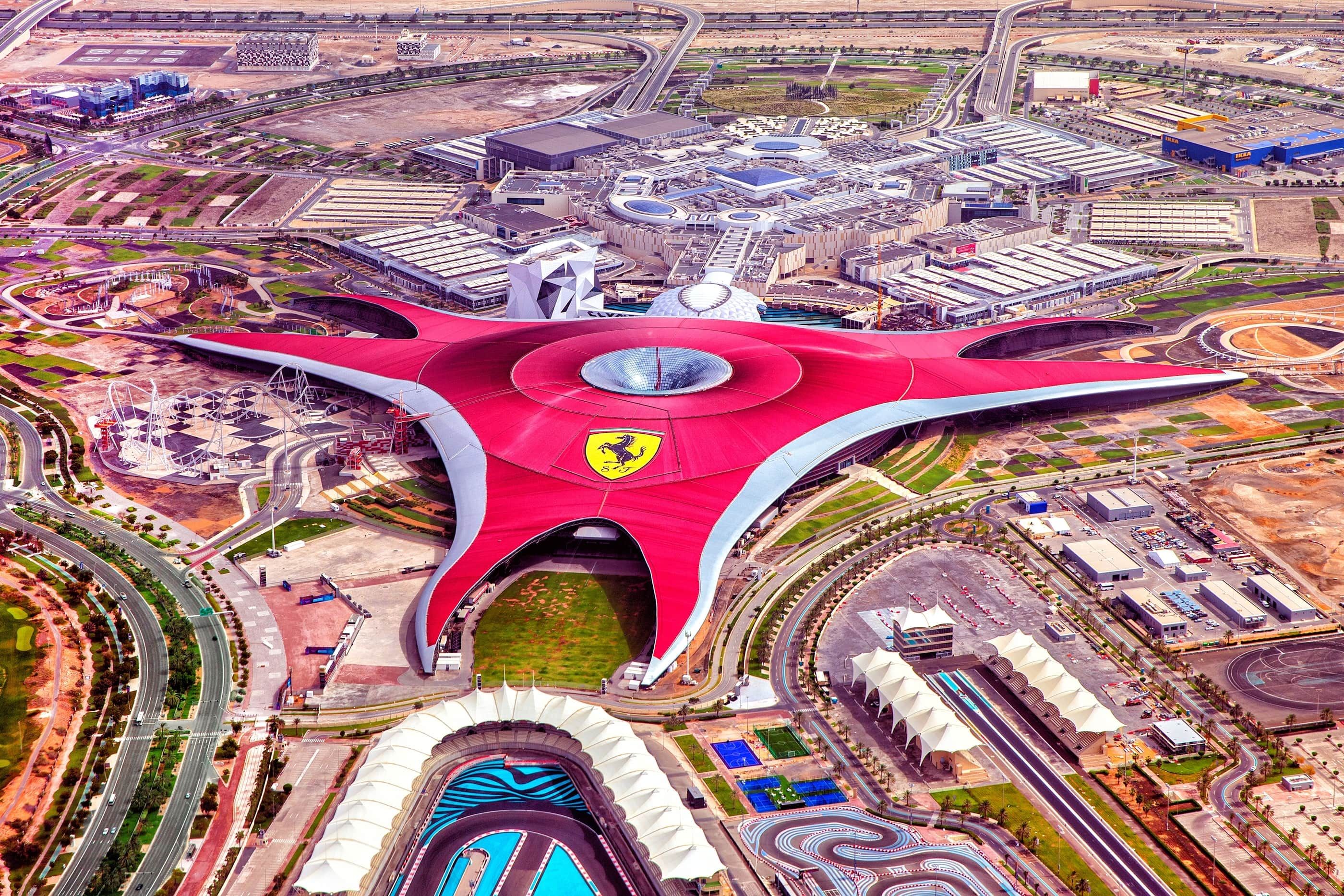
Another key reason for these increases is the Abu Dhabi city government’s ambitious plans for urban form and infrastructure investment. Areas of the city (like Al Reem Island, Saadiyat Island and Yas Island) are being developed at scale – to improve liveability and increase property prices. For example, the Abu Dhabi Global Market (ADGM) is a global financial centre and is still under development to attract new businesses and those talented individuals necessary for the particular professions needed to operate a successful finance centre, and to live nearby and that includes all those who provide services to these businesses and their staff. Yas Island is also a prime example – would it not continue to become more attractive with the new commercial and leisure attractions – Yas Mall and Ferrari World for example?
The government of the United Arab Emirates has acted as one of the most crucial levers to increase the growth of the real estate sector, especially in Abu Dhabi. The policies have made it very attractive for foreign nationals to invest in Abu Dhabi due to Golden Visa policies, investor-friendly property laws and tax breaks. The long-term economic sustainability of Abu Dhabi is further complimented by the government's priorities of diversification into technology, education and healthcare. This means investors have another layer of security in Abu Dhabi's real estate market.
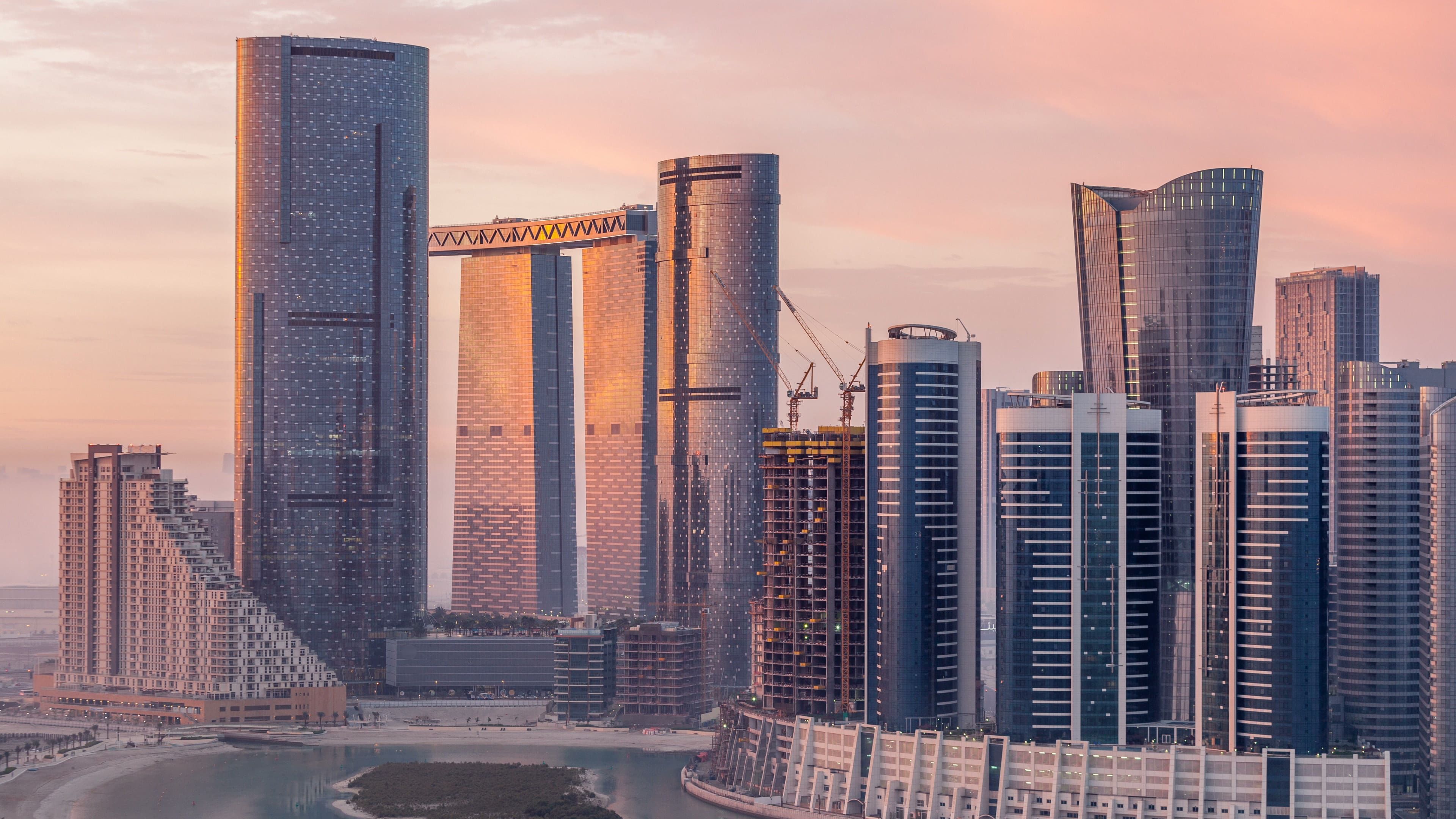
The real estate in Abu Dhabi continues to experience impressive growth, with a projected 11,900 residential units to be delivered over 2025, plus 33,000 residential units currently under construction through 2029. The residential supply will satisfy demand requirements, particularly in high demand areas such as Al Reem, Saadiyat Island, and Yas Island, which will see property price increases due to proximity to major business, cultural, and entertainment precincts. Demand for commercial real estate is also strong, with a number of businesses moving to Abu Dhabi, or establishing offices in areas such as ADGM, Al Maryah Island, and the Abu Dhabi International Airport Freezone. Demand for office space and retail has also been strong.
Abu Dhabi is experiencing significant growth and it is now pertinent to look into how it is faring compared to the real estate markets of other Emirates - especially Dubai and Sharjah - which have attracted considerable foreign capital in their own right for years.
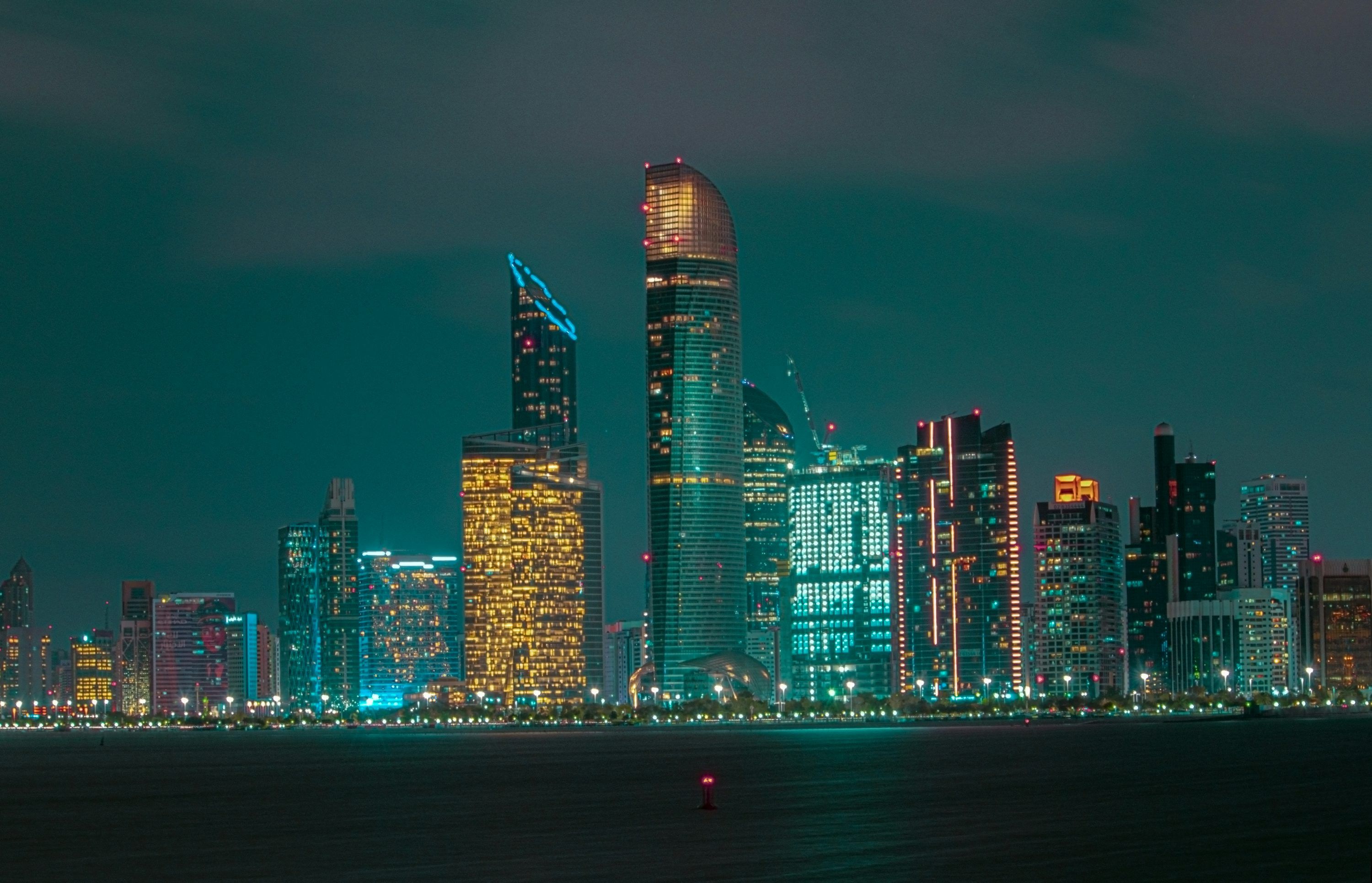
Dubai has long been recognized as the top investment location within the UAE, featuring a luxury lifestyle, world-class infrastructure, and swift evolution of the real estate market. Due to rising prices in established investment markets, such as Downtown Dubai, Palm Jumeirah and Dubai Marina, many investors are beginning to look as Abu Dhabi as an investment alternative to Dubai's premium markets.
Abu Dhabi offers a solid investment with stable growth in real estate at lower price points than Dubai's markets. Abu Dhabi is also a market that has experienced steady growth, particularly in the luxury residential sector. Premium waterfront investment opportunities are now available on Saadiyat Island and Al Reem Island, along with major developments in Abu Dhabi's new neighbourhoods, provide investment options for investors seeking a diversified portfolio.
Sharjah's real estate market is acknowledged as the more affordable emirate in the UAE but does not boast luxury developments or amenities of global standard in the market. Abu Dhabi, however, on the other hand, is a more luxury-driven market with a geared development towards high-net-worth individuals and families, seeking lifestyle in the luxury ecosystem. In addition, Abu Dhabi is also close to Dubai, and this factor offers residents the opportunity work in Dubai, but are also looking for a more peaceful suburban lifestyle.
Although Sharjah's market is growing, it still cannot offer the high-end offerings nor the premium return of investment, in the luxury residential developments in the capital. Investors looking for high-end properties seeking a richer local culture as well as being underpinned by local government understanding may be more inclined to Abu Dhabi, compared to Sharjah.
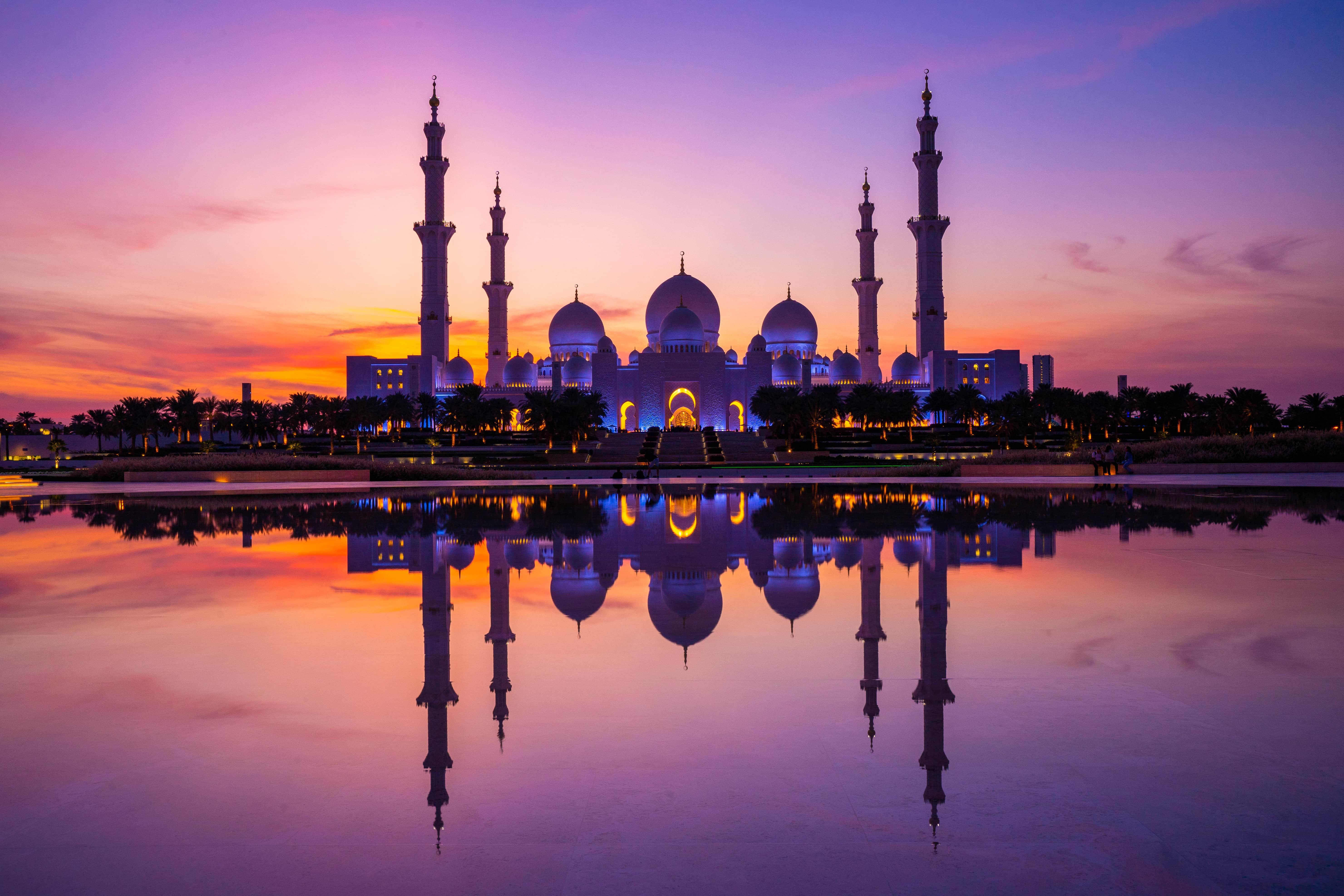
The real estate market in Abu Dhabi, offers investors the unique mix of affordability, stability and potential for capital appreciation, which is not the case in most parts of the world, especially Dubai, where prices tend to peak. Abu Dhabi is thus attractive to investors looking to invest in the UAE for the first time. You can find some of the best real estate investment opportunities in developing regions of Abu Dhabi such as Yas Island, Al Reem Island, and Saadiyat Island. You can expect to see further appreciation of these areas as more infrastructure is developed and demand for residential and commercial property increases.
For overseas investors, the Golden Visa program in Abu Dhabi offers an amazing opportunity to gain residency in the UAE with a growing real estate market. Abu Dhabi is also very tax-friendly, has a high rental yield and its proximity to Dubai makes it an ideal location for real estate investment.
In Abu Dhabi, the property sector is one of the most active in the region with over 40% growth in H1 2025, with reasonable growth expectations for the next several years. As the capital expands, additional development and government backing and strong international interest put it in an excellent position to become a significant benefactor of international investment in the global real estate sector. Investors looking for prime locations, affordable entry levels, and strong returns on investment should put Abu Dhabi on their radar - perhaps the short list of locations to consider for their real estate portfolio.
While the UAE real estate markets will include Dubai and Sharjah, Abu Dhabi’s luxury and affordability, and stability of property investment will be impossible to ignore in 2025 and beyond.
The incredible expansion occurring within Abu Dhabi's real estate market with an astounding 40% growth in H1 2025 is all supported by development, demand, and government policy.
Specific areas such as Yas Island, Saadiyat Island, and Al Reem Island are experiencing unprecedented development.
With prices significantly lower than escalating prices in Dubai, Abu Dhabi offers many opportunities.
International investors come to Abu Dhabi to leverage the Golden Visa, rental yield, and value in locations.
Abu Dhabi offers stability and lower volatility than Dubai and Sharjah, which creates long-term growth and safety of capital.
Abu Dhabi's growth has occurred largely through government initiatives, like the Golden Visa, massive levels of foreign investment, enormous new infrastructure projects, and Abu Dhabi being ranked as one of the safest cities in the world and a long-term growth market. There is significant demand, or activity, on Saadiyat Island, Yas Island, and Al Reem Island that is facilitating deals.
Dubai gets all the spotlight in the UAE. It has the top prices and tons of international buzz. Still, Abu Dhabi stands out as a steadier bet for investors. Things there feel more affordable and less up and down in terms of volatility. You know, people draw toward it for the solid chances at building up capital value over time. Plus, those high-end spots on the waterfront stack up pretty well against what Dubai offers. And the entry prices? They are way more competitive than Dubai's.
Abu Dhabi looks pretty solid for 2025, you know. They've got this 40 percent growth rate going on, plus all that government backing. And oh, new premium properties are starting to come online too. Investors could really jump in here, with those decent price points and solid rental yields. It beats a lot of the weaker markets out there, especially if you're thinking long-term stability. Basically, it's a smart spot to tap into right now.
Some of the most in-demand areas include:
Indian developers and institutional investors ready to enter Dubai's land market in 2026, Explore freehold plot zones, entry structures and legal frameworks.
Dubai real estate pipeline data through 2030, understand where supply is concentrated and what it means for your investment strategy.

Downtown Dubai vs Dubai Hills Estate in 2026, the capital appreciation data, buyer pool shifts and why one community now wins for first time buyers.