Table of Contents
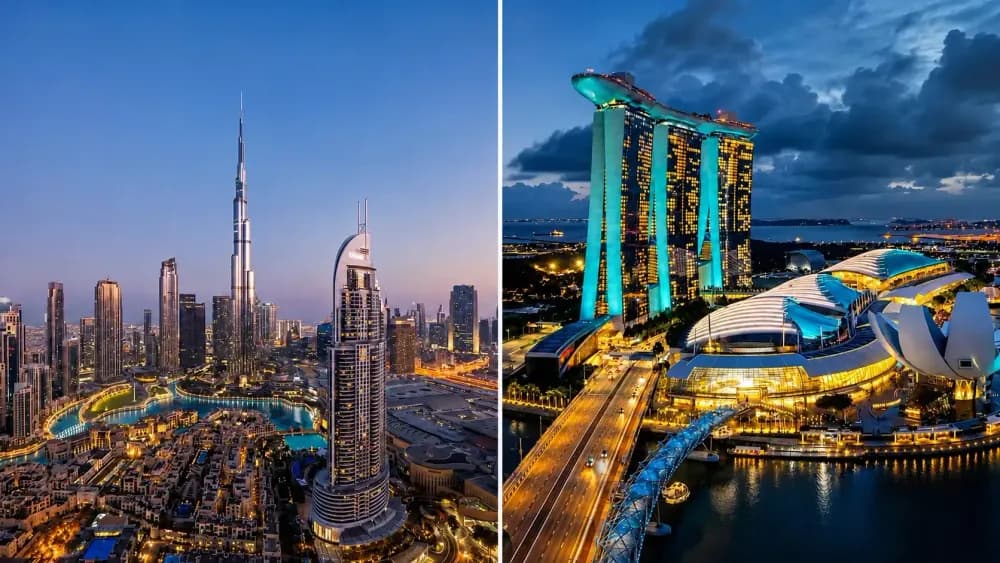
Dubai and Singapore have long been competing for the attention of global investors, entrepreneurs and professionals. Both offer world-class infrastructure, international business connections, and a high standard of living. But for a prospective buyer in 2026, the two cities present very different opportunities.
So, which has the stronger proposition in terms of property investment, returns and lifestyle? Dubai real estate market is making a progressively more compelling case.
Property ownership: Dubai offers greater flexibility
International buyers are drawn to Dubai real estate for its accessibility, a big advantage. Overseas investors have no shortage of choices with apartments, villas, and luxury residences. Foreign nationals can buy freehold property in designated areas. The Dubai Land Department also has freehold properties recorded, which are available for purchase to all nationalities.
Singapore is still an attractive and well-regulated property market, but the tax burden upfront is much higher for overseas buyers. Foreigners buying a residential property pay 60% Additional Buyer’s Stamp Duty (ABSD), as per Singapore’s tax authority.
That difference can make a big impact on the amount of capital needed for an international investor who is comparing the two.
Returns: Dubai has the edge
Dubai is known to have attractive rental returns, particularly in popular investment communities. In comparison, Dubai still enjoys higher rental yields than Singapore, although the latter is often viewed as the more mature market.
For investors who are more interested in generating rental income than just holding an asset, the mix of rental demand, international residents and a huge choice of property options can be particularly attractive.
Taxes: A major difference for investors
Dubai also stands apart in the area of tax.
The UAE currently has no personal income tax, and individuals are not subject to a personal capital gains tax regime. This can mean simpler ownership for many international investors, but they should always look at tax rules in their home country.
In contrast, Singapore has a more developed property tax regime, including stamp duties, which can have a significant impact on foreign purchases.
Lifestyle: Two great cities, different experiences
Here is where the comparison becomes more specific.
Singapore has green spaces, good public transport, established neighborhoods and a compact city vibe. Dubai, conversely, provides larger homes, big communities, beaches, waterfront developments, and a lifestyle built around space and choice.
For families, entrepreneurs and professionals, Dubai's master-planned communities offer more than just a home. Schools, retail, leisure, green spaces and everyday conveniences are brought together within thoughtfully designed neighborhoods. Cost of living comparisons also now show Dubai is overall cheaper than Singapore, including housing.
Dubai's Global Appeal
The property market in Dubai continues to attract buyers from all over the world. Indian investors accounted for approximately 22% of overseas purchases, making them the largest foreign buyers in 2025. Transactions in the city’s residential market also hit AED 225.7 billion in the first half of 2026, highlighting the depth of demand as the market enters a more mature phase.
That demand has more than property values behind it. Investors are increasingly turning to Dubai as a place to live, build businesses, earn rental income and diversify wealth.
The Bottom Line
Singapore is a great global city and a good choice for investors who value stability and a mature market. But in 2026, Dubai has a unique advantage in terms of property choice, rental potential, lifestyle flexibility and a more favorable tax environment for international buyers. In the end, Dubai is more than a property investment; it is an exclusive entrance to one of the world’s most ambitious and rapidly changing global cities.
Thinking about your next Dubai property?
Talk to an XRealty specialist — market guidance, shortlists, and honest advice, no obligation.
Frequently Asked Questions
Yes. Dubai can offer greater rental potential, more property options, and a more favorable tax environment for many international investors.
Dubai has strong rental potential, global connectivity, freehold ownership and a good tax environment.
Yes. There is no personal income tax in the UAE, and Singapore has heavy taxes on foreigners buying residential property.
Dubai offers a broader range of properties, from affordable apartments and family villas to luxury waterfront homes and branded developments.
Related Articles
 Market Pulse
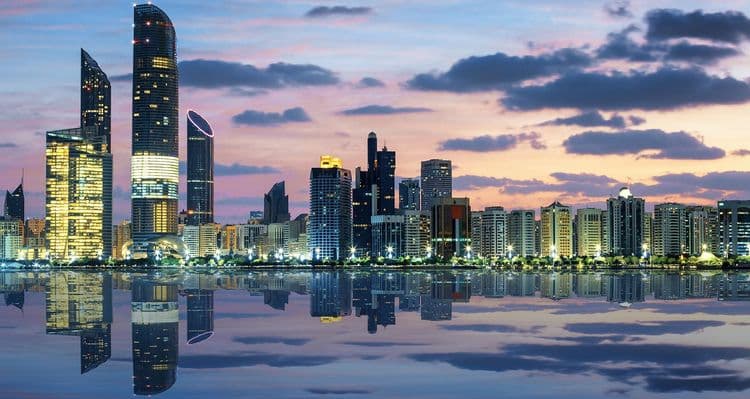
Why Invest in Abu Dhabi?
Discover why investing in Abu Dhabi real estate in 2026 makes sense. Explore property market trends, rental yields, capital growth and top investment areas.
 Invest In Dubai
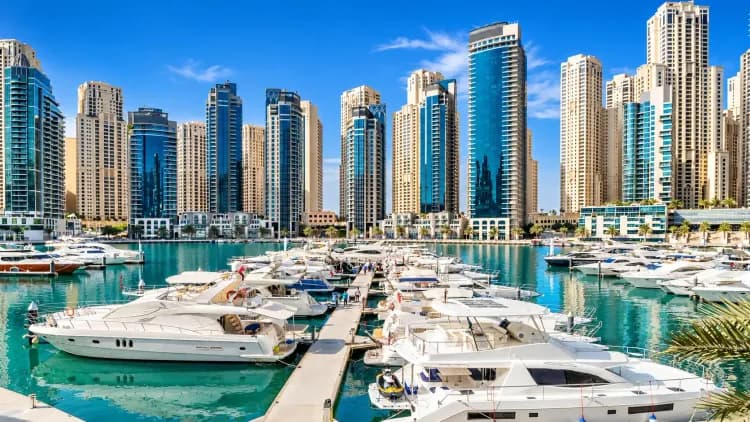
Why the World's Richest Are Choosing Dubai Over Every Other City
Discover why the world’s wealthiest investors and entrepreneurs are choosing Dubai for luxury real estate, tax advantages, global connectivity, safety and long term growth.
 Lifestyle and Community
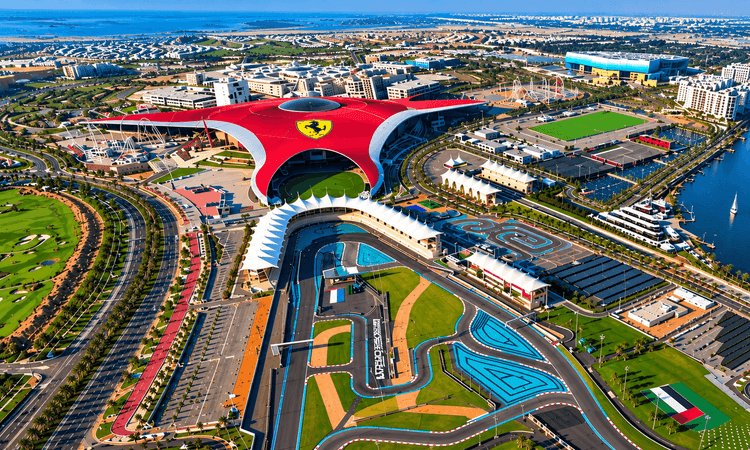
Yas Island Abu Dhabi: The Complete Guide to Lifestyle, Property and Investment (2026)
Explore Yas Island, Abu Dhabi: top communities like Water's Edge, Mayan, Noya and Yas Acres, plus rents, schools, attractions and Golden Visa tips.