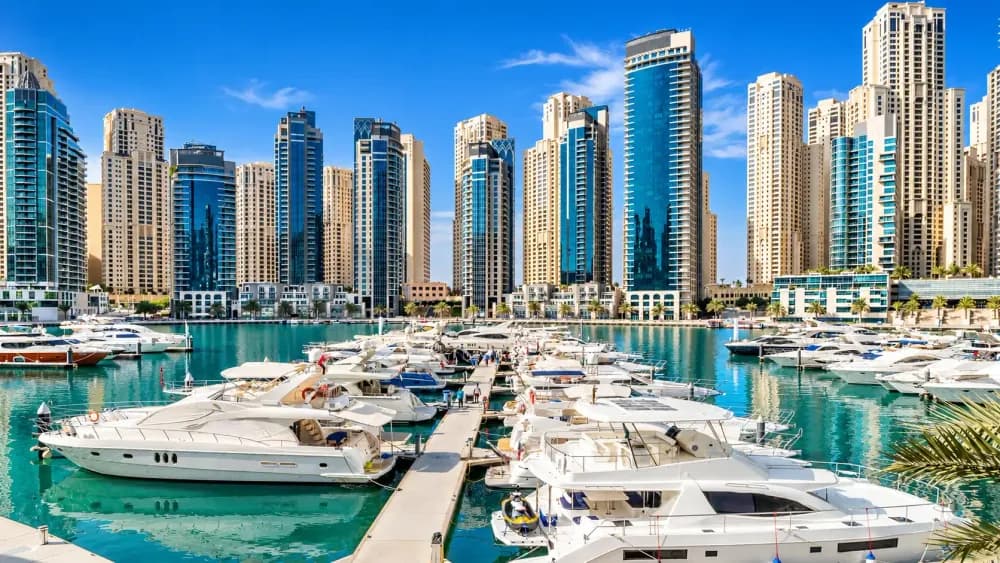
Why the World's Richest Are Choosing Dubai Over Every Other City

Table of Contents
The UAE has been at the top of the global wealth migration charts for three consecutive years. A record of 9,800 millionaires was predicted to move to the UAE in 2025 alone, more than any other nation on the planet, according to the Henley & Partners Private Wealth Migration Report. This is no coincidence or passing trend. It is the result of a specific set of benefits that global wealth has steadily gravitated toward year after year.
A Pattern Playing Out Across Countries
India provides a good illustration of this change. The country lost approximately 4,300 millionaires in 2024, with the UAE being the most common destination. This reflects a wider global trend: families, entrepreneurs, and high net worth individuals from various nations are increasingly deciding to base a significant portion of their wealth in the United Arab Emirates, even as they continue to establish businesses and uphold connections in their home countries.
What Makes Dubai the Destination of Choice
Wealthy families seldom make this type of decision based on a single factor. They are drawn to Dubai by a number of advantages that are hard to find together elsewhere. The dirham’s peg to the US dollar protects wealth from the kind of currency depreciation many emerging market currencies experience. The UAE has kept its inflation well below that of many other major economies. Zero personal income tax, zero capital gains tax and zero inheritance tax strip away layers of cost that investors face elsewhere. And owning property is a direct route to long term residency.
The last point is more important than it might seem at first. A property purchase of 2 million dirhams or more grants the buyer and their family a 10 year renewable golden visa. For families planning across generations rather than years, this one structure combines where they live, how their income is taxed and how their wealth is passed on in one simple framework.
An Economy Built to Absorb Shocks
Part of the reason for this level of investor confidence is due to what lies beneath Dubai’s property market: a genuinely resilient economy. The UAE is on the supply side of global oil, so when crude prices rise, government revenues get stronger, not weaker, and that strength flows directly into real estate demand and the wider economy. This is the reverse of what happens in many oil importing economies, where the same price increase is a pressure, not a relief. When coupled with the dirham's peg to the dollar, this provides Dubai's property market with a foundation that remains steadfast during global cycles that challenge other markets. This is precisely the type of stability that attracts serious, long term capital.
The Result Shows Up in the Numbers
Everything discussed so far: the tax structure, the currency stability, and the oil backed economy, ultimately shows up in one place: property prices. Dubai's prime residential market grew 25.1% in 2025, higher than the average for the Middle East region. The growth is directly related to the fact that thousands of wealthy families are competing for the same number of premium properties, as more and more of them choose Dubai as a place to build their long term wealth. Year after year, the city's property market is being visibly influenced by this demand, rather than waiting for it.
What This Means Going Forward
None of this implies that other markets are losing their value. It just reflects a realistic trend: more and more of the richest families in the world want to have a significant portion of their wealth in a jurisdiction designed around currency stability, tax efficiency and long term residency. Dubai has spent a significant part of a decade building just that framework, and the numbers from relocations to residential price growth, are a direct reflection of it.
For families considering where to put their long term wealth, it’s not just about returns anymore. It is about which jurisdiction provides a comprehensive structure, including currency, tax efficiency, residency, and succession planning, all under one roof. Dubai is currently outperforming nearly every other global market in this regard, and the migration data from the past three years make it difficult to ignore.
Thinking about your next Dubai property?
Talk to an XRealty specialist — market guidance, shortlists, and honest advice, no obligation.
Frequently Asked Questions
The buyer and their family are eligible for a renewable 10-year golden visa if they purchase a property worth at least 2 million dirhams.
Because the UAE is on the supply side of global oil, rising crude prices boost government revenues and real estate demand, whereas the same rise puts pressure on oil-importing economies.
What share of Dubai's foreign property market does Indian buyers represent?
According to the Dubai Land Department, 22% of all foreign real estate transactions in Dubai in 2024 were made by Indian nationals, indicating a steady and consistent level of investment activity from Indian buyers year after year.

Related Articles
 Lifestyle and Community
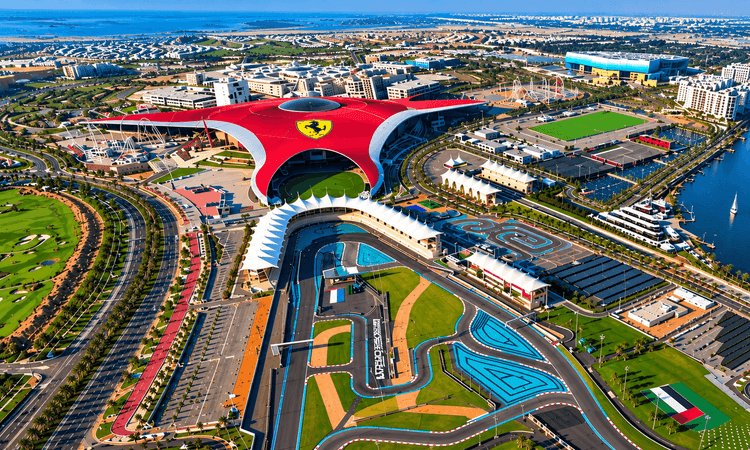
Yas Island Abu Dhabi: The Complete Guide to Lifestyle, Property and Investment (2026)
Explore Yas Island, Abu Dhabi: top communities like Water's Edge, Mayan, Noya and Yas Acres, plus rents, schools, attractions and Golden Visa tips.
 Invest In Dubai
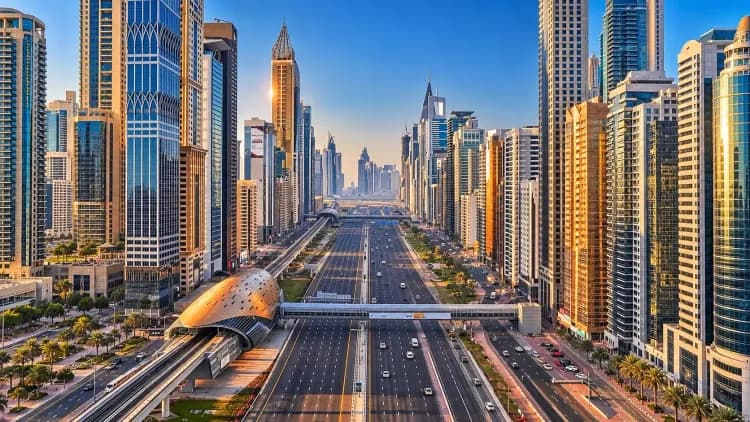
Where to Buy in Dubai in 2026: Five Areas for Different Buyer Priorities
A practical guide to five Dubai locations for end users, long term growth buyers and income focused investors.
 Market News
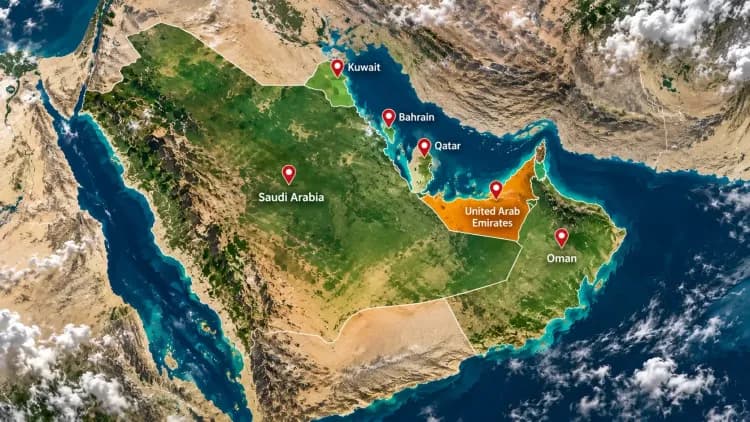
One Visa, Six Gulf Countries: What the GCC Grand Tours Visa Could Mean for Dubai Property
Explore how the planned GCC Grand Tours Visa could influence Dubai tourism, holiday homes and property demand—and what remains unconfirmed.