
Table of Contents
Mortgage Process in Dubai
Purchasing property in Dubai is a significant venture, especially for expatriates. This guide aims to simplify the complexities of obtaining a mortgage in Dubai, ensuring a smooth and informed process.

Eligibility Criteria
Expats should check for specific requirements such as minimum income thresholds, residency prerequisites, and employment duration in the UAE.
Currency Exchange Rate
Most mortgages in Dubai are denominated in UAE dirhams. Be mindful of potential fluctuations, as they can impact the overall affordability of the mortgage.
Choosing the Right Bank
Research and compare terms offered by different banks. Prioritize institutions with experience in dealing with expatriates for smoother transactions.
Getting Pre-Approved
Secure pre-approval by submitting essential documents such as your passport, residency visa, and proof of income to show your financial capability.
Preparing Necessary Documents
Gather key documents including your employment contract, bank statements, and proof of residence well in advance to avoid delays.
Interest Rate Check
Compare interest rates from various lenders and understand the difference between fixed and variable rates, considering any early repayment penalties.
Considering Additional Costs
Factor in additional costs such as service charges, maintenance fees, and property taxes to understand the total financial commitment.
Professional Advice
Collaborate with real estate agents or mortgage brokers for guidance through property selection, negotiation, and ensuring a smooth transaction.
Consulting with a Legal Expert
Legal advice is crucial to comprehend Dubai’s real estate laws. Consult a legal expert to ensure transparency in your mortgage agreement.
Loan-To-Value Ratio Awareness
Understand the LTV ratio, which typically requires a minimum down payment of 25%. Make sure you have sufficient funds for the down payment.
Repayment Options Understanding
Choose between fixed and variable-rate mortgages based on your financial situation, considering the pros and cons of each option.
Considering Property Type
Different property types come with distinct requirements. Ensure you meet the specific criteria associated with the property type you desire.
Location and Amenities Consideration
Choose a location that aligns with your lifestyle, considering proximity to essential amenities like schools, shops, and recreational facilities.
Finalizing the Mortgage Agreement
Once approved, sign the mortgage agreement outlining terms such as interest rates, repayment periods, and penalties for late payments.
Registering the Mortgage
Register the mortgage with the Dubai Land Department by paying the necessary registration fees and submitting the required documents.
Getting Insurance
Consider home insurance to protect your property against unexpected events such as natural disasters or theft.
Conclusion
Obtaining a mortgage in Dubai may seem complex, but with thorough research and preparation, it becomes a manageable process. Choose the right lender, fulfill necessary requirements, secure pre-approval, submit documents, pay fees, finalize the agreement, register the mortgage, and consider insurance to safeguard your investment.
Thinking about your next Dubai property?
Talk to an XRealty specialist — market guidance, shortlists, and honest advice, no obligation.
Frequently Asked Questions
It takes around ten working days to get a final mortgage offer letter.
A mortgage can be no greater than 7 times your annual income (i.e. 84 months)
Abu Dhabi Islamic Bank (ADIB) In UAE National Bank of Abu Dhabi (NBAD) Commercial Bank International (CBI) HSBC Bank RAKBANK
Related Articles
 NRI Investment
The Real Reason Indian Investors Never Stopped Buying Dubai Real Estate
Discover why Indian investors continue to choose Dubai real estate, from tax efficiency and rental yields to currency stability, residency benefits and long term growth.
 Invest In Dubai
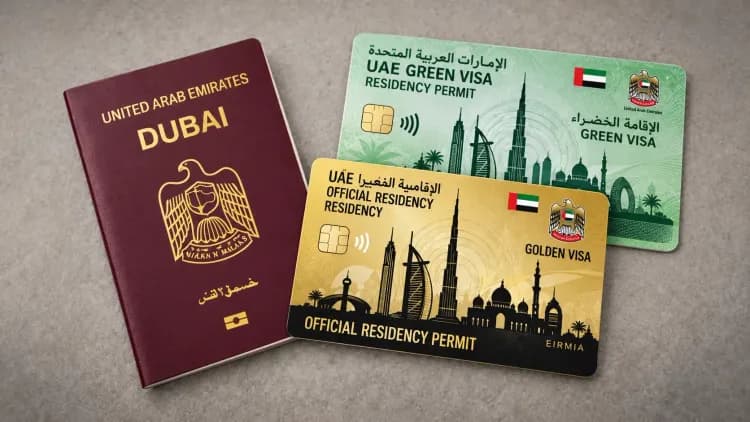
Green Visa vs Golden Visa in the UAE: A Simple Comparison for Investors
Compare the UAE Green Visa and Golden Visa for investors, including eligibility, benefits, residency options and key differences to understand which route may suit your plans.
 Legal Process