How Indian Developers and Institutional Investors Can Enter Dubai's Land Market in 2026
Indian developers and institutional investors ready to enter Dubai's land market in 2026, Explore freehold plot zones, entry structures and legal frameworks.

For more than 20 years, Dubai’s waterfront has been a symbol of ambition and reinvention. Each cycle of development has reflected a shift in how people want to live in the city. In the early 2000s, buyers were drawn to the novelty and prestige of addresses like Palm Jumeirah and Dubai Marina. Today’s demand looks different. The appetite for waterfront living remains strong, but the criteria that define prime value have matured. Privacy, connectivity, managed exclusivity, environmental resilience, and long term lifestyle quality now guide decision making.
This evolution is shaping for a new generation of coastal districts. They retain the appeal of water, light and views, yet respond to a more global and discerning audience. The result is a wider geography of prime zones that stretches far beyond the traditional icons.
In the early years, waterfront projects were designed to show what the city could build. Dubai Marina introduced a residential skyline with direct access to promenades, yachts, and dining. Palm Jumeirah created a new category of private coastal living, supported by villas, crescents, resorts, and branded residences. These were engineering achievements that reshaped Dubai’s international identity.
During this phase, demand was driven by investors who valued novelty, design statements, and the promise of capital appreciation. The focus remained on flagship landmarks, and prime zones were geographically narrow. Waterfront living was defined by proximity to retail destinations, recognizable landmarks, and resort style amenities.
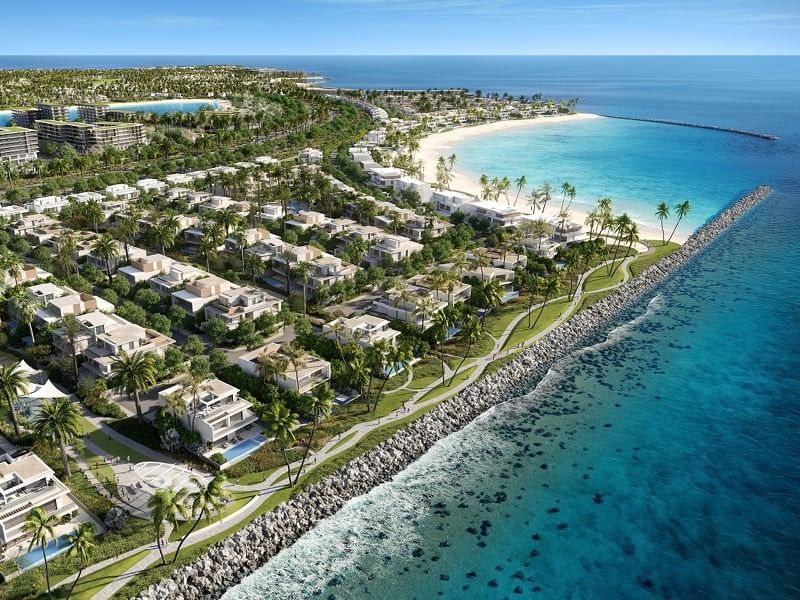
Demand for waterfront property intensified after 2021 but for different reasons. Buyers are now motivated by lifestyle stability, safety, and long-term residency planning. Many of them are end users rather than pure investors, and their expectations reflect global standards. Views and water access remain central, although buyers increasingly look at the full ecosystem that surrounds a waterfront home.
Several themes now influence the definition of prime locations:
Connection over isolation - Buyers want privacy, yet they prefer districts that remain integrated with the rest of the city. This creates sustained value because the property feels livable throughout the year.
Low density as a marker of luxury - Spacious layouts, open water frontage, and controlled building height contribute to a sense of calm that high net worth individuals consistently seek.
Future proof planning - Walkability, managed traffic flow, public realm quality, and environmental engineering now shape perceptions of long-term value.
Clear regulatory frameworks - Transparent ownership laws, visa pathways, and stable economic policy continue to reinforce Dubai’s appeal for long term decisions.
These expectations are shaping how developers design waterfront districts today. The city is no longer focused on single landmark islands. Instead, it creates a network of coastal environments, each with a distinct identity and purpose.
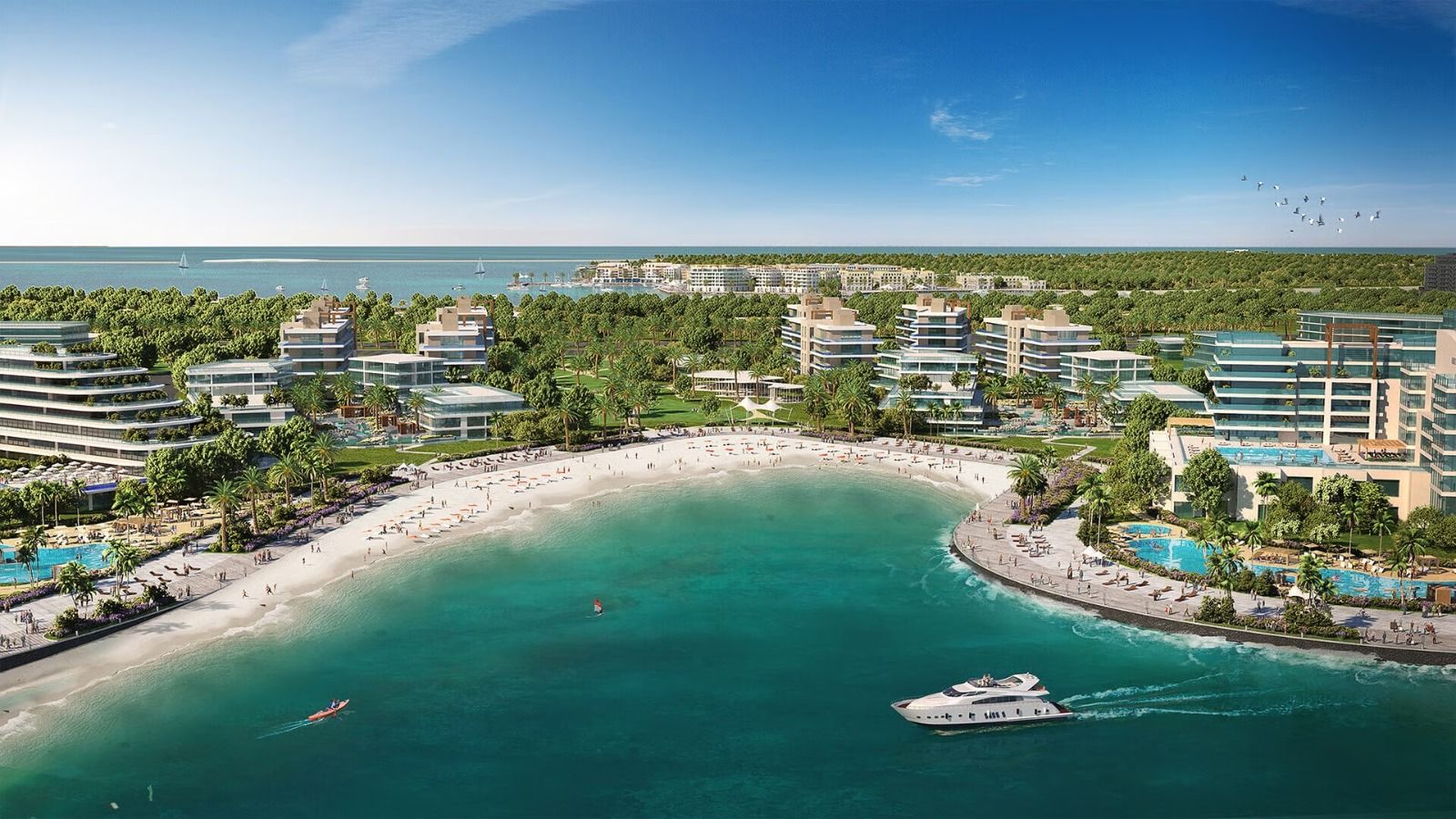
The next chapter of Dubai’s coastal development is more diverse and more intentional. Buyers are drawn to locations that offer uninterrupted water views, strong connectivity to key hubs, and clear long-term planning. Three areas illustrate this shift.
Maritime City is transitioning from a specialized maritime hub into a luxury waterfront district shaped by high design standards. Its location between Port Rashid and the historic coastline creates a rare blend of heritage, water views, and quick access to Downtown and DIFC. Developers such as Omniyat are setting up the tone through projects that prioritize privacy, architecture and luxury hospitality services. The arrival of Beyond by Omniyat reinforces the direction of the district.
The area offers open waterfront corridors, marina proximity and a protected coastline, which helps create a calmer urban environment. Its appeal is rising among end users who want a refined alternative to the busier marina zones, supported by direct road links and future connectivity upgrades.
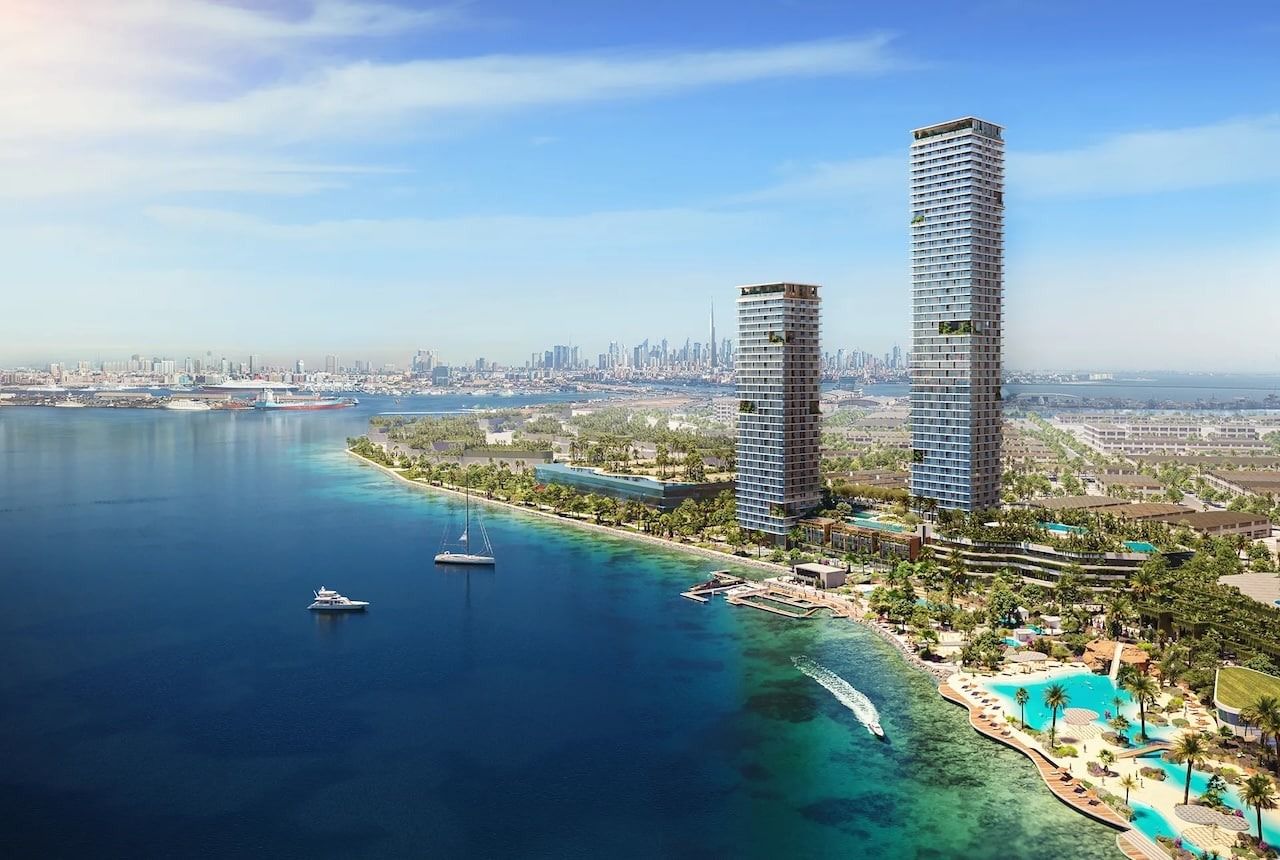
Dubai Islands represents one of the most significant reshaping efforts of the northern coastline. The plan focuses on creating a series of residential beachfront communities supported by walkable promenades, resorts, cultural venues and recreational spaces. Buyers see Dubai Islands as a location with long term uplift potential because it brings a large stretch of natural beachfront closer to established parts of the city.
The masterplan emphasizes open space, low density plots and multiple beachfront access points. It creates a more relaxed residential character than earlier island developments. Early sales activity indicates interest from buyers seeking a waterfront home that balances privacy with access to established neighborhoods like Deira, Port Rashid and Dubai Creek.
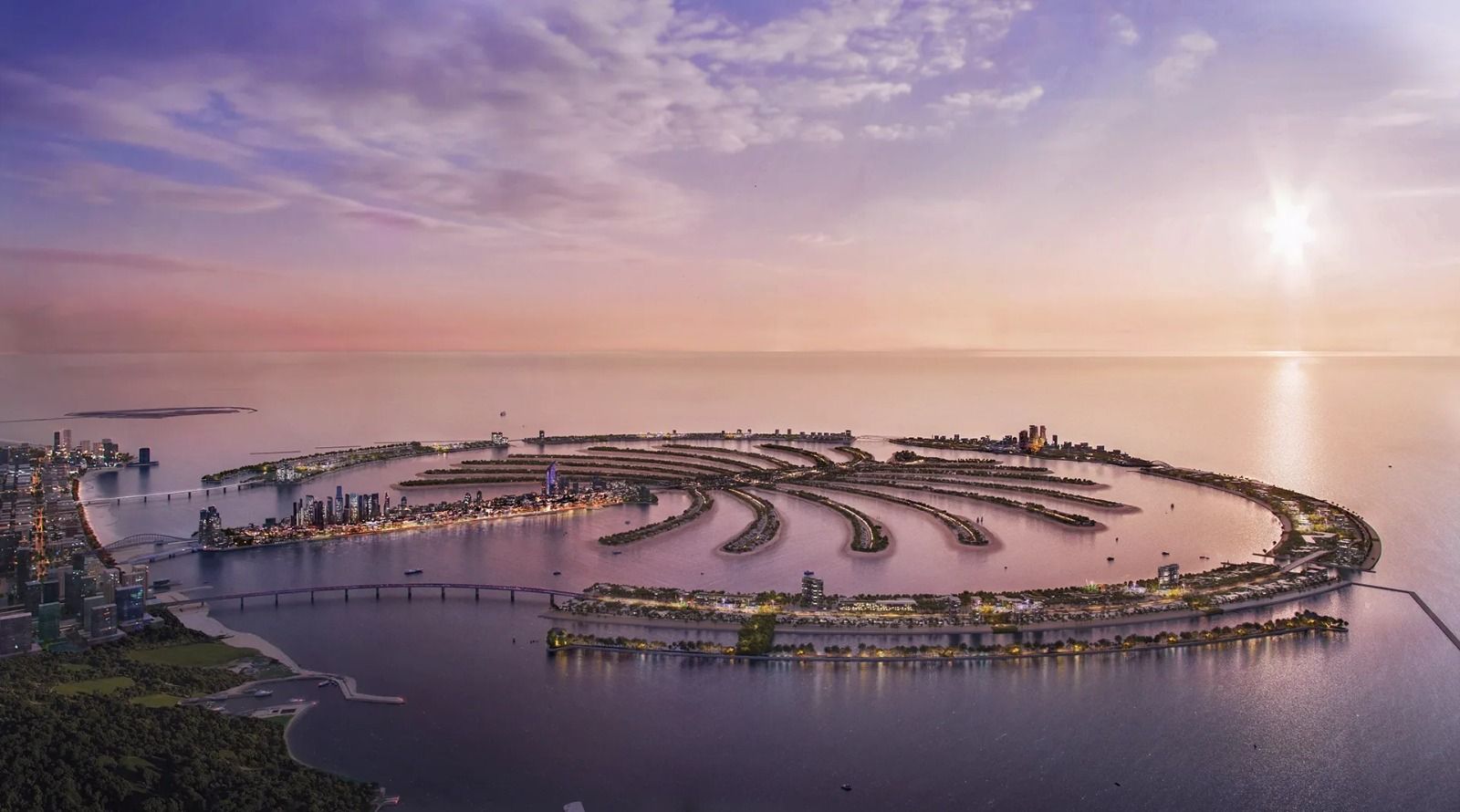
Palm Jebel Ali marks the return of large scale engineered islands, although its planning approach feels more mature compared to its predecessor. The new masterplan focuses on expansive villas, wider beachfronts, and neighborhoods that prioritize space and privacy. The scale of the plots and the architectural direction give buyers the ability to own ultra prime beachfront homes that feel secluded while remaining part of an organized community.
Its location positions it as a long-term growth corridor. Demand for Palm Jumeirah has created a value ceiling that redirects attention to Palm Jebel Ali, where buyers can secure new build beachfront property with a greater choice of styles and layouts. For legacy minded investors, this district represents a new frontier for long horizon capital allocation.
The expansion of prime waterfront zones shows that demand is no longer concentrated in a single iconic district. Buyers seek water, although they also value choice and variation. Three observations stand out.
Instead of one or two landmarks, Dubai’s waterfront value is now distributed across several districts, each with its own character and pricing logic.
Waterfront homes that connect easily to schools, business districts, airports and leisure destinations attract stronger end user demand, which supports long term price stability.
The market is gravitating toward timeless, low-density environments that balance visibility with calm. Buyers favour districts that support daily living rather than seasonal usage.
Dubai’s waterfront story is entering a phase defined by thoughtful planning and a more nuanced form of luxury. Maritime City, Dubai Islands and Palm Jebel Ali represent this shift. They combine meaningful design, modern infrastructure and long horizon value creation.
Dubai’s waterfront areas are shifting from landmark-focused development to lifestyle-driven, low-density and future-ready districts. New zones like Dubai Maritime City, Dubai Islands and Palm Jebel Ali prioritise privacy, connectivity, environmental resilience and long-term liveability.
Dubai Maritime City is gaining prominence due to its protected coastline, luxury-focused masterplan, architectural standards and central connectivity to Downtown Dubai, DIFC and Port Rashid. It offers a calmer environment compared to traditional marina districts.
Dubai Islands combines expansive natural beachfront, low-density residential planning, cultural amenities and strong access to established city hubs. Buyers see it as a long-term uplift zone with significant lifestyle and capital appreciation potential.
Palm Jebel Ali introduces a more mature planning approach with wider beachfronts, larger villa plots and low-density neighbourhoods designed for privacy. It offers new-build beachfront homes with greater layout variety, making it appealing for legacy oriented investors.
Modern buyer demand prioritises privacy, connectivity, infrastructure quality, environmental engineering, walkability and low-density design. Prime value is increasingly linked to long-term lifestyle stability rather than seasonal or landmark based appeal.
Indian developers and institutional investors ready to enter Dubai's land market in 2026, Explore freehold plot zones, entry structures and legal frameworks.
Dubai real estate pipeline data through 2030, understand where supply is concentrated and what it means for your investment strategy.
Downtown Dubai vs Dubai Hills Estate in 2026, the capital appreciation data, buyer pool shifts and why one community now wins for first time buyers.