
How Indian Developers and Institutional Investors Can Enter Dubai's Land Market in 2026
Indian developers and institutional investors ready to enter Dubai's land market in 2026, Explore freehold plot zones, entry structures and legal frameworks.
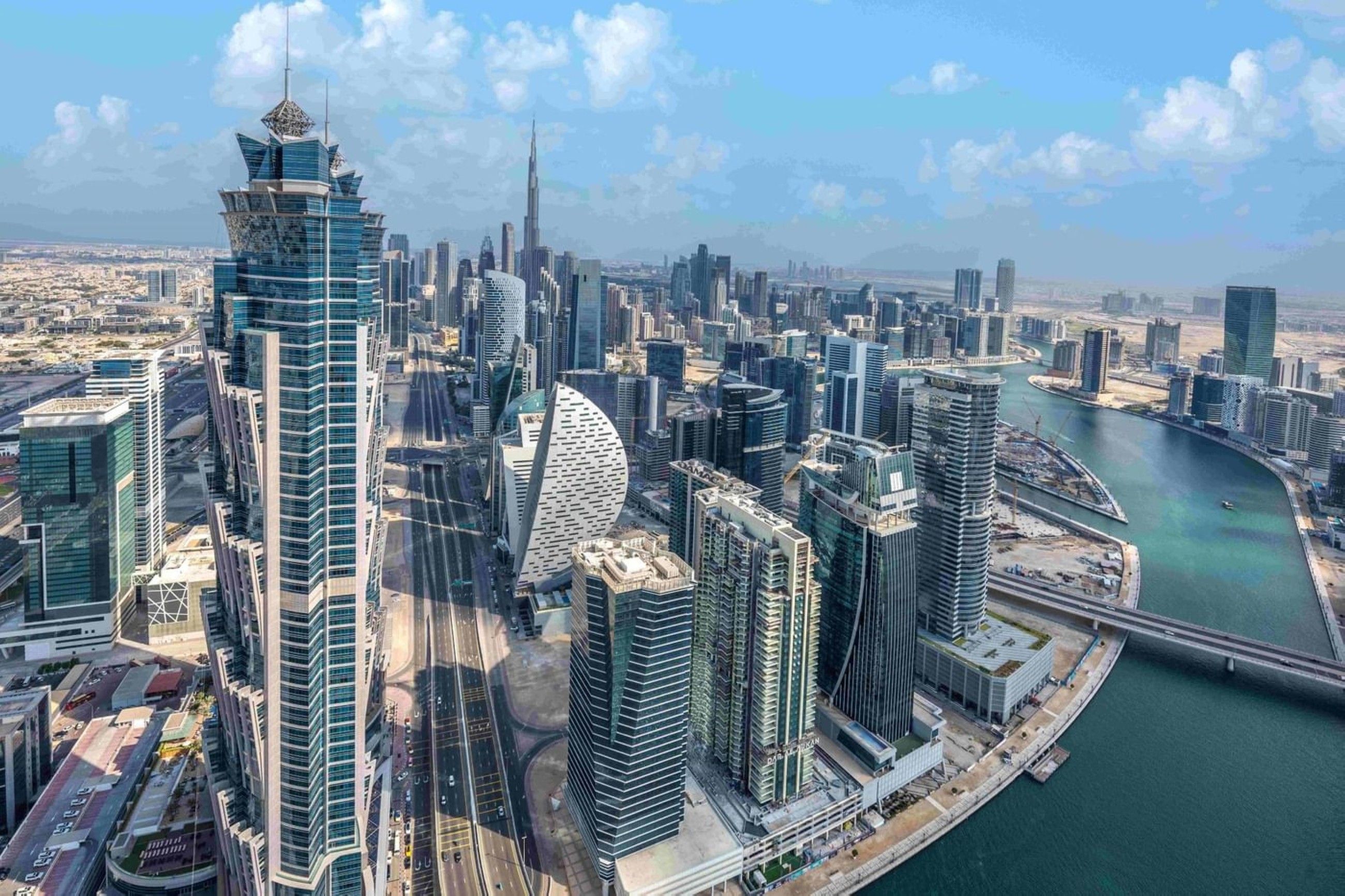
Dubai’s real estate market has once again proven its exceptional resilience and dynamism, recording a impressive 26% surge in property transactions during the first half of 2025 when compared to the same period in 2024. This substantial growth underscores a burgeoning confidence among both local residents and international investors, signaling a shift towards long-term commitment in one of the world's most vibrant cities. Notably, a significant portion of this momentum stems from tenants who are increasingly opting to transition into homeowners, drawn by the promise of stability, equity building, and the allure of Dubai's lifestyle offerings.
This upward trajectory is not merely a statistical anomaly but a reflection of broader economic trends, including sustained population growth, strategic government policies and the city's evolution into a global hub for business, tourism and innovation. As Dubai continues to attract talent from around the world, the real estate sector stands as a cornerstone of its economic prosperity, offering opportunities for wealth generation and secure living.
The first six months of 2025 have been marked by record-breaking activity in Dubai's property landscape. Here are the standout figures that paint a vivid picture of this thriving market:
These metrics not only demonstrate quantitative growth but also qualitative improvements in market accessibility and diversity, making Dubai an increasingly inclusive arena for property investment.
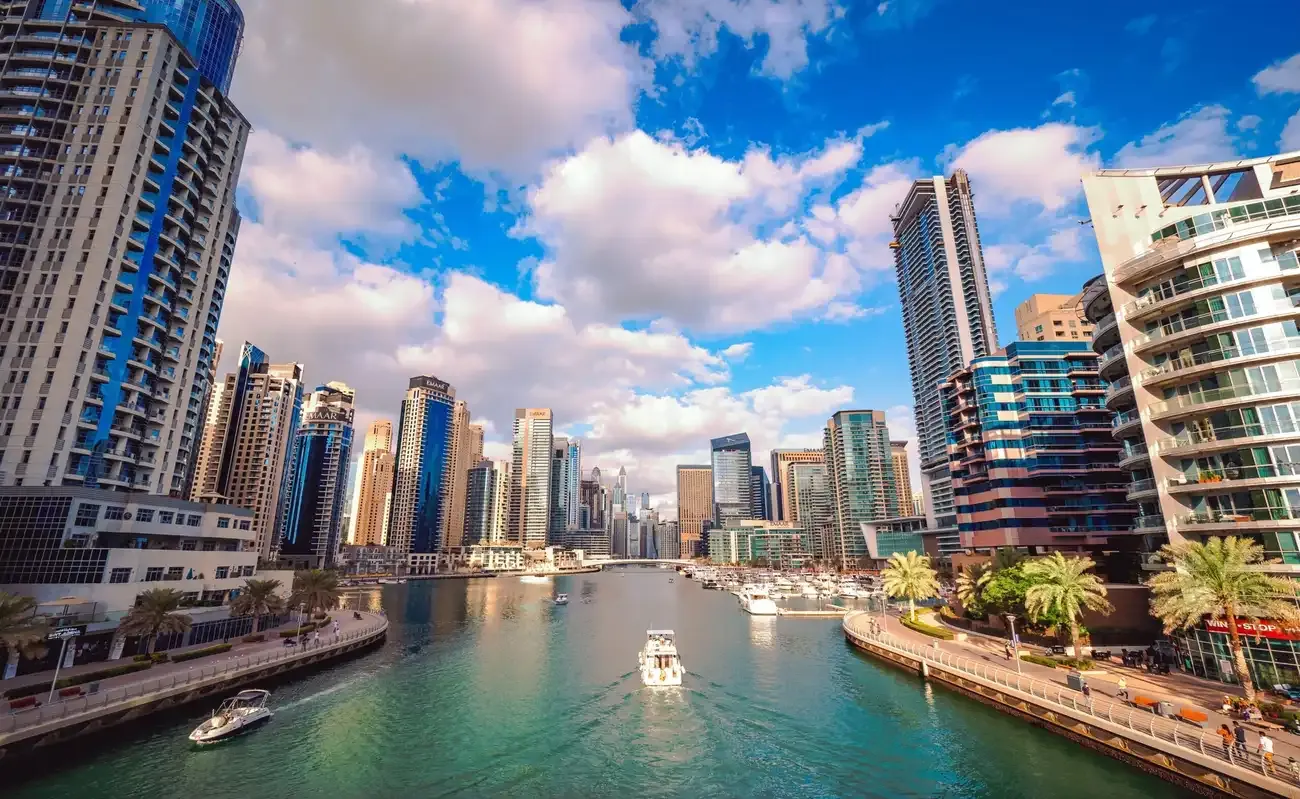
Several interconnected factors are propelling this remarkable surge, creating a virtuous cycle of demand, supply, and innovation in Dubai's real estate sector. From behavioral shifts among residents to proactive governmental strategies, these drivers are reshaping the market landscape.
At the heart of Dubai's property boom is the evolving mindset of its residents, particularly tenants who are now embracing homeownership in record numbers. With UAE residents comprising nearly half of new investors, this trend highlights a desire for permanence in a city known for its transient population. Factors such as rising rental costs, coupled with historically low interest rates on mortgages, have made buying a more financially attractive option than renting over the long term.
This transition is also driven by the psychological benefits of ownership—building personal equity, customizing living spaces, and securing a foothold in a rapidly appreciating market. For many, especially families and professionals settling in Dubai for the foreseeable future, purchasing property represents not just an investment but a step towards establishing roots in a city that offers world-class amenities, from state-of-the-art healthcare and education to unparalleled entertainment options.
Dubai's government has long been a catalyst for economic growth, and its real estate policies in 2025 exemplify this forward-thinking approach. By introducing and expanding initiatives like residency permits tailored for retirees and remote workers, the authorities have broadened the pool of potential buyers, attracting a diverse array of global talent.
The 10-year Golden Visa program, now more inclusive than ever, provides long-term security for high-net-worth individuals, entrepreneurs, and skilled professionals, encouraging them to invest in local properties. Adding to this, a groundbreaking scheme launched earlier this month specifically targets Emiratis and UAE residents without existing freehold residential properties. This program grants priority access to new developments, off-plan projects, and existing inventory, along with enticing discounts from leading developers. Such measures not only stimulate demand but also promote social equity by making homeownership more attainable for underrepresented groups.
Furthermore, regulatory reforms aimed at streamlining transactions—such as digitalized processes for registrations and approvals—have reduced bureaucratic hurdles, enhancing market liquidity and efficiency. These incentives collectively create an environment where investment risks are mitigated, and returns are amplified, drawing in both domestic and foreign capital.
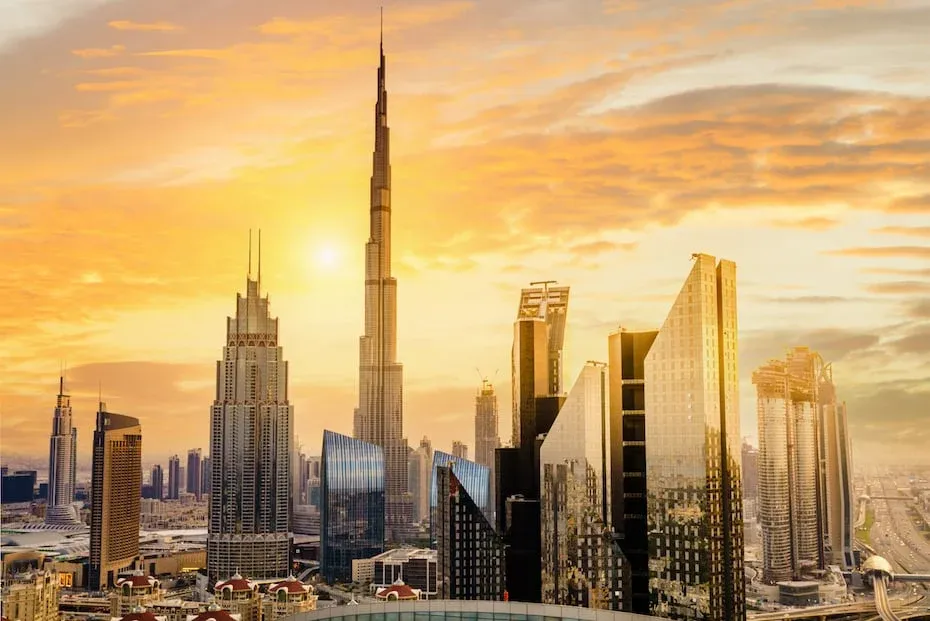
Certain areas in Dubai continue to outshine others, with Dubai Marina emerging as the undisputed leader in transaction value at AED 25.1 billion for H1 2025. This district's allure lies in its seamless blend of luxury residences, stunning marina views, and a bustling community vibe, complete with high-end dining, retail, and recreational facilities. It's a magnet for affluent buyers seeking waterfront lifestyles and strong rental yields.
Other hotspots, such as Downtown Dubai, Palm Jumeirah and emerging communities like Dubai Hills Estate, are also witnessing robust activity. These locations benefit from ongoing infrastructure developments, including enhanced connectivity via metro expansions and smart city initiatives, which further elevate property values. The diversity of options—from ultra-luxury villas to mid-range apartments—ensures that prime areas cater to a wide spectrum of buyer preferences, sustaining the overall market surge.
Looking ahead, the momentum in Dubai’s real estate market positions it for continued expansion, offering a compelling case for entry or expansion in portfolios. The surge in transactions signals not just recovery but a new era of prosperity, where property ownership becomes more democratized and rewarding.
A 26% rise in transactions is driven by government incentives, population growth and residents shifting from renting to buying.
Yes. With rising rents, attractive mortgage rates, and exclusive incentives, 2025 offers strong value for both residents and investors.
Dubai Marina leads with AED 25.1B in transactions, followed by Palm Jumeirah, Downtown and Dubai Hills Estate.
Golden Visas, remote worker permits and resident-only property programs are fueling buyer interest and long-term stability.
Indian developers and institutional investors ready to enter Dubai's land market in 2026, Explore freehold plot zones, entry structures and legal frameworks.
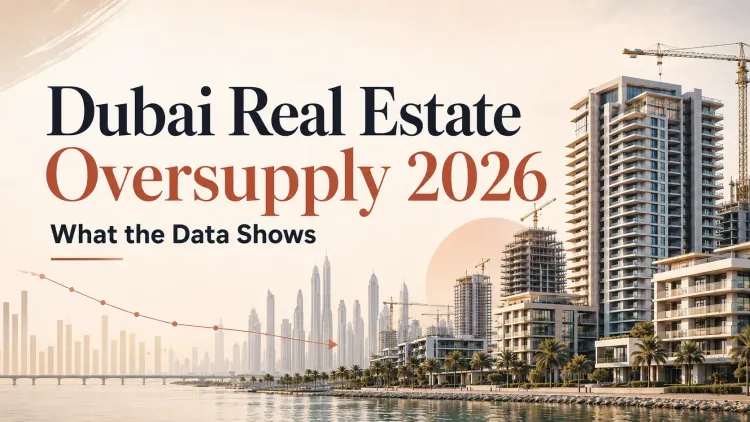
Dubai real estate pipeline data through 2030, understand where supply is concentrated and what it means for your investment strategy.
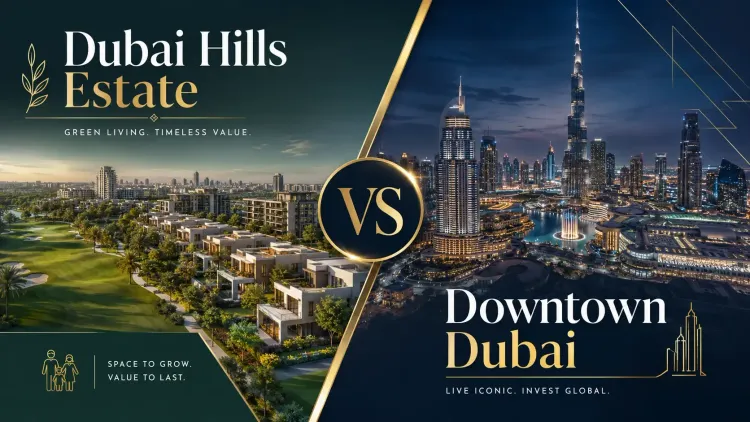
Downtown Dubai vs Dubai Hills Estate in 2026, the capital appreciation data, buyer pool shifts and why one community now wins for first time buyers.