
How Indian Developers and Institutional Investors Can Enter Dubai's Land Market in 2026
Indian developers and institutional investors ready to enter Dubai's land market in 2026, Explore freehold plot zones, entry structures and legal frameworks.
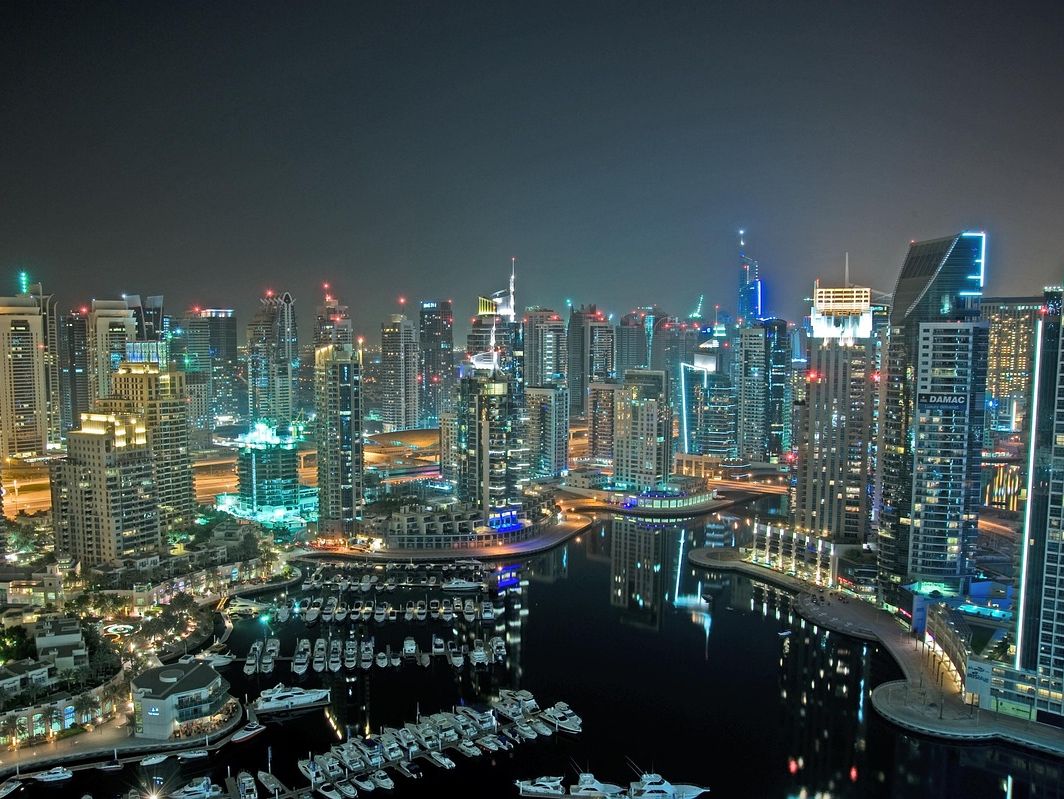
Dubai’s economic policies are designed to work in tandem with the city’s real estate market, creating a dynamic ecosystem for growth. As the city diversifies away from oil and develops into a global business hub, the ripple effects of these policies are directly boosting the demand for real estate.
One of the most significant drivers of this growth is foreign direct investment (FDI). The UAE ranked second globally in greenfield FDI project announcements in 2024, with FDI inflows rising by 35%, reaching $30.7 billion. This surge in investment, particularly in sectors like logistics, finance, and technology, is contributing to both commercial and residential real estate demand.
Dubai has also ensured that its real estate market remains attractive to investors by building world-class infrastructure. Dubai South, a $500 billion project, is one such example. With the future Al Maktoum International Airport, Jebel Ali Port and the Etihad Railways, this project is positioned to attract businesses and residents in the years to come. The proximity to these major infrastructures makes areas within Dubai South prime candidates for real estate investment.
When evaluating any real estate market, key metrics such as Return on Investment (ROI), affordability, and supply-demand dynamics are essential. Dubai’s real estate market stands out for its favorable rental yields (5-9%) compared to other global cities like London (3%), New York (3.5%), and Singapore (3.5%). This is a testament to the high profitability of investing in Dubai properties.
Perhaps the most important metric, however is supply vs. demand. According to conservative forecasts, Dubai’s population will continue to grow at 3.5% annually, which means an additional 50,000 homes will be needed each year. However, developers are only expected to deliver around 40,000 homes per year, exacerbating the supply-demand imbalance. This sets the stage for long-term price appreciation.
For real estate investors, understanding the broader economic policies and the ongoing infrastructural investments in Dubai is crucial. These factors create a sustainable environment for growth and long-term value in the real estate market.
Dubai offers high rental yields (5–9%), rising FDI (+35% in 2024), and major infrastructure growth, making it a top global investment hub.
Projects like Dubai South, Al Maktoum Airport and Etihad Rail boost connectivity and demand, driving long-term property appreciation.
Yes. Dubai needs 50,000 new homes annually but delivers only 40,000, creating a supply shortage that supports price growth.
Dubai offers 5–9% rental yields, outperforming cities like London (3%) and New York (3.5%), making it ideal for high-return investment.
Indian developers and institutional investors ready to enter Dubai's land market in 2026, Explore freehold plot zones, entry structures and legal frameworks.
Dubai real estate pipeline data through 2030, understand where supply is concentrated and what it means for your investment strategy.
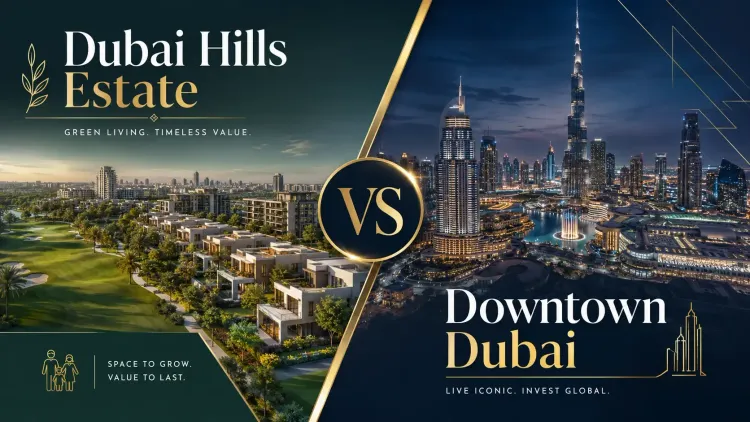
Downtown Dubai vs Dubai Hills Estate in 2026, the capital appreciation data, buyer pool shifts and why one community now wins for first time buyers.