
How Indian Developers and Institutional Investors Can Enter Dubai's Land Market in 2026
Indian developers and institutional investors ready to enter Dubai's land market in 2026, Explore freehold plot zones, entry structures and legal frameworks.
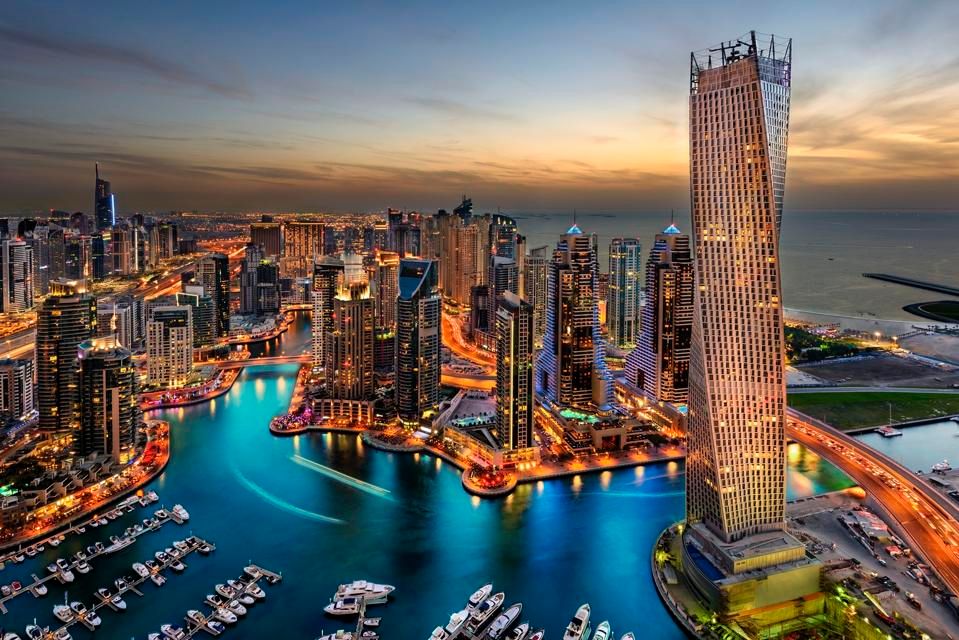
A City Where Dreams Meet Reality:- Picture a city where luxury knows no limits, where homes are not just residences but bold statements of opulence and innovation. That’s Dubai in 2025. In the second quarter, the luxury real estate market for homes priced above $10 million achieved an impressive $2.6 billion in sales, marking a 37% increase from Q1 and a 63% rise from Q2 2024. This isn’t just about numbers, It’s about a city that thrives amidst global uncertainties, blending stability, extravagance, and a forward-thinking commitment to sustainability. Let’s explore the trends, drivers, and opportunities shaping Dubai’s luxury property landscape as of July 8, 2025.
The luxury property market in Dubai has shown remarkable growth, with key statistics highlighting its strength:
| Aspect | Details |
|---|---|
| Sales Value (Q2 2025) | $2.6 billion (37% increase from Q1, 63% from Q2 2024) |
| Transactions | 143, up 52% year-over-year, including 22 sales above $25 million |
| Price Growth | 18% year-over-year in 10 luxury neighborhoods |
| Property Types | Apartments: 80 sales, Villas: 63 sales |
| Resale Rate | ~5% within 12 months (down from 25% in 2008) |
| Key Hotspots | Palm Jumeirah, La Mer, Downtown Dubai, Palm Jebel Ali, Meydan Avenue |
| New Horizons | Emerging Luxury Hotspots |
While Palm Jumeirah led with 28 sales above $10 million in Q2 2025, followed by La Mer (23) and Downtown Dubai (16), new neighborhoods are gaining prominence. Palm Jebel Ali and Meydan Avenue have seen price growth exceeding 200% over the past five years, driven by their blend of exclusivity and sustainability. Developments in these areas often feature energy-efficient designs, solar-powered systems, and lush green spaces, appealing to eco-conscious buyers. Other areas like Al Barsha, with projects like Oak Villas, and Jumeirah Village Circle (JVC), with Westar Les Maisonettes, are also attracting attention for their luxury offerings and investment potential.
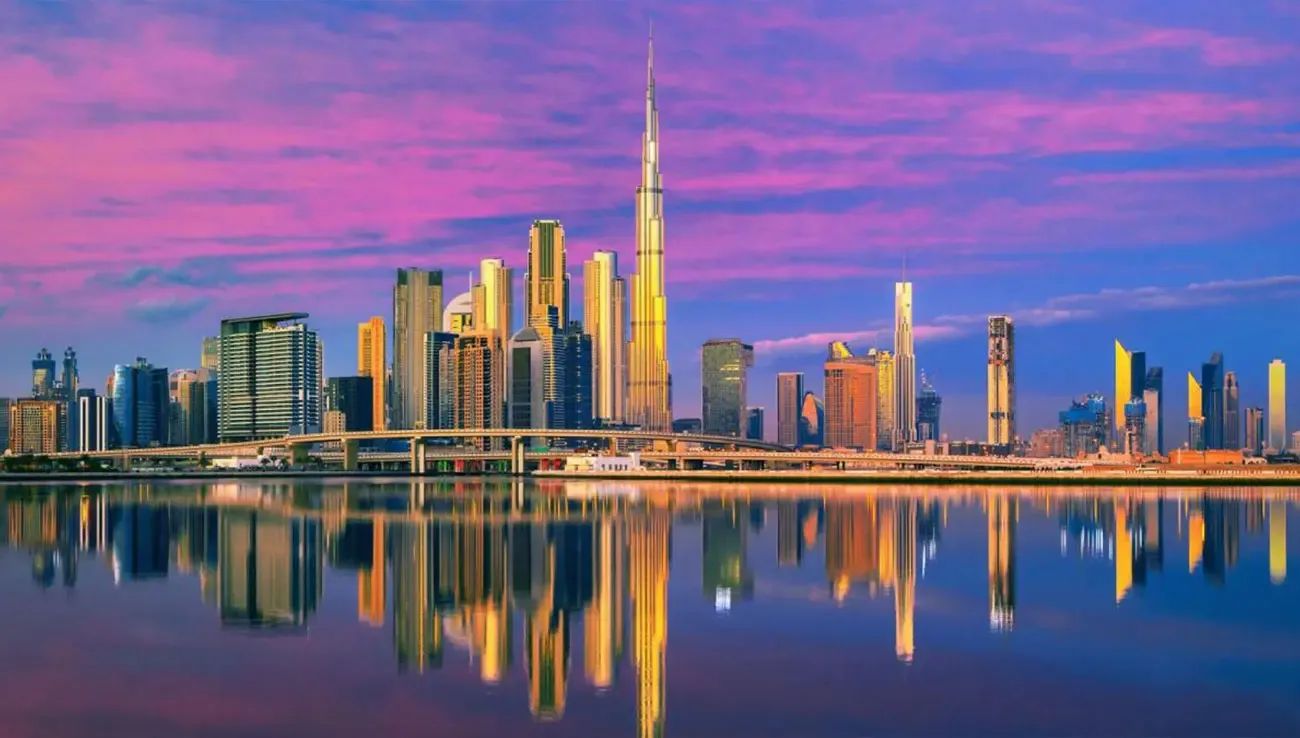
Several factors contribute to the market’s resilience and growth:
Investing in Dubai’s luxury real estate offers compelling benefits:
The Dubai Land Department’s Smart Rental Index, introduced in 2025, rates residential buildings on a one-to-five-star scale based on over 60 criteria, linking ratings to permissible rent increases. This promotes transparency and fairness in the rental market. Policies like a three-year rent freeze in some emirates and enhanced visa programs further support market stability, reinforcing Dubai’s investor-friendly environment.
While the market’s performance is strong, potential challenges loom:
Despite these challenges, the long-term outlook remains positive, driven by Dubai’s economic growth, foreign investment, and initiatives like the Dubai Real Estate Strategy 2033. The focus on sustainability is expected to boost demand for eco-friendly properties, which may command premium prices.
Dubai’s luxury property market is a fascinating blend of extravagance and innovation. The integration of sustainability into high-end living reflects a city that’s not just chasing wealth but shaping a responsible future. Picture owning a villa that combines breathtaking luxury with solar power and green spaces. That’s the kind of vision that sets Dubai apart.
The market’s resilience is remarkable. Despite global uncertainties, Dubai continues to draw the world’s elite with its secure, exclusive lifestyle. Emerging hotspots like Palm Jebel Ali and Meydan Avenue offer investors a chance to get in early on the next wave of growth.
Dubai’s strategic focus on sustainability and global appeal ensures its staying power. For investors, targeting sustainable properties in high-demand areas could be a strategic move. It’s not just about owning a home, it’s about investing in a future where luxury and responsibility coexist.
Strong investor demand, stable governance, golden visa policies, and a 63% YoY sales increase are fueling growth.
Palm Jebel Ali, Meydan Avenue, and JVC offer strong yields, capital growth, and eco-friendly developments.
Eco-friendly projects like The Sustainable City attract buyers, with green homes cutting utility costs by up to 35%.
An upcoming supply surge may cause a 10–15% correction, but low resale rates suggest long-term market maturity.
Indian developers and institutional investors ready to enter Dubai's land market in 2026, Explore freehold plot zones, entry structures and legal frameworks.
Dubai real estate pipeline data through 2030, understand where supply is concentrated and what it means for your investment strategy.
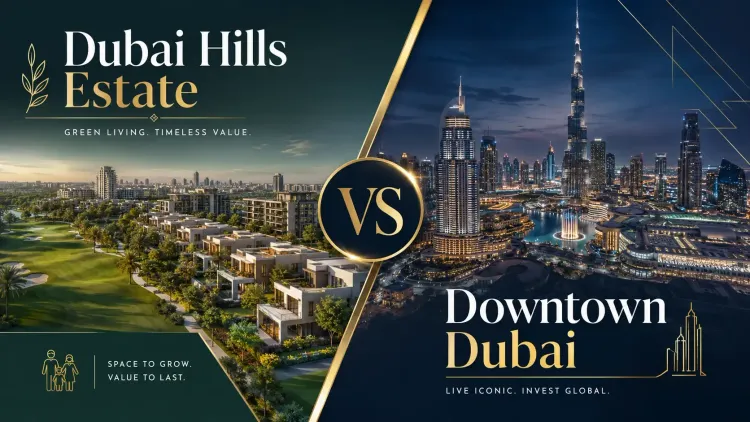
Downtown Dubai vs Dubai Hills Estate in 2026, the capital appreciation data, buyer pool shifts and why one community now wins for first time buyers.