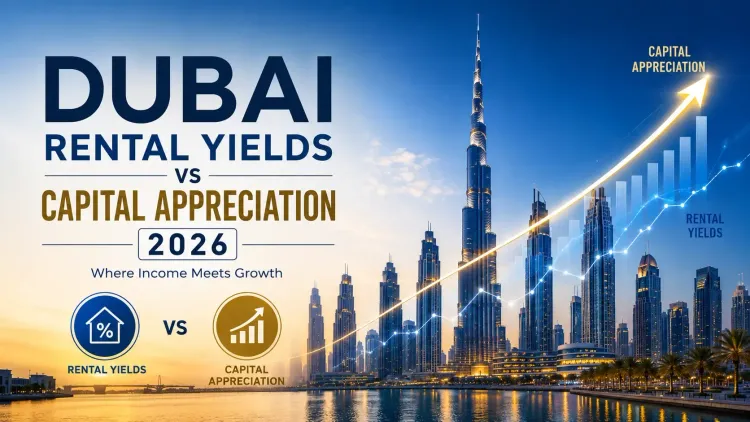
Dubai Rental Yields vs Capital Appreciation 2026: The Total Return Framework
Compare Dubai rental yields and capital appreciation in 2026. Learn how yield, growth and liquidity shape total returns across communities.
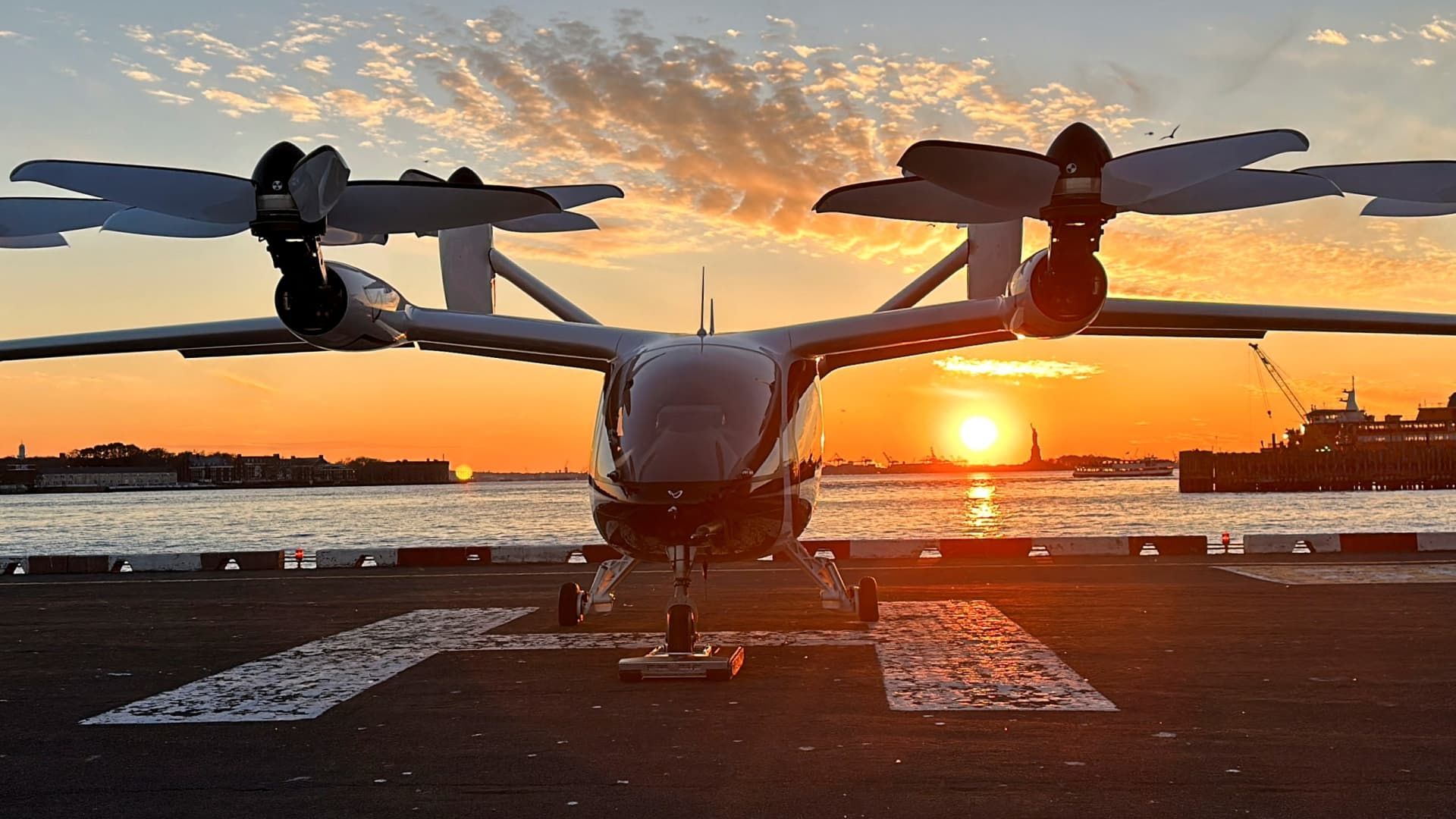

Dubai has long been a city where bold visions turn into reality. From the world’s tallest building to man-made islands visible from space, the emirate has consistently proven its ability to bring the future to life. Now, Dubai is preparing for its most ambitious transportation leap yet, the introduction of commercial flying taxis by 2026, powered by Joby Aviation.
This innovation won’t just change how people move across the city. It’s set to transform Dubai’s infrastructure, real estate market and global investment appeal.
Flying taxis once belonged to science fiction. But in mid-2025, Joby Aviation shattered that boundary by conducting 21 piloted test flights of its all-electric aircraft in Dubai. These successful demonstrations proved the technology is no longer experimental, it’s ready for real-world operations.
Several key milestones underscore how advanced this project already is:
With infrastructure in progress and government partnerships secured, Dubai is firmly on track to launch the service in 2026.
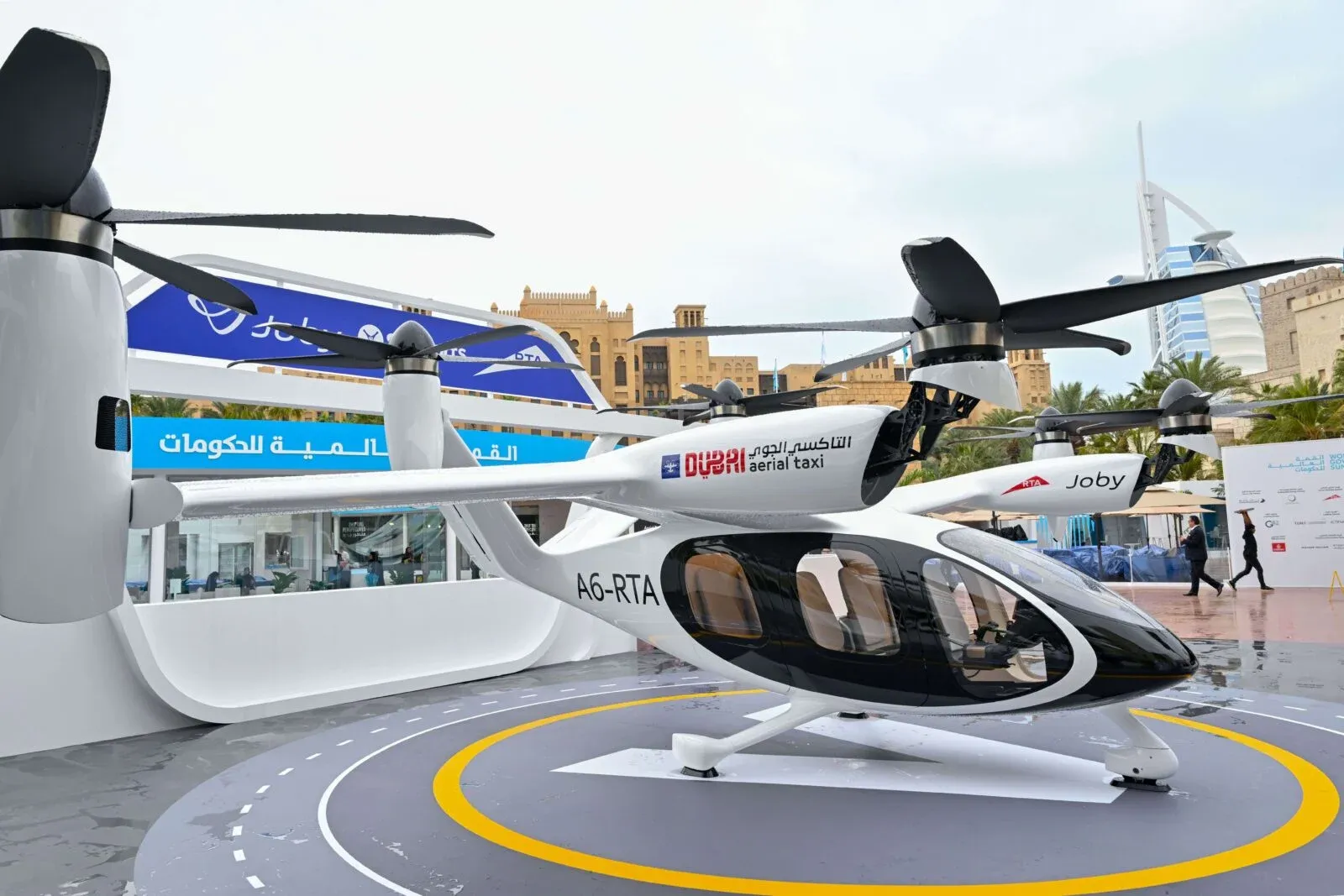
The importance of this project goes far beyond speed or convenience. Flying taxis represent a paradigm shift in urban mobility that will ripple across the city’s economy, especially real estate.
Imagine a world where the trip from DXB Airport to Palm Jumeirah takes 10 minutes instead of 45. By dramatically reducing travel time between key hubs, flying taxis will boost the value of properties in connected zones. Just as metro stations and new highways created “premium corridors” in the past, vertiports will become magnets for demand and appreciation.
Dubai already ranks as one of the most desirable global cities for high-net-worth residents. The addition of flying taxis reinforces its reputation as a future-ready destination, where convenience, exclusivity, and innovation converge. For global talent and UHNW investors, this ecosystem of advanced mobility adds a powerful reason to choose Dubai over other financial hubs.
History has a clear lesson: every transportation revolution transforms real estate.
Flying taxis are not just an innovation, they are the next stage of infrastructure-led growth.
For investors, the flying taxi revolution in Dubai raises an essential question: Where will the upside appear first?
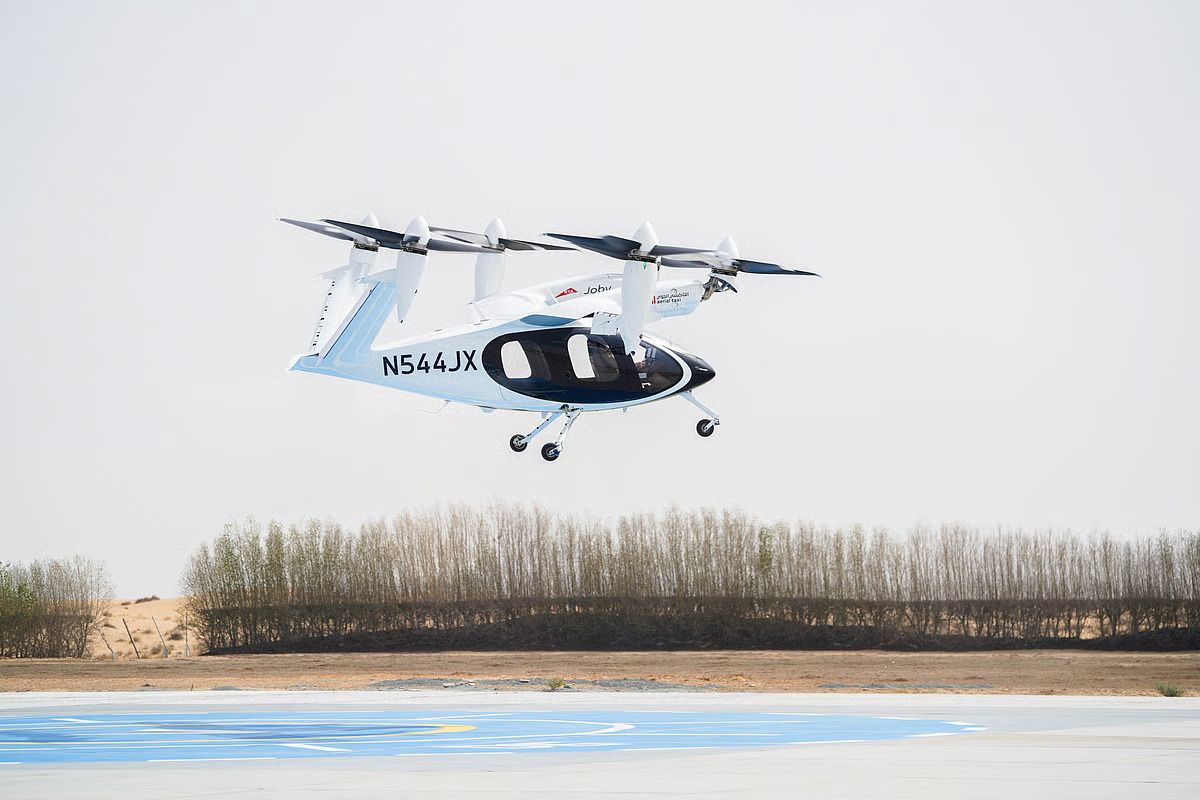
The launch of flying taxis in Dubai is more than a local development, it’s a global statement.
By being first to market, Dubai positions itself as the testing ground for the future of cities. The benefits will extend beyond transport, they will shape business, tourism, and urban design.
Like any groundbreaking technology, flying taxis face questions.
That said, Dubai’s track record of implementing bold projects, from driverless metros to autonomous police patrols, suggests these challenges are likely to be met with determination and efficiency.
With a launch year firmly set, the conversation is no longer if flying taxis will happen, but how fast they will reshape the city. For investors, the next two years represent a critical window:
Dubai’s partnership with Joby Aviation isn’t just about faster commutes. It’s about cementing Dubai’s role as a global pioneer in innovation, sustainability and urban living.
Flying taxis will transform how people experience the city, how real estate markets evolve, and how global investors view opportunities in the region. As 2026 approaches, one thing is clear: Dubai isn’t waiting for the future, it’s building it.
Flying taxis, developed by Joby Aviation, are expected to begin commercial operations in Dubai by 2026. The project has already completed successful test flights, secured an exclusive six-year partnership with the Roads and Transport Authority (RTA), and is backed by planned vertiport infrastructure across the city.
Flying taxis will create new premium property corridors around vertiports. Areas such as Downtown Dubai, Dubai Marina, Palm Jumeirah, and DXB Airport vicinity are expected to see increased property values, higher rental yields, and stronger demand due to unmatched connectivity and reduced travel times.
Key areas to watch include: Downtown Dubai – enhanced luxury appeal for executives. Dubai Marina – higher rental yields for investors. Palm Jumeirah – stronger demand for branded residences. DXB Airport vicinity – new interest from investors seeking strategic positioning.
While the technology is ready, challenges include regulatory frameworks for safety and air traffic control, pricing models (whether exclusive or accessible to wider users) and public trust in reliability. However, given Dubai’s proven success with bold infrastructure projects, these hurdles are expected to be addressed efficiently.
Compare Dubai rental yields and capital appreciation in 2026. Learn how yield, growth and liquidity shape total returns across communities.
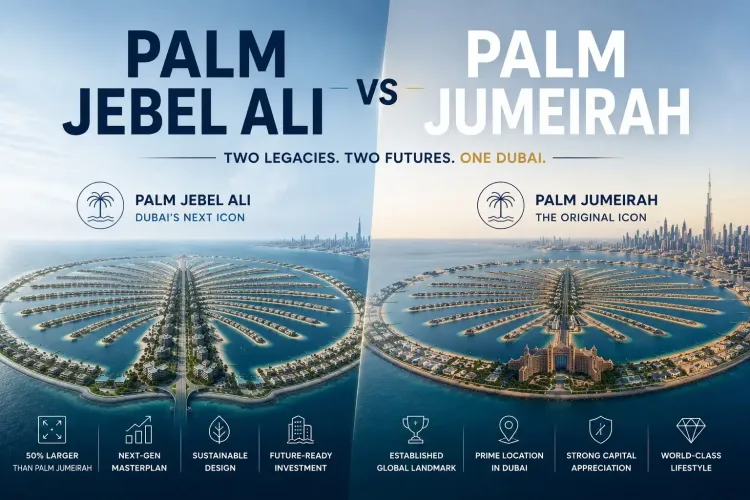
Palm Jebel Ali vs Palm Jumeirah 2026: which is the better buy? Villa pricing from AED 22M, frond ROI, and the trade Dubai's UHNWI buyers are making now.

Arancia The Yards by Beyond launches in City of Arabia from AED 1.1M, with a 40/60 plan and Q1 2029 handover. Explore prices and investment potential.