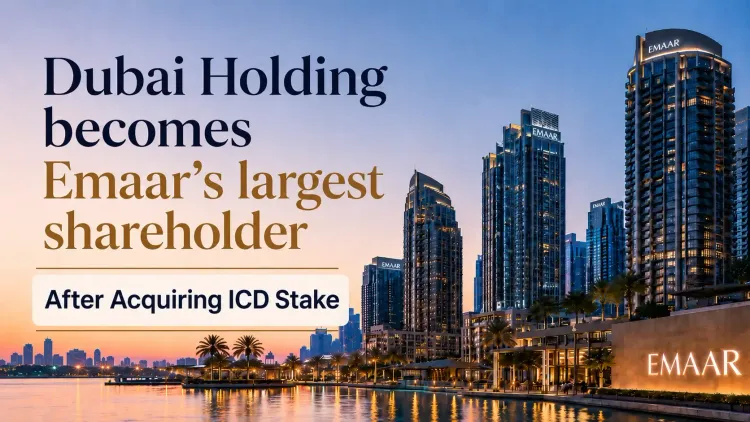
Dubai Holding Becomes Emaar's Largest Shareholder
Discover the latest insights and trends in the real estate market.
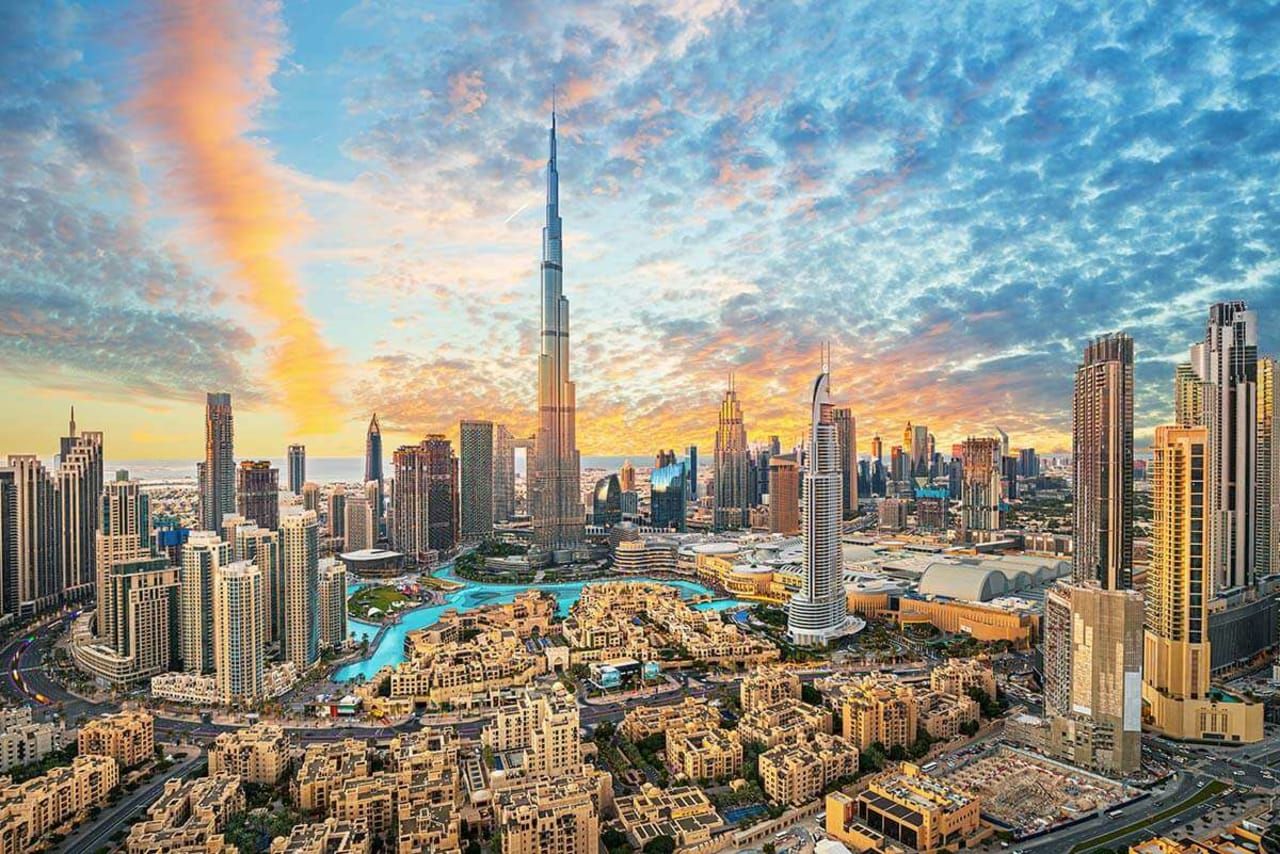
This year, Dubai’s population has reached 3 million. The city’s population has seen tremendous growth since the 1950s, when it was just 20,000.

After 1950, people began moving to Dubai to expand their trading businesses in the Middle East. Areas like Deira and Bur Dubai provided bustling markets. During the 1950s and 1960s, the population growth rate was 5% annually.
From 1970 to 1980, the growth rate jumped to 15% annually. By the end of the 1980s, Dubai’s population reached 500,000, growing at almost 7% per year.
At the start of the 2000s, Dubai’s population was nearly 1 million, showing no signs of slowing down. For almost 20 years, until 2018, the growth rate was 6-7% annually, until the COVID-19 pandemic hit.
After COVID-19, the growth rate dipped but did not stop. Dubai’s stable conditions continued to attract people. Wealthy businessmen from Ukraine and Russia chose Dubai as their second home due to its neutral stance on the war. People from India, Pakistan, Bangladesh, and Sri Lanka also continued to invest in Dubai for its better and safer living standards. Additionally, Dubai’s 0% income tax policy attracted many people from high-tax countries in Europe and the USA.
In early 2023, demand for property in Dubai hit a record high. In February alone, there were 8,515 residential transactions, a 43.9% increase from the previous year. January and February saw a total of 17,741 residential transactions.
In 2004, Dubai started constructing downtown Dubai, including the world’s tallest skyscraper and the world’s biggest mall. This development shifted global perception, starting tourism and changing Dubai’s real estate market forever by introducing the concept of freehold, allowing non-UAE residents to purchase property.
The real estate market saw significant ups and downs, especially during the Q2 2008 boom when oil prices peaked at $145 per barrel. In 2009, oil prices crashed to $32 per barrel, leading to a global financial crisis. Dubai’s real estate sector was also affected, with property prices dropping significantly.
By Q1 2010, the market started to recover, with a 63% increase in average apartment sales prices and a 16.6% increase in average villa sales. The market remained stable, with developers launching multiple off-plan projects over the years.
In 2020, Dubai’s real estate sector and other non-oil economic drivers were hit hard by the pandemic. However, the industry recovered quickly due to strategic measures and financial support from local and federal governments. The UAE Central Bank initiated a US$70 billion stimulus package to support the economy.
After the pandemic, Dubai introduced several visa initiatives and programs, enhancing its reputation as a leading business and leisure destination. Changes in company ownership legislation also opened new doors for real estate investment. As a result, residential real estate prices started rising between Q2 and Q3 2021.
Expo 2020 Dubai was a significant event for the real estate market. Despite a 12-month delay due to the pandemic, it attracted over 24 million visitors. The event boosted demand for short-term residential units and increased property investment inquiries.
Dubai Real Estate market saw exceptional performance in 2021, breaking previous transactional value records. The number of mortgage transactions also increased significantly, largely due to low interest rates.
Since the 1950s, Dubai’s population has grown significantly from just 20,000 to 3 million in 2023.
From 1970 to 1980, Dubai’s population growth rate increased to 15% annually.
Dubai’s 0% income tax policy attracts many people from countries with high tax rates, such as Europe and the USA.
Discover the latest insights and trends in the real estate market.
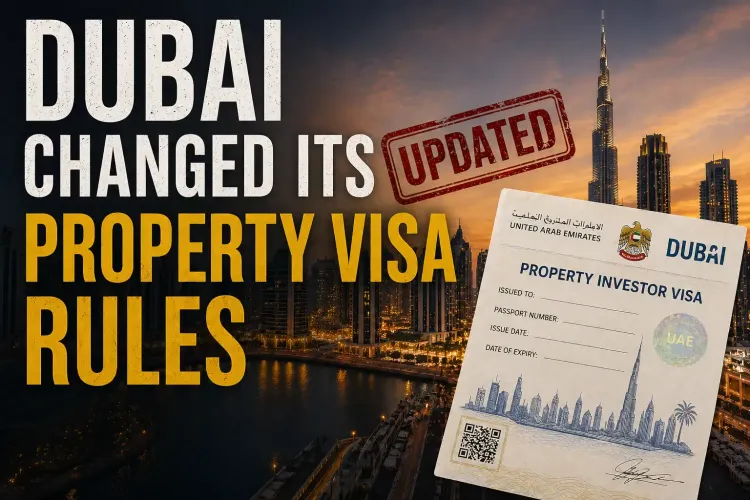
Discover the latest insights and trends in the real estate market.
Discover the latest insights and trends in the real estate market.