

How Indian Developers and Institutional Investors Can Enter Dubai's Land Market in 2026
Indian developers and institutional investors ready to enter Dubai's land market in 2026, Explore freehold plot zones, entry structures and legal frameworks.
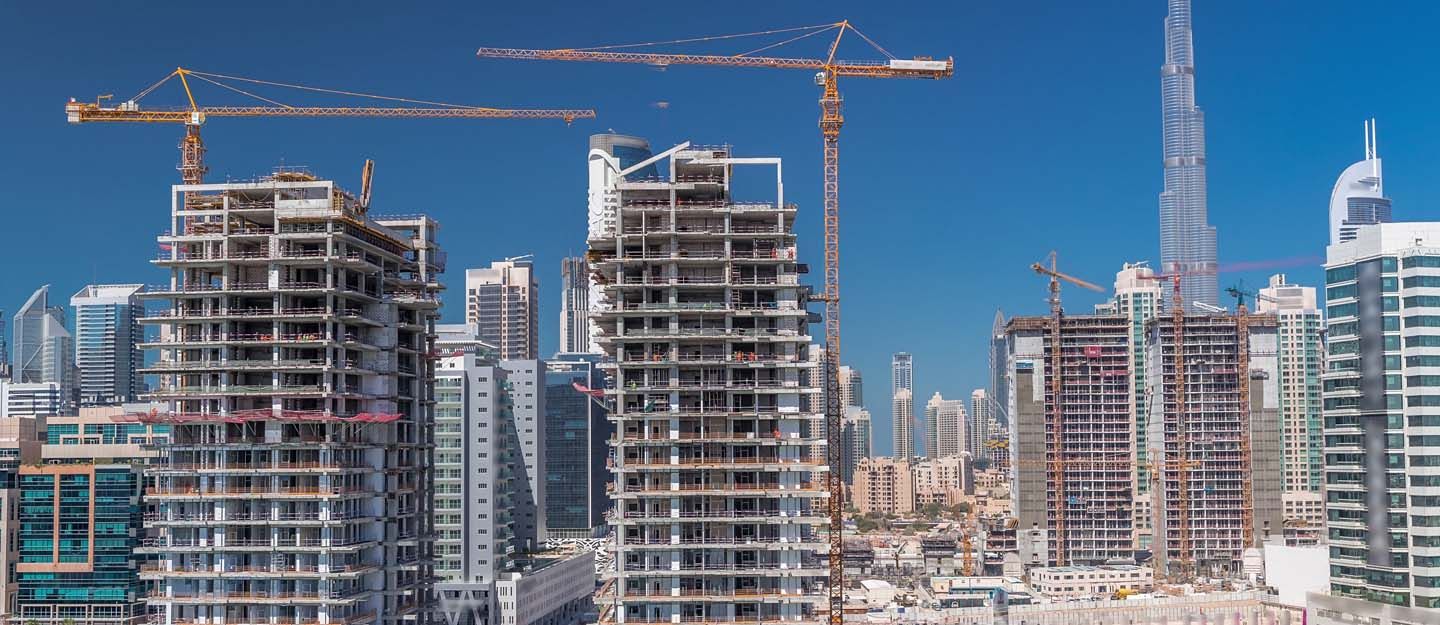
In the dynamic landscape of Dubai's real estate market, potential buyers and investors often grapple with a fundamental decision: whether to purchase off-plan properties, opt for ready-to-move-in options in the secondary market, or simply rent. With recent data indicating robust growth, particularly in luxury and mid-market segments, understanding the nuances of these choices is essential for making informed decisions. This blog explores the current trends, weighs the advantages and drawbacks, and offers practical guidance based on expert insights.
Dubai's real estate sector continues to demonstrate remarkable resilience and growth. In the second quarter of 2025, luxury villas experienced nearly 10% annual price gains, reflecting sustained demand from high-net-worth individuals. Meanwhile, mid-market and suburban areas, such as Jumeirah Village Circle and Dubai South, have seen asking prices rise by over 20% year-on-year. This surge underscores the city's appeal as a global hub for investment, driven by factors like economic diversification, infrastructure development, and a favorable regulatory environment.
The off-plan segment dominates the market, attracting both end-users and investors with its promise of future appreciation. Developers are fueling this interest through competitive incentives, making off-plan purchases more accessible than ever. However, this vibrant market also prompts questions about timing and strategy, especially when compared to renting or buying in the secondary market.
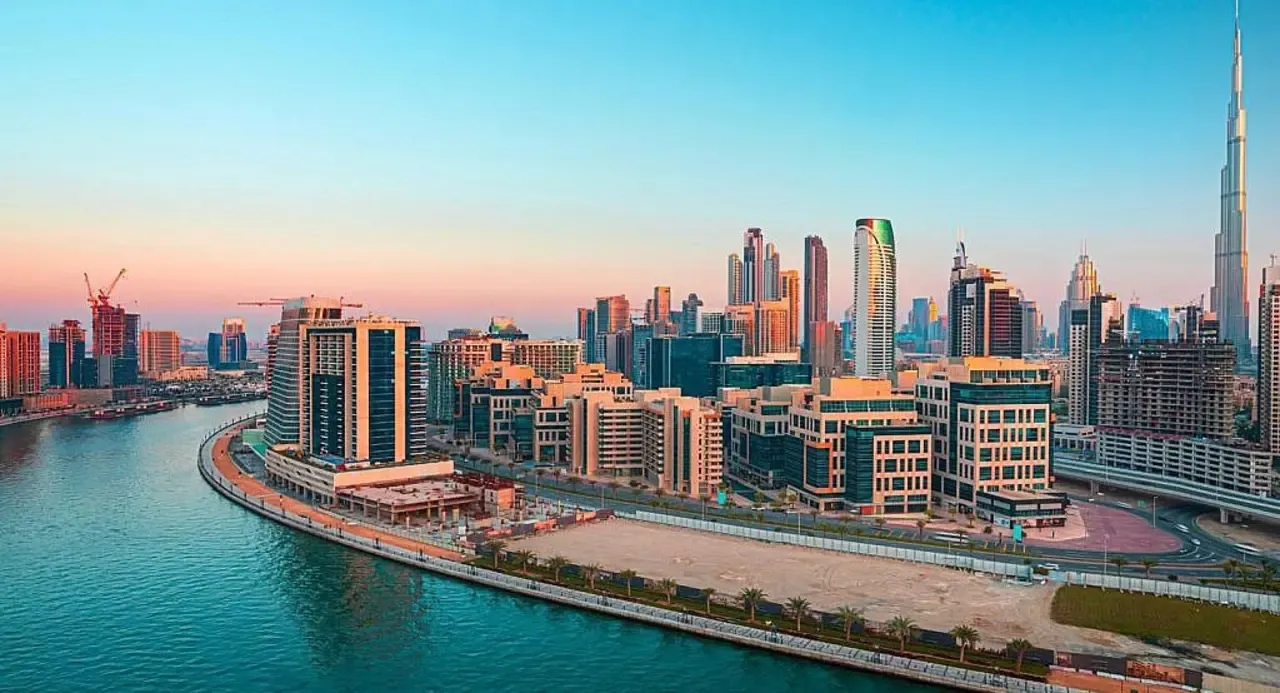
For those committed to long-term ownership or investment, buying off-plan emerges as a compelling option. Off-plan properties allow buyers to secure assets at today's prices while benefiting from potential future growth. A typical process involves a modest down payment of 5% to 10% at reservation, followed by milestone payments aligned with construction progress. Developers often sweeten the deal by absorbing the 4% Dubai Land Department transfer fees and offering post-handover payment plans that defer 40% to 60% of the purchase price.
This structure not only eases cash flow management but also serves as a hedge against fluctuating interest rates. In a market where end-user demand remains strong, off-plan investments can yield significant capital appreciation. Experts highlight that the gap between off-plan and resale prices narrows quickly as projects near completion, with secondary market discounts rarely exceeding 3% to 5% below initial launch rates.
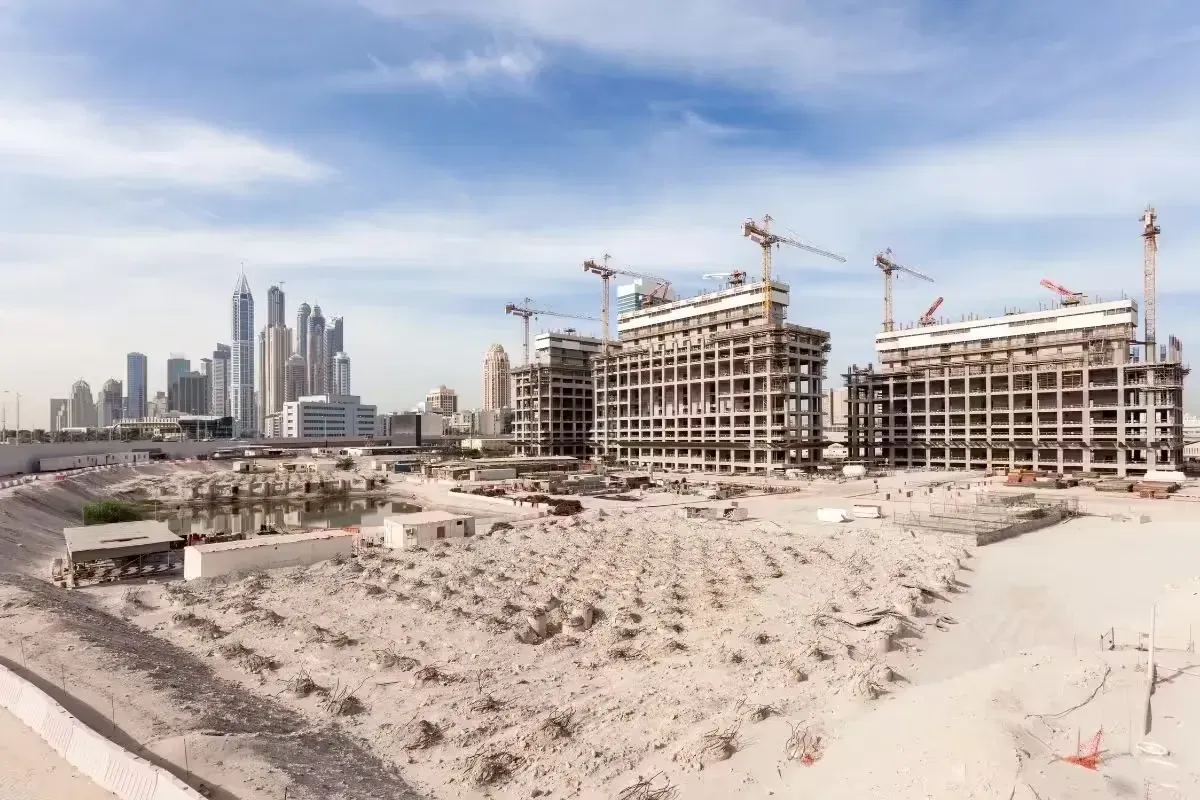
Each approach to engaging with Dubai's property market carries distinct benefits and risks, tailored to different buyer profiles.
Pros: Flexible payment plans, developer incentives, and the opportunity to lock in growth at current valuations. It's particularly advantageous for investors seeking maximum returns and those who can afford to wait for completion.
Cons: Potential delays in delivery pose a risk, though this can be mitigated by selecting escrow-backed projects in established, master-planned communities with documented completion guarantees.
Pros: Immediate occupancy enables prompt rental income or personal use, avoiding the uncertainties of construction timelines. Buyers might secure modest discounts if timing aligns with motivated sellers.
Cons: Bargains are scarce, and negotiations can be challenging due to sellers' emotional attachments and inflated expectations. Prices tend to rise as handover approaches, diminishing value compared to off-plan options.

Pros: Offers flexibility without long-term commitment, ideal for short-term residents or those testing the market. It avoids upfront capital outlay and maintenance responsibilities.
Cons: In a rising market, rental yields may not keep pace with property appreciation, potentially leading to missed investment opportunities. With sales dominating discussions, renting appears less favorable for wealth-building compared to ownership, especially given the current investor appetite for off-plan assets.
Ultimately, off-plan buying suits long-term strategies, while the secondary market appeals to those needing immediacy. Renting, though practical for transients, may not align with the market's upward trajectory for those eyeing financial growth.
In my view, the present moment represents an opportune time to enter Dubai's property market, with no indications of a slowdown on the horizon. I emphasize off-plan purchases for their superior value in terms of capital gains and cash flow efficiency. To navigate this effectively, prospective buyers should prioritize projects in blue-chip communities with strong pre-sales records and robust safeguards.
For renters contemplating a shift to ownership, assessing personal timelines and financial readiness is crucial. Consulting with reputable real estate advisors can provide tailored advice, ensuring decisions align with individual goals. As the market evolves, staying informed through reliable sources remains key to capitalizing on Dubai's enduring allure.
Yes. With luxury prices up 10% and mid-market areas over 20% year-on-year, plus strong infrastructure growth and developer incentives, 2025 is an ideal time to secure off-plan units at current rates.
You can lock in today’s prices, enjoy flexible payment plans, waived fees, and high appreciation potential as the project nears completion.
Off-plan offers better growth and payment terms, while the secondary market gives immediate occupancy. In today’s market, secondary discounts are minimal, making off-plan more attractive for returns.
Mainly construction delays or market changes. Reduce risk by choosing reputable, escrow-backed projects in established communities.
Indian developers and institutional investors ready to enter Dubai's land market in 2026, Explore freehold plot zones, entry structures and legal frameworks.

Dubai real estate pipeline data through 2030, understand where supply is concentrated and what it means for your investment strategy.

Downtown Dubai vs Dubai Hills Estate in 2026, the capital appreciation data, buyer pool shifts and why one community now wins for first time buyers.