
Real Estate vs Stocks: Where Does Money Actually Grow in Dubai?
Discover the latest insights and trends in the real estate market.
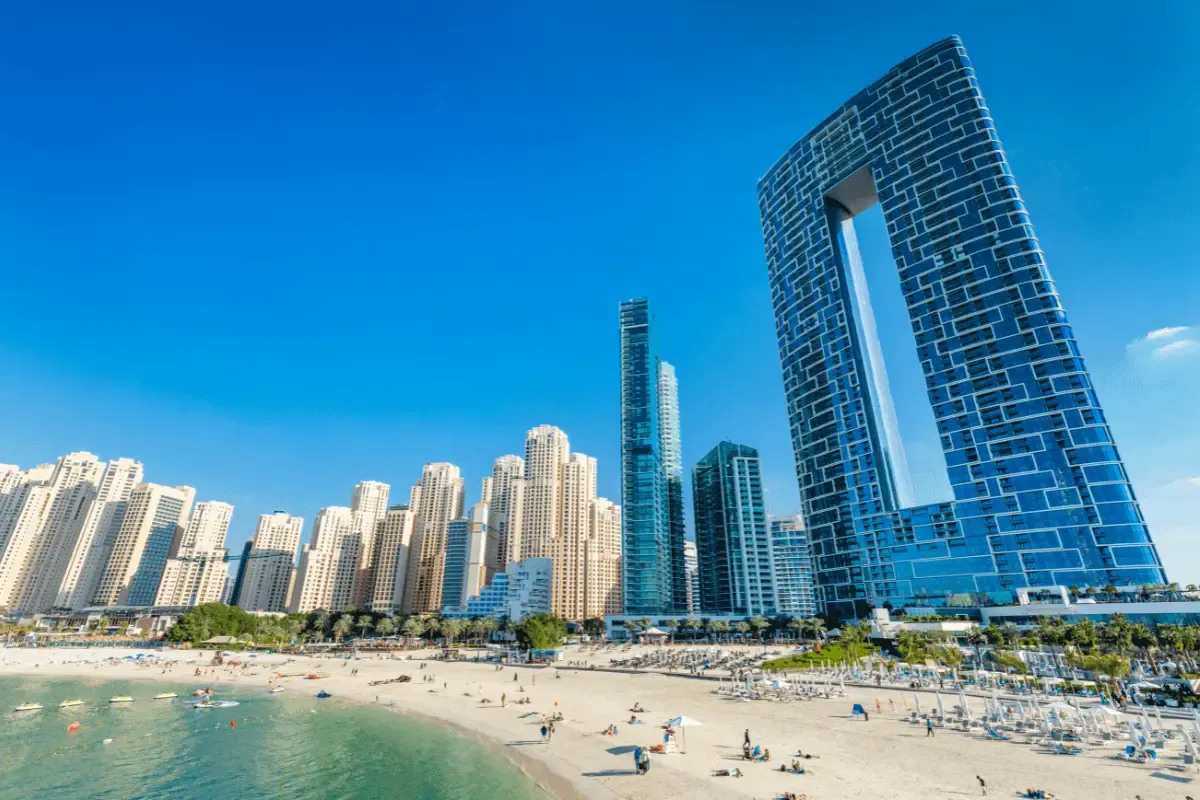
Many Indians who are exploring global relocation are now choosing Dubai due to its tax structure, lifestyle advantages, and investor-friendly pathways. The interest in this destination is increasing mainly among high-net-worth individuals, senior professionals, and business families, who are looking for stability, safety, and long-term value. Yet the process requires clarity. From identifying the right property to buy in Dubai to visa rules, compliance, and relocation planning, every step must be structured.
This guide provides a clear and practical framework to help Indian investors understand how to invest and relocate in a legally compliant and organised manner.
Dubai is still a magnet for global investors on account of the city's economic stability, strong regulations, and the continuous demand for real estate. The city offers lifestyle benefits, clean governance, and a strategic location between Europe and Asia.
Many families exploring luxury houses for sale in Dubai prefer locations such as the Palm Jumeirah, Downtown Dubai, Dubai Marina, and Emirates Hills, due to their long-term appreciation and premium living standards. Let’s look deeper into the underlying drivers:
In 2024, Dubai’s population reached approximately 5.13 million residents, up from around 4.869 million in 2023. The rise made demand for housing more stable, and thus the price of the real estate market in mature communities has been kept at levels of recent years. As a result, areas offering luxury homes for sale in Dubai remain in demand because they meet both lifestyle and investment criteria.
The real estate market in Dubai had a good year in 2024 with the total value of transactions at AED 761 billion and 2.78 million procedures (transactions and rental agreements formed, 17 % more than the previous year), the Dubai Land Department has reported.
The prices for residential properties have gone up by 11.62 % on an annual basis in 2024, while there was a 13.19 % increase for commercial properties. These types of numbers demonstratively point to a real demand that is visible in market performance rather than the promotional claims.
Dubai’s governance of its property market, including freehold ownership in designated zones and transparent transaction registration, helps reassure investors. With the emirate’s economy diversifying rapidly away from oil dependence, and real estate contributing significantly to GDP, the investment environment remains credible and well-regulated.
Dubai’s position between East and West gives it a distinctive attraction. For buyers looking at property to buy in Dubai, factors such as world-class infrastructure, year-round sunshine, global connectivity, international schools and luxury neighbourhoods all contribute. Premium districts, such as the Palm Jumeirah, Dubai Marina, Emirates Hills and Downtown Dubai offer both high-end living and strong resale potential.
Indians are legally allowed to invest in Dubai and own property in freehold zones. There is no residency requirement to purchase. You may own as an individual, NRI, corporate entity, or family foundation, depending on asset type and future planning objectives. Indian regulations allow foreign investments under the Liberalized Remittance Scheme. Investors must comply with RBI provisions and limit outward remittance as instructed under the scheme.
Dubai has freehold areas where foreign nationals can own property outright. Whether you are exploring a first home, a rental asset, or intend to buy luxury home in Dubai, ownership rights are secure and supported under well-established legal frameworks.
Ownership is available for:
Properties purchased must be registered through the Dubai Land Department to ensure protection and legal clarity.
Selecting the correct asset depends on your goals. The market offers a wide range of options, from compact units to expansive mansions. Platforms similar to a Dubai property finder help shortlist available listings, although advisory support ensures the property’s long term relevance.
Investors typically consider:
Those seeking luxury homes for sale in Dubai often prioritise privacy, branded fittings, and exclusive post-handover management.
Opening a local bank account is straightforward for property owners and expatriates. Funds transferred for real estate must follow compliance with Indian remittance regulations and UAE banking protocols.
Documents required may include:
Transaction receipts, bank transfer trails, and registration documents are essential for compliance in both jurisdictions.
Several visa categories are available for property owners. Investment value, developer credentials, and property status determine eligibility.
Available residency options include:
Investors considering luxury houses for sale in Dubai often qualify for longer visa terms due to property value thresholds.
Yes, freehold ownership provides complete legal rights for foreign nationals.
Yes, depending on value and criteria, property investors qualify for residency visas.
Not always. Remote buying is available with the power of attorney, although document attestation is required.
Typically, property registration at the Dubai Land Department takes a few days once all documentation is verified. This ensures that your property to buy in Dubai is legally secure and ownership rights are fully transferred.
Beyond the property price, buyers should budget for registration fees, agent commissions, service charges, and potential renovation costs when planning to buy a luxury home in Dubai.
Discover the latest insights and trends in the real estate market.
Discover the latest insights and trends in the real estate market.

Discover the latest insights and trends in the real estate market.