
Real Estate vs Stocks: Where Does Money Actually Grow in Dubai?
Discover the latest insights and trends in the real estate market.
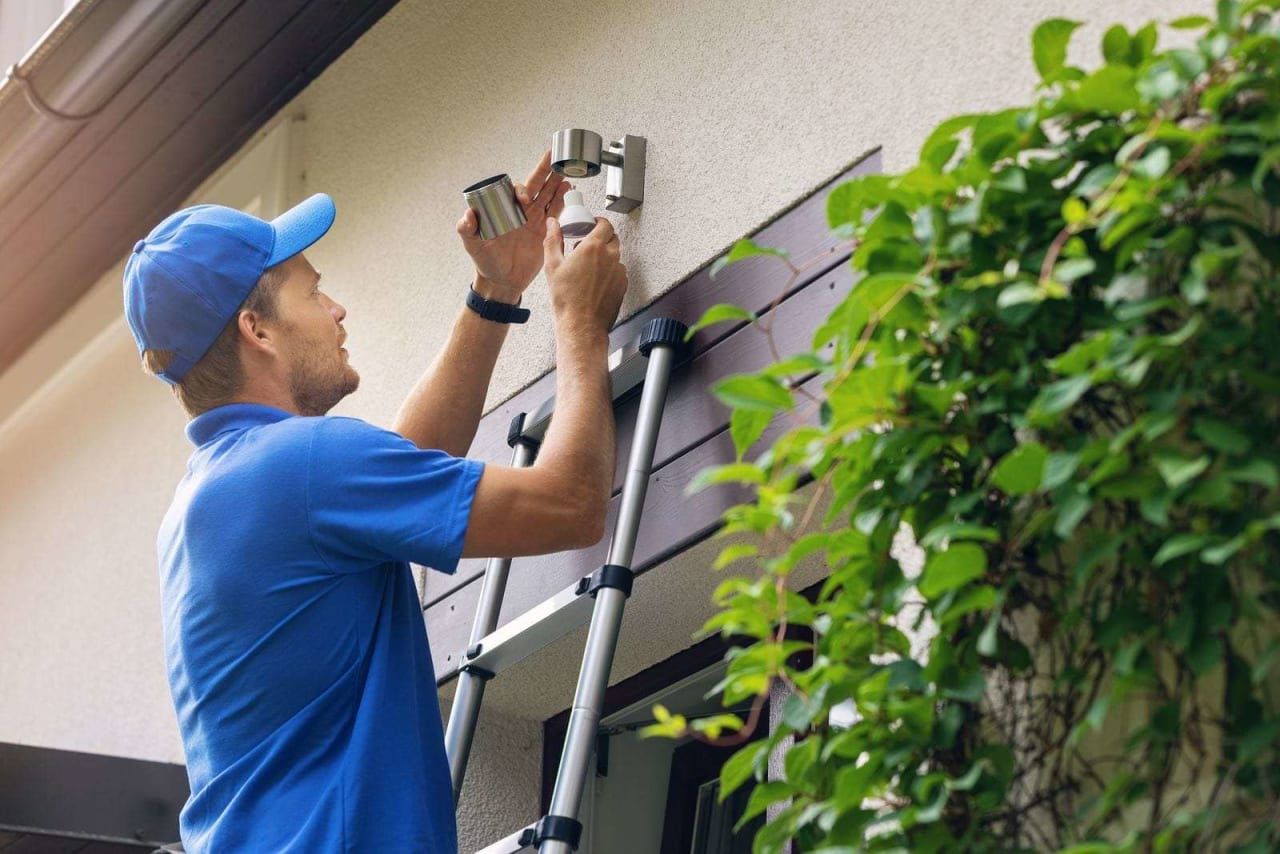
Begin with a well-written rental agreement that clearly states the expectations you have of the tenants and what the tenants can expect from you. For the most part, tenants will handle small fixes and general day-to-day maintenance; plumbing, heating, and electrical wiring are yours to manage.
Take a snapshot or video of the property status before you move in a new tenant. An extensive move in and out checklist will be useful to prevent any misunderstandings.
A preventive maintenance schedule is helpful in identifying unwelcome issues before they become the cause of expensive ones. Encourage tenants to report problems that may rise without delay. Consider inspections seasonally and regular checking throughout the year.
Keep landscaping design simple to give the property an organized appearance. While there could be more upfront costs, in the long run, hiring a landscaper could save you time and money.
Paint, flooring, appliances, and hardware should be the same in your properties. This means managing the maintenance will be pretty uniform, saving you time and money.
Keep receipts for your expenses and time spent on maintenance work, as some costs may be deductible. Check with a tax professional for advice on this.
Clean and check for pests before listing the property. New tenants deserve a clean house with fresh paint and durable, low-maintenance flooring. Consider improving security by changing the locks.
Invest in automated safety features like motion-activated lights and programmable thermostats to increase safety and minimize maintenance.
Even if you’re handy, some repairs, especially those involving electricity or plumbing, should be left to professionals. Always know where to locate major utility shut-offs.
Keep an emergency fund for quick repairs. Quick responses to emergencies build tenant confidence and ensure smooth operations in property management.
As a landlord, your primary responsibilities include maintaining the property, ensuring it is safe and habitable, handling major repairs such as plumbing, heating, and electrical issues, and setting emergency protocols for tenants.
A rental agreement should clearly outline tenant responsibilities and landlord obligations, including maintenance tasks, emergency procedures, and what constitutes regular wear and tear versus damage.
Being prepared for unexpected circumstances ensures you can handle issues promptly, maintain tenant satisfaction and manage your property efficiently, ultimately leading to long-term success.
Discover the latest insights and trends in the real estate market.

Discover the latest insights and trends in the real estate market.

Discover the latest insights and trends in the real estate market.