
Table of Contents
Local Market Knowledge
In Dubai, keep an eye on specific neighborhoods and their development projects, as the city continues to expand.
Economic Indicators
Dubai’s economy is growing, with various job opportunities in sectors like tourism, technology, and finance, making it a promising market.
Inventory Levels
The supply of properties in Dubai is increasing due to ongoing construction projects, potentially stabilizing or lowering prices.
Price Trends
After a period of adjustment, Dubai’s real estate market is showing signs of stabilization, making it an interesting time for buyers or investors.
Rental Market
The rental market in Dubai is diverse, with fluctuations in demand and prices. Keep an eye on vacancy rates and average rents to make informed decisions.
Demographics and Population Growth
Dubai’s multicultural population continues to grow, which can positively affect property demand.
Zoning and Regulations
Dubai’s government often introduces new regulations and incentives to stimulate the real estate market, so staying informed about these changes is crucial.
Interest Rates
In Dubai, as in many other places, interest rates can impact the affordability of property purchases. Monitor how local central bank policies affect mortgage rates.
Market Timing
While Dubai’s real estate market is dynamic, it’s essential to consider the right timing to buy, especially when prices align with your budget and goals.
Real Estate Professionals
Rely on experienced real estate professionals in Dubai to guide you through the market’s unique aspects and help you make informed decisions.
Conclusion
Understanding and evaluating Dubai’s real estate market trends involves paying attention to local economic factors, government policies, and the dynamic nature of the city. Dubai’s real estate market offers opportunities, but it’s important to stay informed and work with local experts to make sound investment or buying decisions.
Thinking about your next Dubai property?
Talk to an XRealty specialist — market guidance, shortlists, and honest advice, no obligation.
Frequently Asked Questions
As a landlord, your primary responsibilities include maintaining the property, ensuring it is safe and habitable, handling major repairs such as plumbing, heating and electrical issues and setting emergency protocols for tenants.
A rental agreement should clearly outline tenant responsibilities and landlord obligations, including maintenance tasks, emergency procedures and what constitutes regular wear and tear versus damage.
Being prepared for unexpected circumstances ensures you can handle issues promptly, maintain tenant satisfaction and manage your property efficiently, ultimately leading to long-term success.
Related Articles
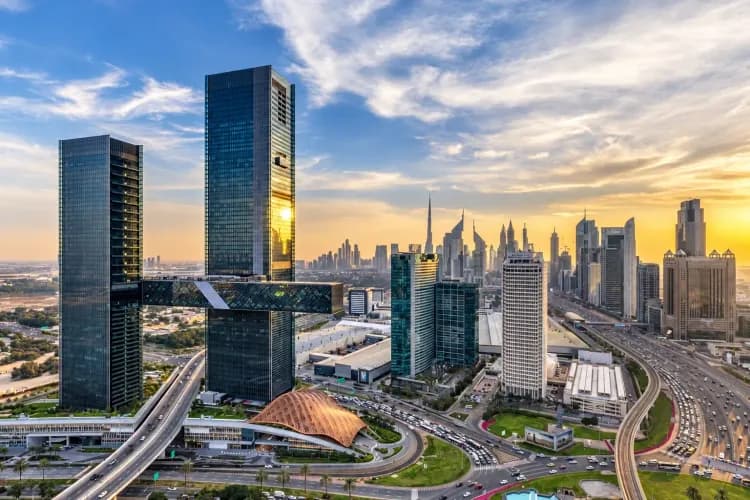 NRI Investment
The Real Reason Indian Investors Never Stopped Buying Dubai Real Estate
Discover why Indian investors continue to choose Dubai real estate, from tax efficiency and rental yields to currency stability, residency benefits and long term growth.
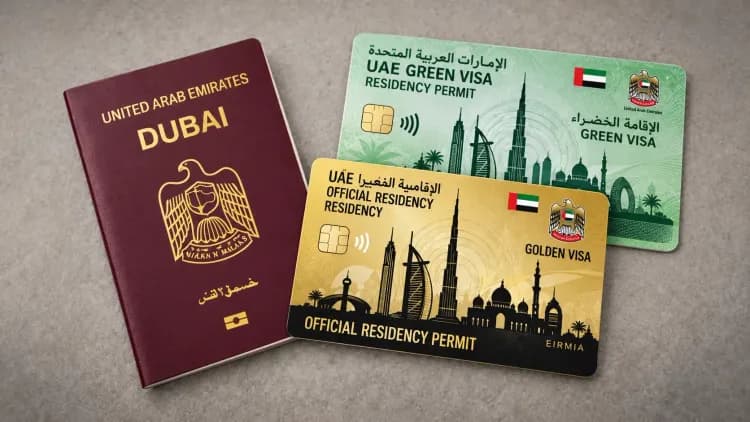 Invest In Dubai
Green Visa vs Golden Visa in the UAE: A Simple Comparison for Investors
Compare the UAE Green Visa and Golden Visa for investors, including eligibility, benefits, residency options and key differences to understand which route may suit your plans.
 Legal Process